GLP-1 Hair Thinning, Explained
If you've started noticing more hair than usual in the shower drain or on your pillow since starting a GLP-1 medication like Ozempic, Wegovy or Mounjaro, you're not imagining it, and you're far from alone. It's become one of the most common things clients bring up at the basin this year, usually half apologetically, as if it's a strange thing to ask a hairdresser about. It isn't. Here's what we're actually seeing in the chair, and what helps.
Why Weight-Loss Medications Can Trigger Shedding
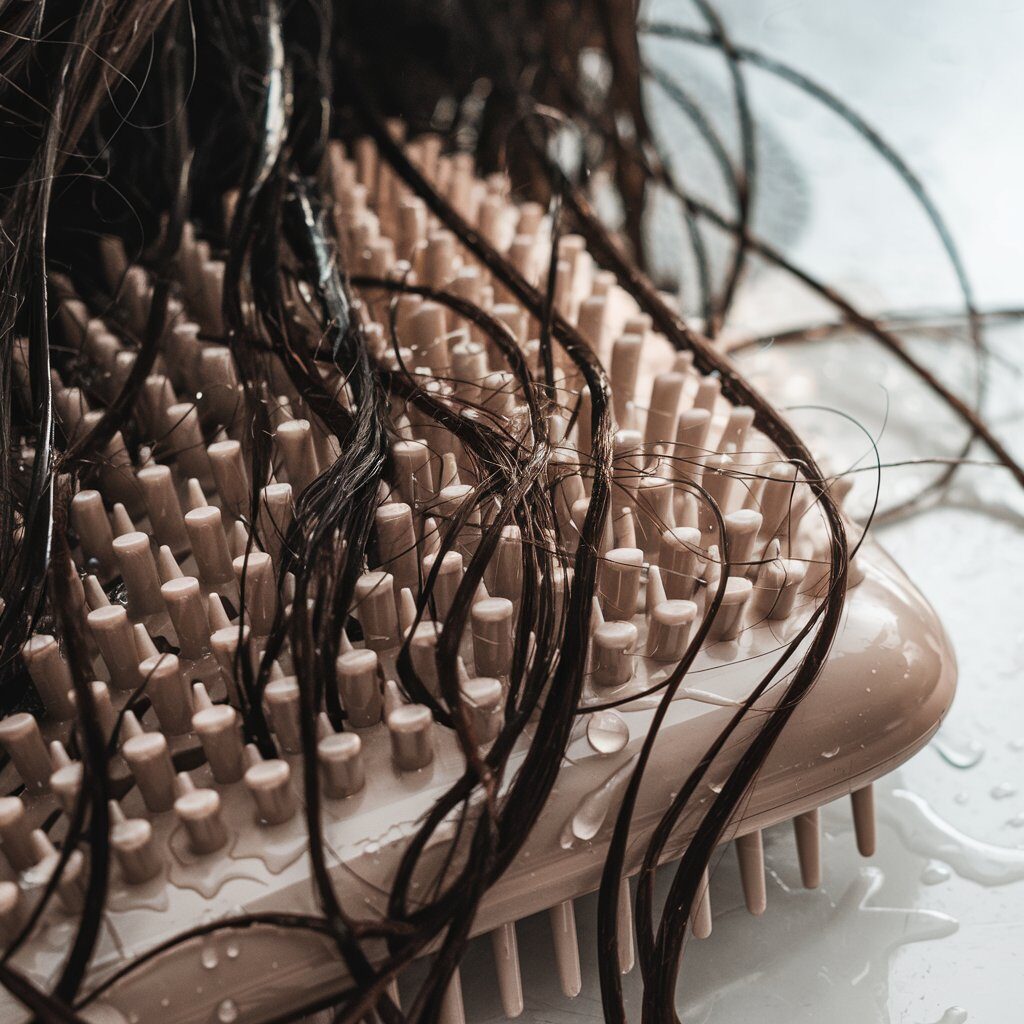
Rapid weight loss, whatever causes it, is a physical stress on the body, and hair follicles are surprisingly sensitive to stress. When the body is under strain, from calorie restriction, from a fast drop in weight, or from the metabolic shift these medications bring on, a chunk of hairs that would normally be in their growing phase get pushed early into the shedding phase. That's a condition called telogen effluvium, and it's the same mechanism behind post-illness shedding, crash dieting, or the hair loss some people notice after a stressful year. It isn't unique to GLP-1s, but the speed and scale of weight loss on these medications seems to be bringing it on for more people, more noticeably, than we've seen before.
The good news buried in that explanation: telogen effluvium is usually temporary. The follicle itself isn't damaged, it's just been told to rest early. Most people see shedding peak around three to six months after a major trigger, then gradually taper off as new growth comes through.
Is It the Drug, or Something Else?
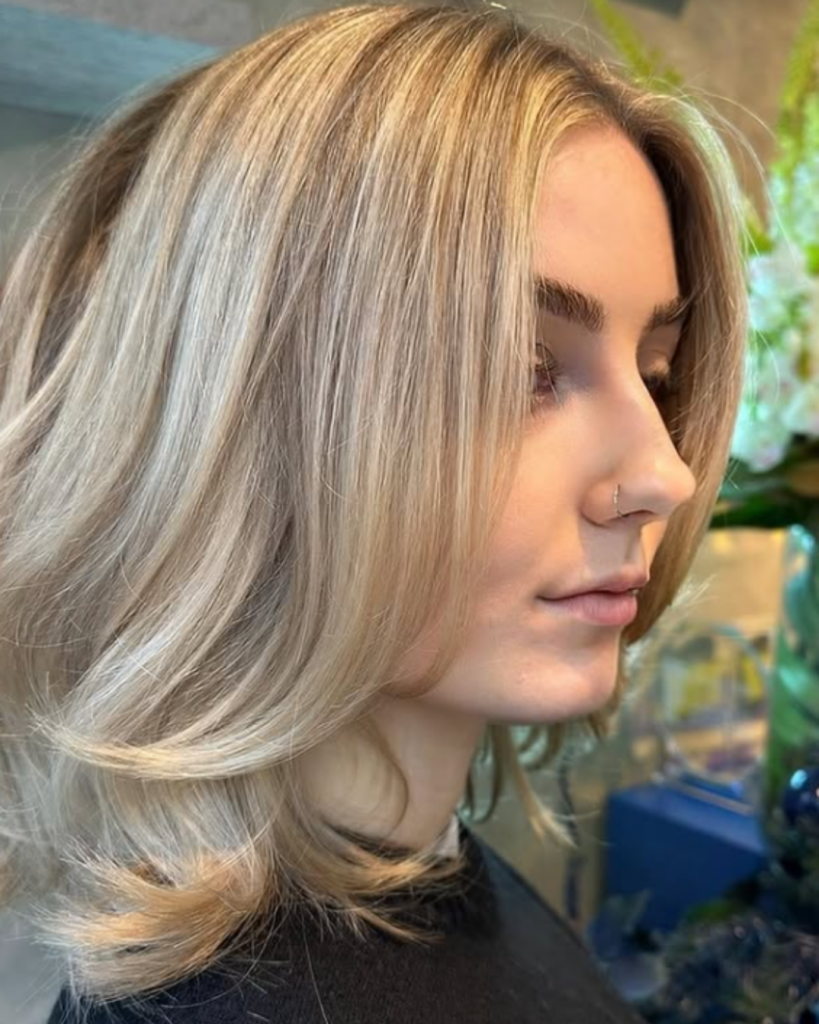
Before you pin it entirely on the medication, it's worth ruling out the other usual suspects, because they're common enough to overlap. Iron and vitamin D levels often dip when appetite and food intake change significantly, and low levels of either can independently cause shedding. Thyroid function is another one worth checking with your GP if the thinning feels more widespread than a normal shed. If you've also cut back on protein intake as your appetite has changed, that matters too. Hair is literally built from protein, and a sustained low intake shows up in hair health within a few months.
None of this is about second-guessing your medication or your doctor. It's about giving your stylist (and your GP, if it's more than mild) the full picture so the advice you get actually fits what's going on.
What Helps While You Wait It Out

There's no product that will stop the shed outright, and we'd rather tell you that honestly than sell you something that overpromises. What genuinely helps in the meantime is protecting the hair you have and supporting the follicle while it resets. A gentle, sulphate-free routine reduces unnecessary breakage on strands that are already more fragile. Scalp care matters more than most people expect here, a clean, well-circulated scalp gives new growth the best possible environment to come through in. We've written more on building that into your routine in our guide to scalp care.
A few clients have also asked us about rosemary oil, which had its moment on TikTok as a growth booster. We go into what the evidence actually says, and what it doesn't, in our piece on rosemary oil for hair growth. Short version: it's a reasonable, low-risk addition to a routine, not a miracle fix.
How We Adjust Colour and Cut in the Meantime

This is where a good stylist earns their keep. If your hair feels thinner at the moment, heavy, blunt colour and one-length cuts can make that more obvious, while the right placement does the opposite. Softer, lower-maintenance colour techniques put less processing stress on hair that's already going through a rough patch, which is one reason bond-building treatments have had such a moment this year (we compared the two most talked-about options in K18 vs Olaplex). On the cut side, strategic layering and a slightly softer shape add visual density without needing extra length or volume you don't currently have. None of this fixes the underlying cause, but it makes the in-between months a lot easier to live with.
When to See Your GP Instead of Your Stylist
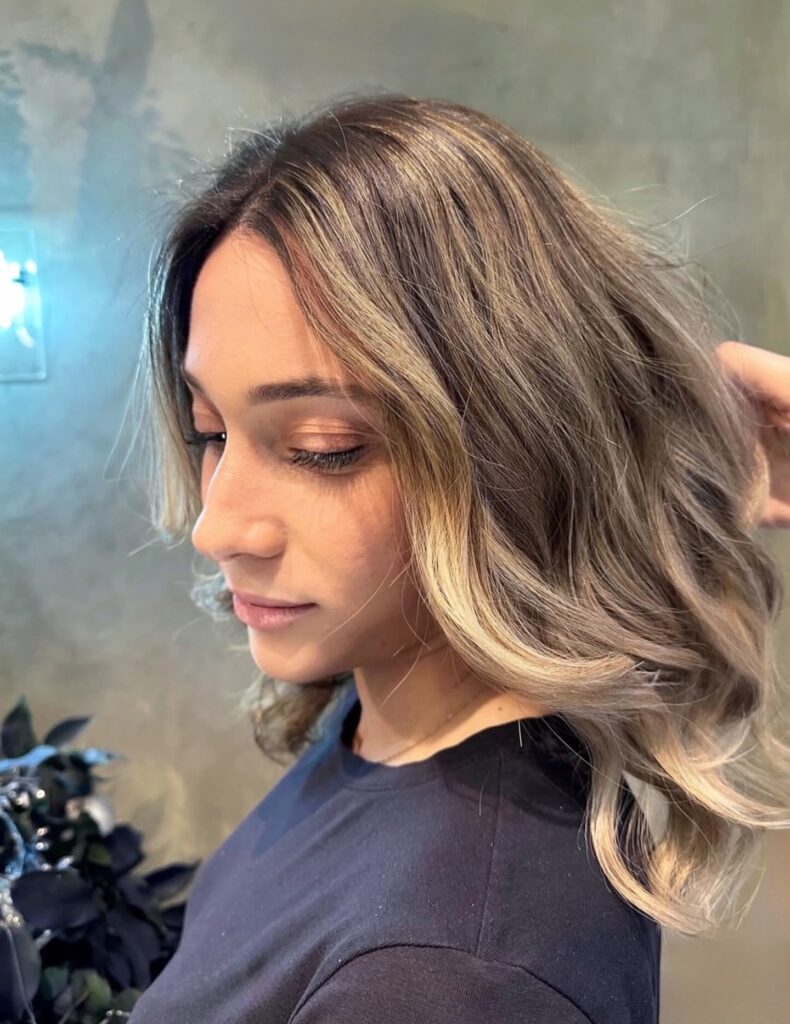
If shedding is severe, if you're seeing bald patches rather than general thinning, or if it hasn't started to ease after six months, that's a conversation for your GP, not your hairdresser. We're always happy to have an honest look at your scalp and hair during a consultation and tell you straightforwardly if what we're seeing looks like ordinary telogen effluvium or something that needs a medical opinion. We'd rather send you the right direction early than have you spend months on products that were never going to fix it.
If you're going through this and want an honest, judgement-free look at what's happening with your hair, and a plan for colour and cut that works with where you are right now, book in with us. Book at Oxford Street | Book at Covent Garden