K18 vs Olaplex: Is K18 Overtaking the Bond-Building Crown?
If you’ve spent any time scrolling through haircare TikTok, reading salon recommendations, or trying to rescue hair after one too many colour appointments, you’ve probably seen the same two names come up again and again: K18 and Olaplex. Both are praised for transforming damaged hair, both claim serious repair credentials, and both have built loyal followings. So the big question is: is K18 really overtaking Olaplex as the reigning bond-building favourite?
The short answer is that it depends on your hair, your routine, and what kind of damage you’re trying to reverse. While K18 has created a wave of excitement thanks to its fast, biotech-led approach, Olaplex is still a major player for good reason. Understanding how they work is the key to choosing the right one.
Why bond repair matters
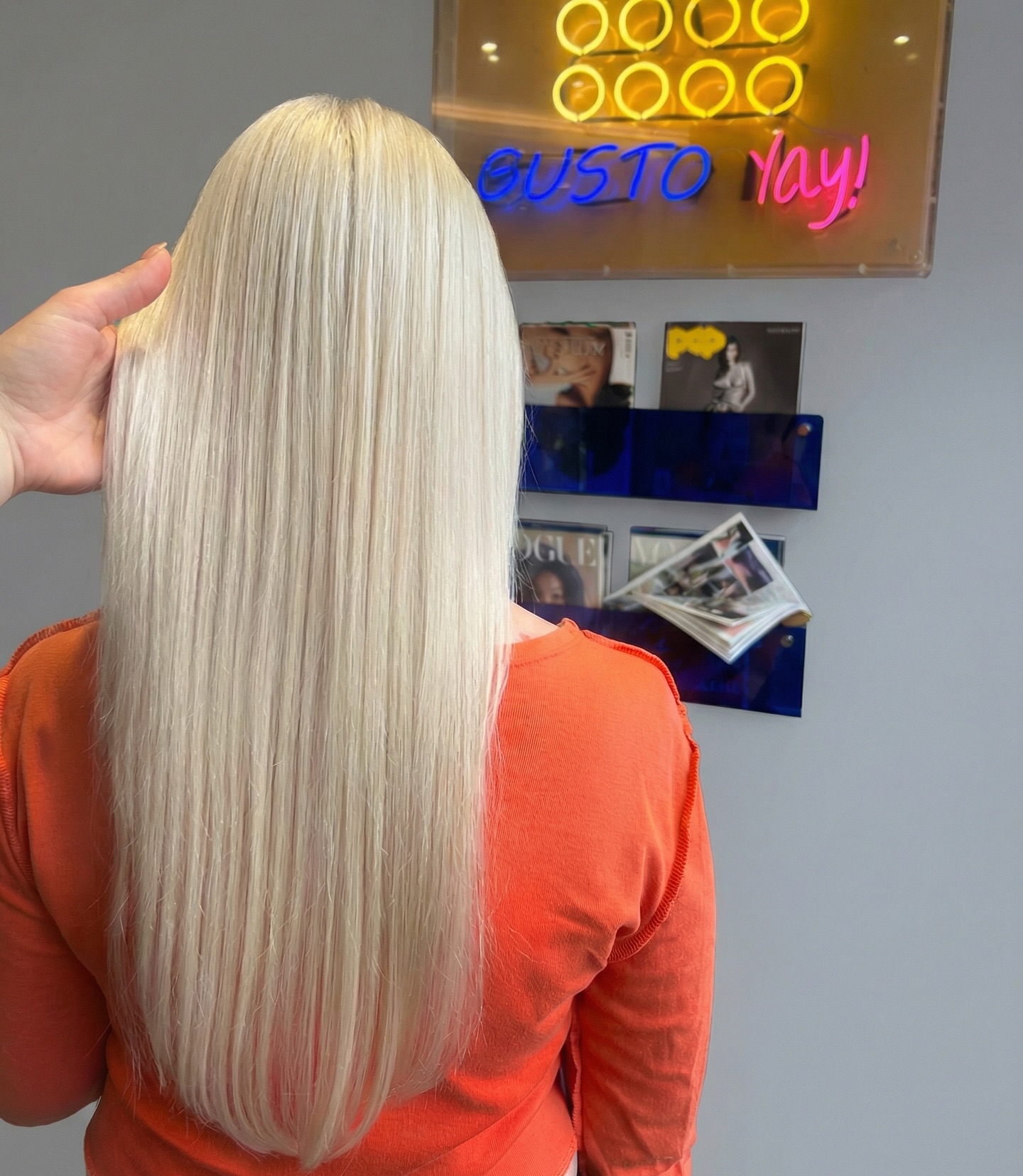
Hair damage goes deeper than a bit of frizz or dry-looking ends. Heat styling, bleaching, colouring, UV exposure, tight hairstyles and even daily brushing can weaken the internal structure of the hair fibre. Once those internal bonds are compromised, hair becomes more prone to breakage, rough texture, dullness and split ends.
That’s where bond-building treatments entered the conversation. Rather than simply coating the hair to make it feel softer temporarily, these formulas aim to support the internal structure of the hair itself. That shift has changed the way many people think about hair repair, moving from surface-level conditioning to more targeted treatment.
What Olaplex actually does

Olaplex built its reputation on bond repair long before the category became a beauty buzzword. Its core technology is designed to reconnect broken disulphide bonds in the hair, which are often damaged during chemical services such as bleaching and colouring.
This is why Olaplex became such a salon staple. It could be used during lightening services to help reduce damage while still achieving dramatic colour results. Over time, the brand expanded into at-home products, making bond maintenance part of regular haircare routines rather than something reserved for the salon chair.
Olaplex tends to work particularly well for bleached or heavily highlighted hair, hair that has been repeatedly coloured, fragile strands with noticeable breakage, and anyone looking for a structured repair system with multiple product options. One of its real strengths is that it offers a full wardrobe of products, from shampoos and masks to leave-ins and oils. For clients who like a complete routine, that can be a big plus.
What makes K18 different

K18 has taken a slightly different route, and that’s a major reason for its rapid rise. Instead of focusing only on traditional bond-building language, K18 centres its technology around a patented peptide designed to target damage at a molecular level. In simple terms, it aims to reconnect the chains that give hair its strength and elasticity.
The biggest talking point is speed. K18’s leave-in mask is marketed as delivering visible results in just four minutes, which is a major appeal in a world where people want performance without a complicated routine. It has also become especially popular among clients who want their hair to feel softer, stronger and more manageable without layering on multiple products.
K18 tends to appeal most to busy people who want a low-effort repair routine, hair that feels stretchy, weak or mushy after bleach damage, and those who want lightweight repair without heaviness. Its minimalist approach feels modern, and that matters. Today’s haircare shoppers are often looking for fewer but smarter products, and K18 fits neatly into that shift.
So, is K18 overtaking Olaplex?
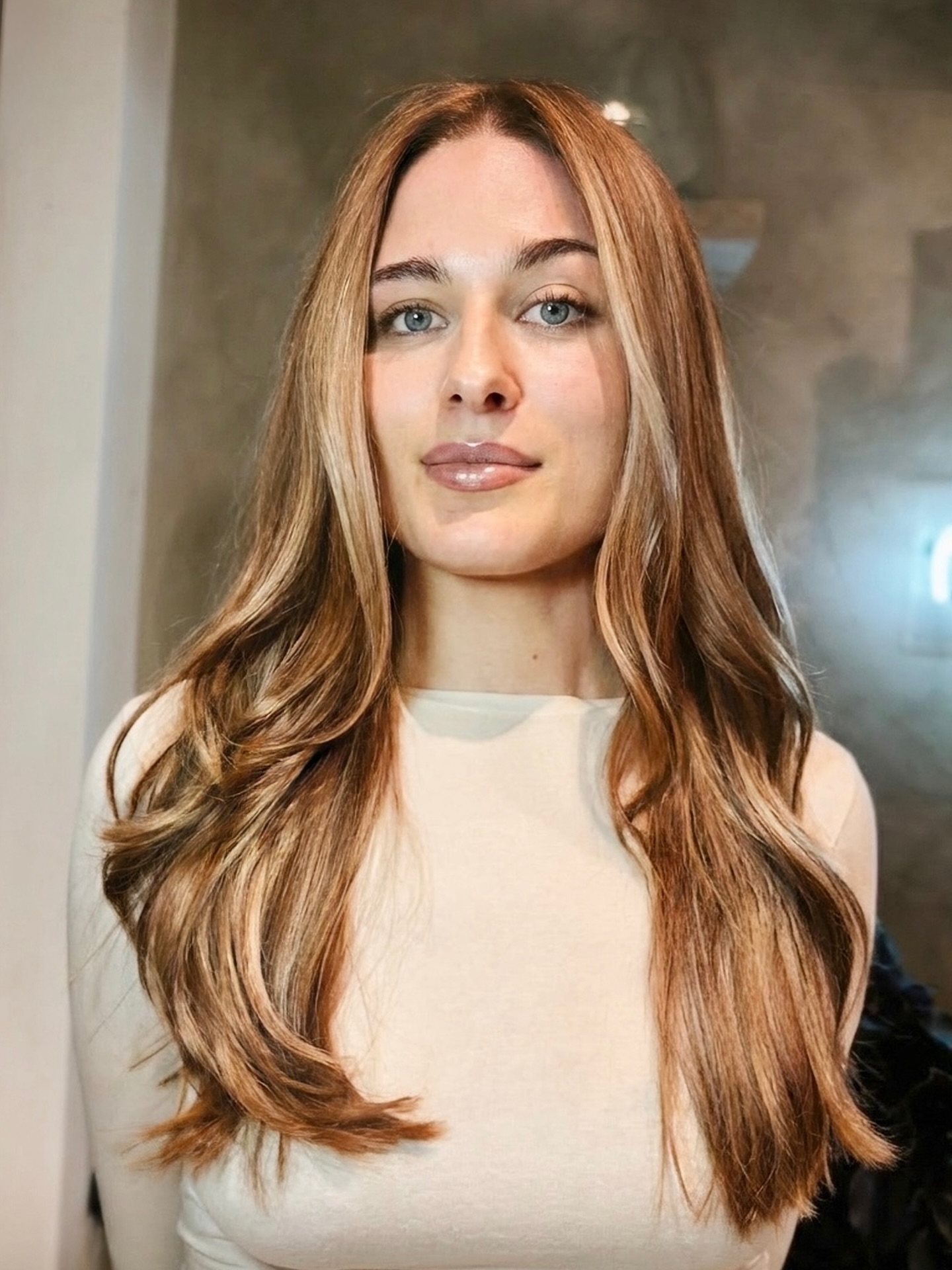
In terms of hype, yes — K18 has absolutely gained momentum. It feels fresh, science-led and highly visible on social media. Many people also love the fact that it doesn’t ask for a long multi-step commitment. That convenience has helped it stand out in an increasingly crowded repair market.
But overtaking Olaplex entirely is a more complicated claim. Olaplex still has a deeply established reputation in professional colour services and remains trusted by stylists worldwide. It has years of salon credibility behind it, particularly when it comes to protecting hair during chemical processing.
What’s really happening is less of a takeover and more of a shift in preference. K18 is becoming the go-to for clients who want fast, lightweight, modern repair at home. Olaplex remains a trusted favourite for ongoing bond support, especially in chemically treated hair and salon-based repair plans.
Which one is better for your hair?

The answer comes down to hair history and goals. Choose Olaplex if you regularly bleach or colour your hair, if your hairdresser has recommended bond protection during services, if you prefer a broader care system with multiple treatment options, or if your main concern is maintaining strength after chemical processing. Choose K18 if your hair feels weak, overprocessed or gummy, if you want a simple routine with fewer steps, if you’re after softness and strength without a coated finish, or if you like cutting-edge formulas with quick application time.
It’s also worth saying that these products are not magic wands. Severely damaged hair may still need a trim, a change in styling habits, and a more personalised care plan. No treatment can permanently glue together split ends or reverse every sign of overprocessing if the hair is already at breaking point.
The salon perspective
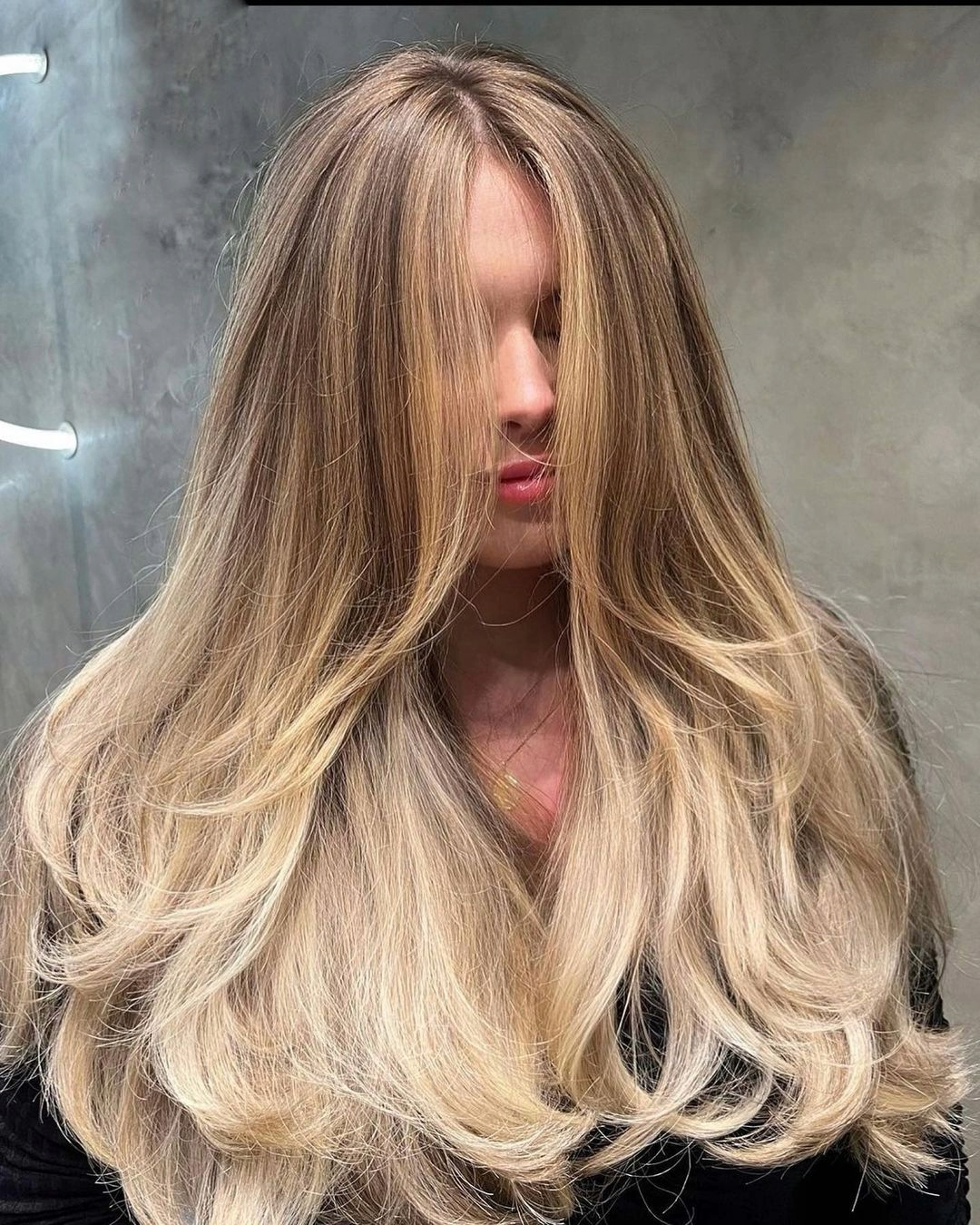
In salon reality, the “best” treatment is rarely universal. A skilled stylist will look at your porosity, elasticity, colour history, heat habits and overall hair goals before recommending anything. What works beautifully for one person’s highlighted bob may not be right for someone with long, fine, heat-damaged hair.
That’s why professional guidance still matters, even with brilliant at-home products on the market. At Gusto Hair, treatments are chosen based on what the hair actually needs, not just what’s trending online. Sometimes that means bond repair, sometimes it means moisture, protein balance, glossing, or simply a better haircut strategy.
If K18 is winning anything right now, it’s the conversation. It has captured attention by making hair repair feel quicker, cooler and more accessible. But Olaplex hasn’t lost its relevance. It’s still one of the most recognised and respected names in bond-building, particularly in the world of professional colour. Rather than asking which brand wins outright, it may be more useful to ask which one suits your hair best right now. Healthy hair is rarely about one miracle product — it’s about the right diagnosis, the right routine and consistency over time.
Ready to bring damaged, overworked hair back to life? Our award-winning stylists at Gusto Hairdressing are here to help at our Oxford Street and Covent Garden salons. Book at Oxford Street | Book at Covent Garden.