Rosemary Oil for Hair Growth: What Our Stylists Actually Think
Scroll through any hair TikTok for more than thirty seconds and you'll hit a rosemary oil video. It sits alongside peptides, caffeine and salicylic acid in the current scalp-care wave, promising thicker, faster-growing hair from a bottle that's been sitting in your spice rack for years. We get asked about it in the chair almost every week now, so we thought it was worth setting out plainly what we actually think.
Where the rosemary oil hype comes from
 The trend isn't entirely baseless. A small 2015 study compared rosemary oil to minoxidil (the active ingredient in most over-the-counter hair growth treatments) over six months and found broadly comparable results for androgenetic alopecia, with less scalp itching. That single study is doing an enormous amount of work across the internet — it gets cited in almost every rosemary oil post you'll see, often without the caveats. It was a small trial, it looked at one specific type of hair loss, and it hasn't been widely repeated since.
What the evidence actually says
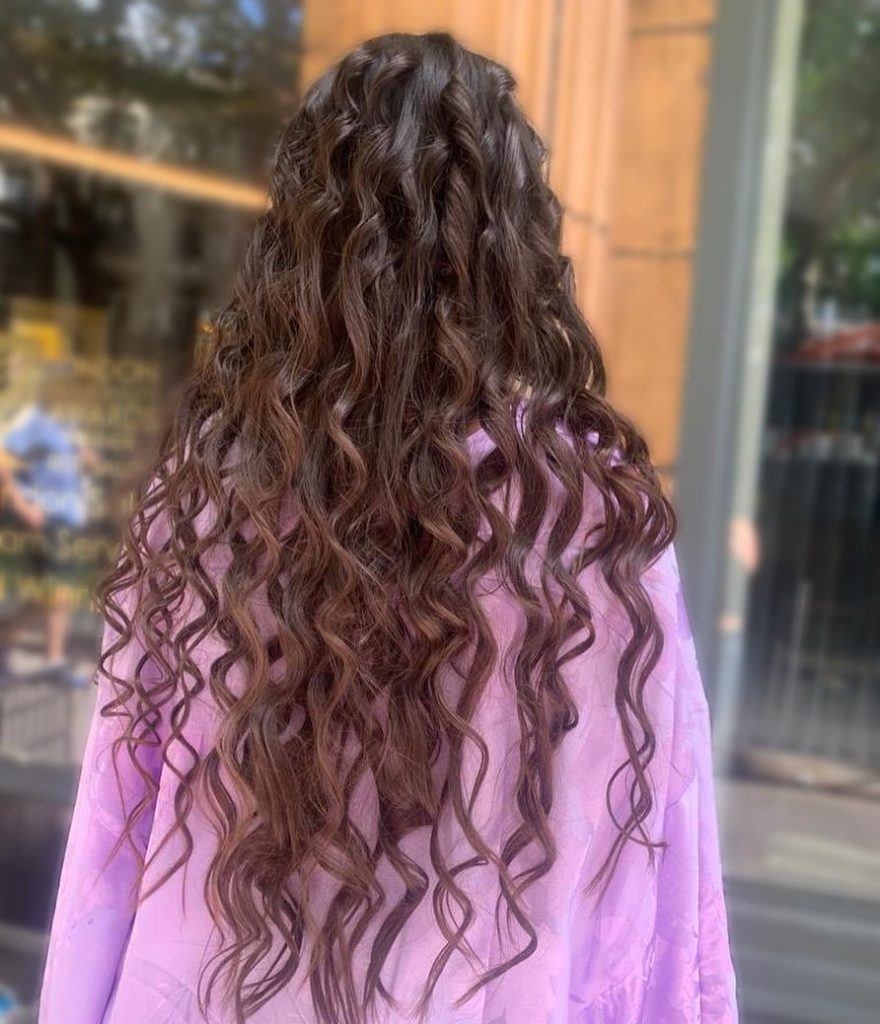 Rosemary oil is a mild scalp stimulant. It increases circulation to the area it's applied to, which in theory supports the hair follicles sitting there, and it has some antimicrobial and anti-inflammatory properties that can help with an irritated or flaky scalp. What it isn't is a proven treatment for the most common causes of thinning hair, which are usually hormonal, genetic or related to stress, diet or a health condition. Improved scalp condition can absolutely make existing hair look and feel healthier and can reduce breakage, but that's a different claim to “hair growth” and it's worth keeping the two separate in your head.
How to use it without greasy roots
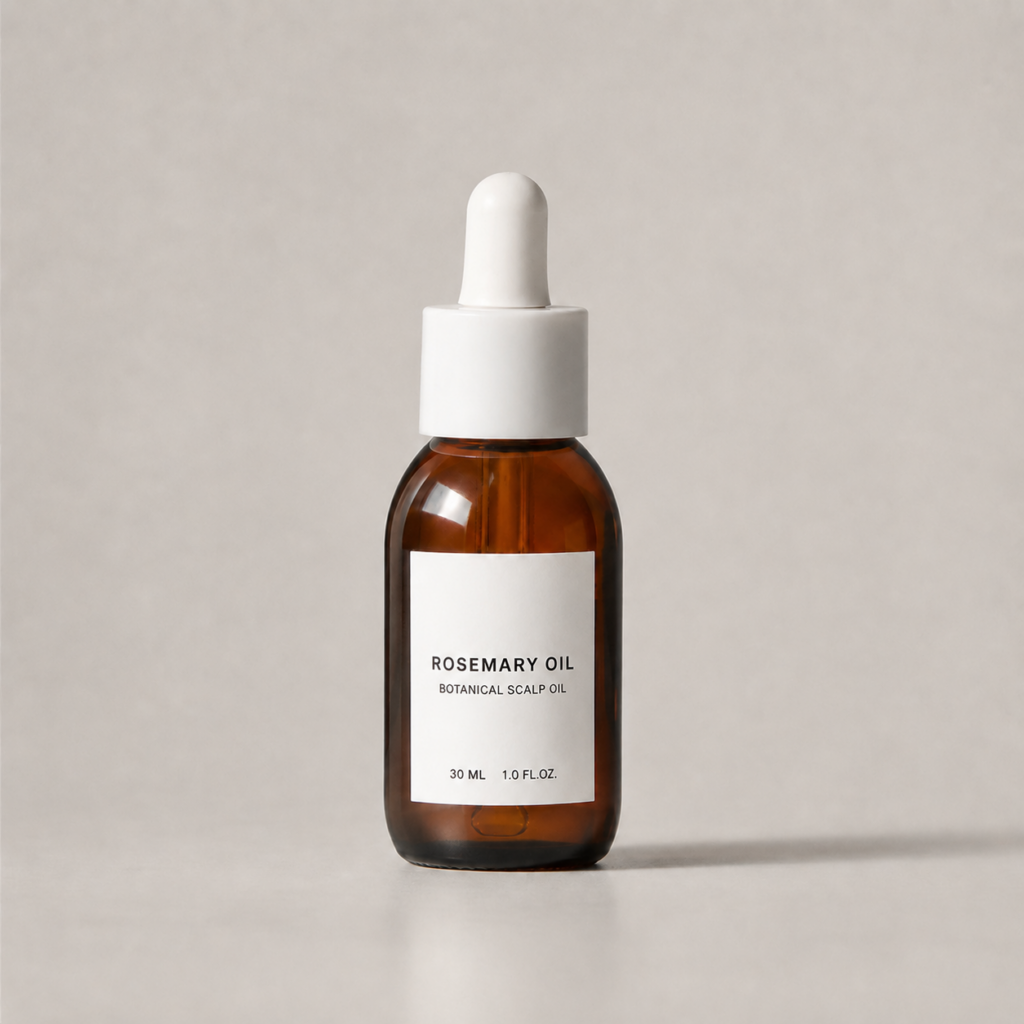
If you want to try it, the biggest complaint we hear is that it leaves hair looking limp and oily by day two. A few ways round that:
Dilute it properly. Rosemary oil is an essential oil and shouldn't go on the scalp neat — mix a few drops into a carrier oil (jojoba and argan are both good) or, easier still, buy it pre-blended into a scalp serum.
Apply to a dry scalp before washing, not after. Massage it in an hour or two before your usual wash day, leave it to do its work, then shampoo it out properly rather than trying to style around it.
Use a proper clarifying shampoo once a week if you're using it regularly. Oil-based scalp products build up, and a lot of the “rosemary oil made my hair greasy” complaints are really a buildup problem rather than a rosemary oil problem.
Little and often beats a lot, occasionally. Two or three times a week is plenty — there's no evidence that more is better here.
When to see a professional instead
If you've noticed genuine thinning, a receding hairline, or hair loss in patches, that's a conversation for a GP or trichologist, not a home remedy. Rosemary oil, at best, supports a healthy scalp environment — it won't address an underlying hormonal or medical cause, and the earlier that's investigated, the more options you have. It's also worth a proper consultation with your stylist if what's actually bothering you is breakage or damage rather than growth, because those often need a different fix entirely (usually starting with the colour or heat styling that's causing it).
Our verdict at Gusto
We think rosemary oil is worth trying if your scalp could use some TLC and you're prepared to be patient and consistent — a few drops, a few times a week, for a few months, not a miracle overnight. It's not going to reverse significant hair loss on its own, and if that's what you're dealing with, we'd always rather have that honest conversation with you than let a trend set expectations we can't meet. Come in for a consultation and we'll take an honest look at your scalp and hair together, and point you towards what will actually help.
Book at Oxford Street or Covent Garden for a consultation.