
Why Your Balayage Goes Brassy at Week Six — And What to Do About It
You leave the salon and your balayage looks incredible. Rich, dimensional, perfectly toned. Then week six arrives and something has shifted. There's a warmth creeping in at the mid-lengths. The root line feels more obvious. The colour that looked effortless now looks like it needs attention.
This is one of the most common frustrations we hear at Gusto. And the good news is that it's almost never about the quality of the original colour. It's about how the colour was designed — or rather, wasn't designed — for the grow-out stage.
The Real Reason Balayage Goes Brassy
Brassiness at week six typically has one of three causes, and usually it's a combination of all three.
The toner was chosen for day-one brightness, not longevity. Cool, ashy toners look stunning immediately after application. But many of them are formulated for impact rather than endurance. They fade within three to five weeks
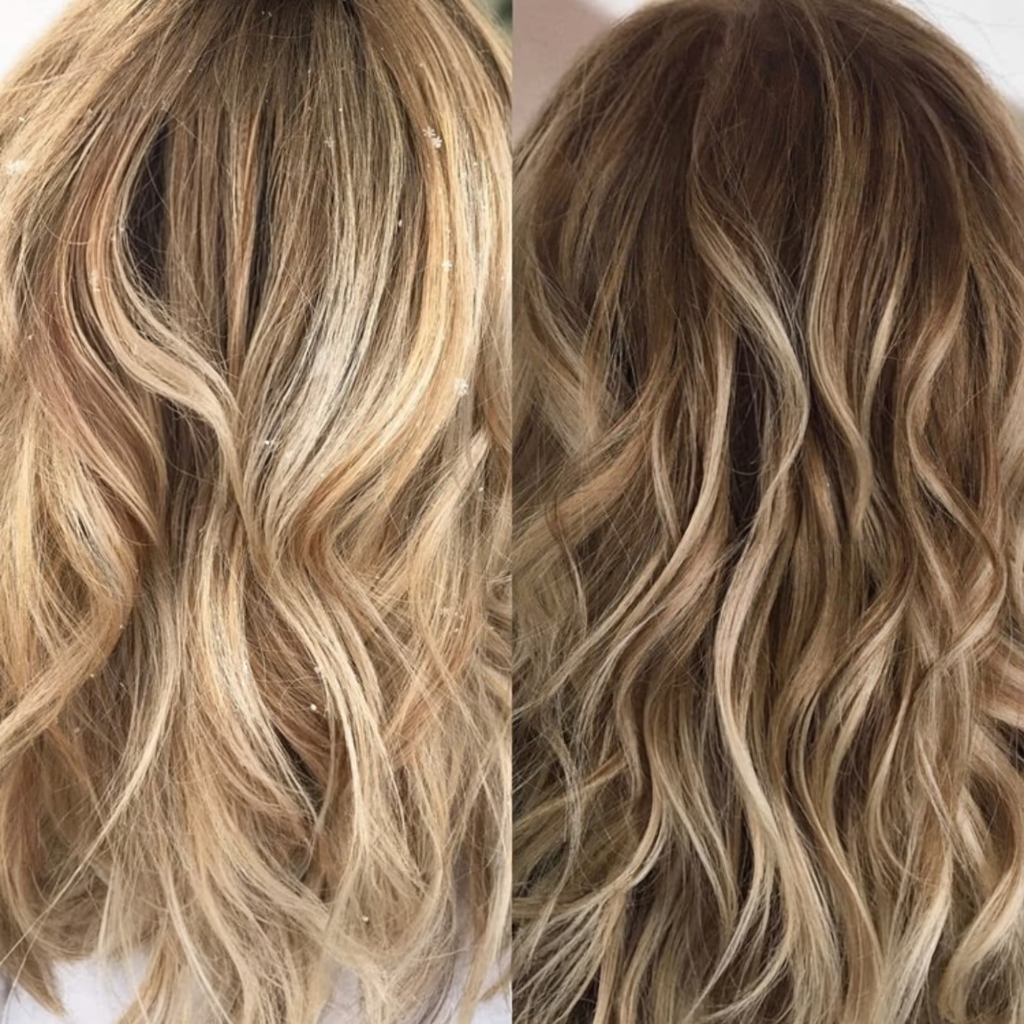
— sometimes faster if you're washing daily or using the wrong shampoo — and what's left underneath is the underlying warm pigment that was never fully neutralised.
The placement was too close to the root. When highlights or balayage sit close to the scalp, the line between lightened hair and natural regrowth becomes visible very quickly. Natural hair is warm and dark. Lightened hair is cool and bright. Without a considered root shadow bridging the two, that contrast reads as grown out rather than intentional from about week four onwards.
No grow-out was designed into the colour. This is the fundamental issue. Most balayage is placed for the photograph — for maximum impact at the moment you leave the salon. The grow-out stage isn't part of the design conversation. So when it arrives, it arrives as a problem rather than as a planned stage of the colour's life.
What a Root Shadow Actually Does
A root shadow is a personalised, slightly deeper tone applied at the root area that blends your natural regrowth into the lightened sections above it. Done well, it means that as your hair grows, there's no hard line — because the new growth is blending into a tone that was designed to receive it.
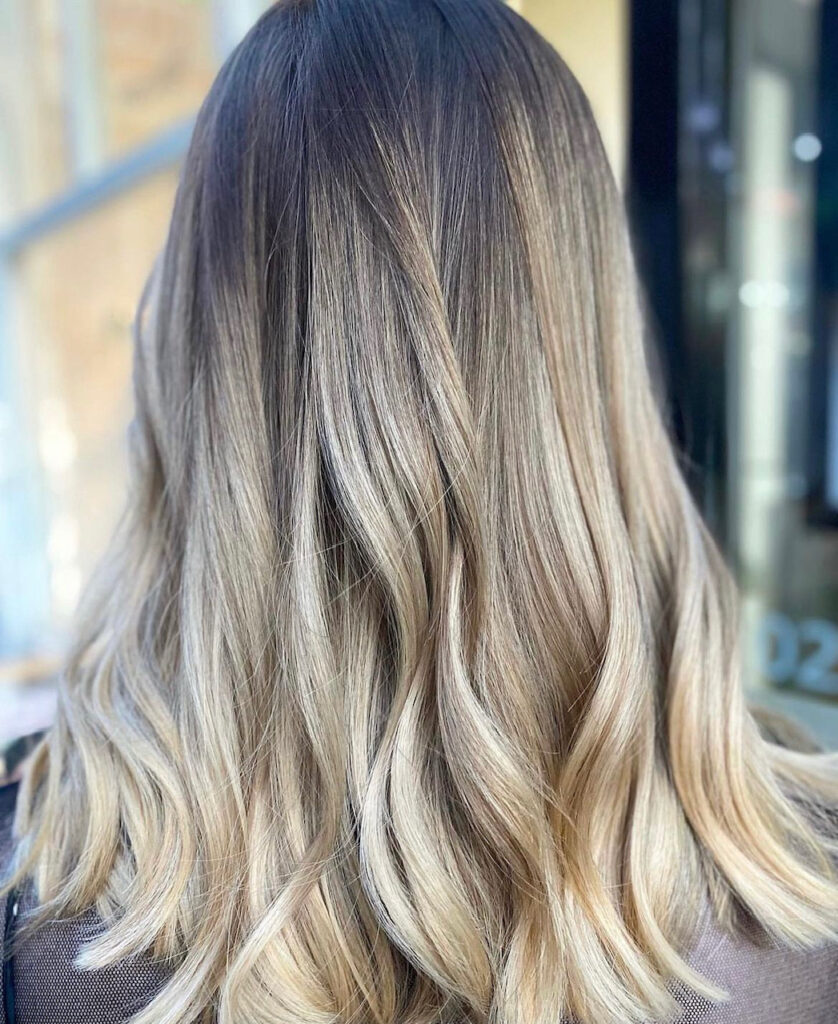
The root shadow depth is personal. Someone with a level 4 natural base needs a different root shadow to someone with a level 6. Someone who comes back every eight weeks needs a shallower blend than someone who stretches to fourteen. Getting this right is the difference between colour that looks intentional at week ten and colour that looks grown out at week five.
How Toner Choice Changes Everything
The toner conversation is one that most salons rush. The focus is on the lift and the placement — the toner is almost an afterthought. But if your toner fades in three weeks, the entire colour changes in three weeks.
There are two things that extend toner life significantly. First, choosing a toner that is half a level to a full level darker than your target tone — it fades toward the target rather than through it. This single adjustment can add three to four weeks of wear to most cool blonde toners. Second, applying an acidic toner (pH 3.5–4.5) which seals the cuticle rather than sitting on the surface of it. Acidic toners last measurably longer, particularly on clients who wash their hair frequently.
What You Can Do Between Appointments
Aftercare makes a real difference to how long your colour holds. These three things, done consistently, will extend the life of your balayage significantly.
A colour-preserving shampoo matched to your tone. Sulphate-free, colour-safe formulas reduce fade by a meaningful margin — particularly for cool tones, which are the most vulnerable to brassiness.
A weekly toning treatment or gloss mask. A purple or blue mask used once a week deposits small amounts of cool pigment back into the hair, counteracting the warm build-up that happens between appointments. Think of it as topping up rather than re-toning.
Lower wash frequency where possible. Every wash strips a small amount of toner. Twice or three times a week is the sweet spot for colour longevity — daily washing significantly accelerates brass.
The Permanent Fix: Designing for Grow-Out from the Start
All of the above helps. But the real answer to brassy week-six balayage is designing the colour differently from the very beginning.

At Gusto, every colour appointment starts with a Colour Blueprint consultation. We ask about your maintenance window, your root behaviour, your wash frequency, and what your hair looks like at week eight. Then we use that information to make placement, toner, and root shadow decisions that account for the grow-out — not just the day-one result.
The outcome is colour that doesn't suddenly become a problem at week six. It transitions gracefully because it was designed to. If your current balayage is going brassy too quickly, it's worth having a conversation about how it was designed — and what a different approach might look like.
Learn more about Perfect Grow-Out Colour at Gusto, or book your Colour Blueprint consultation online.