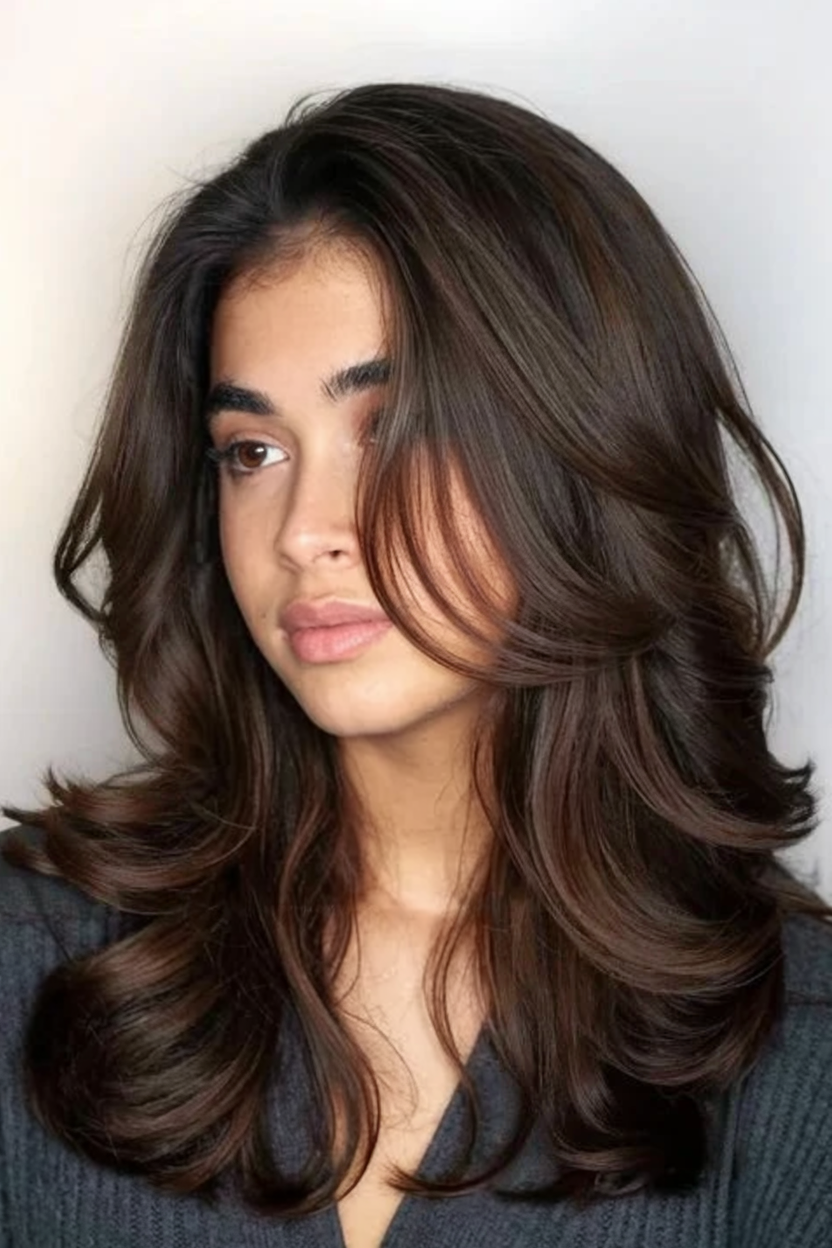
The Warrior Cut
There's a new name doing the rounds in men's grooming this year, and it's the warrior cut. Pall Mall Barbers flagged it as one of the cuts set to dominate London in 2026, and after a few weeks of seeing it requested in the chair, we can see why. It's part of a bigger shift away from the ultra-sharp clipper work that's dominated for the last few years, towards something softer, more textured, and cut mostly with scissors.
What actually is the warrior cut
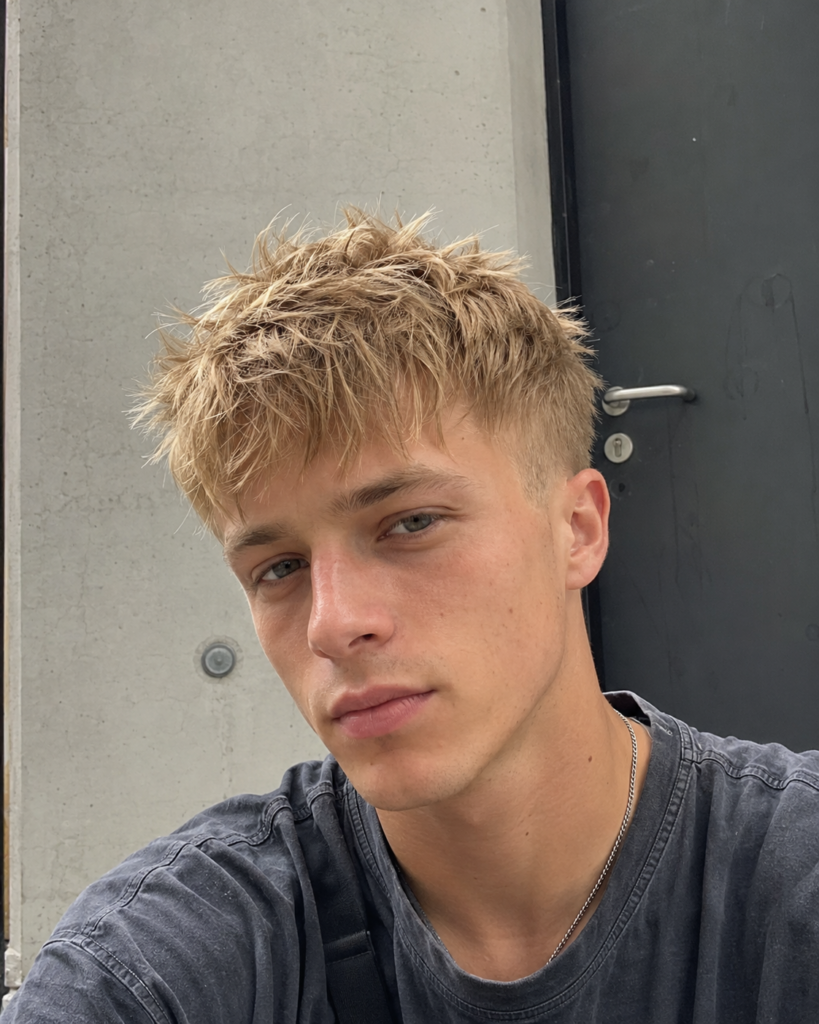
The name is more dramatic than the cut itself. At its core, the warrior cut is a longer, textured crop with more length left on top than a typical fade, styled to look slightly undone rather than precision-groomed. Think longer, choppy layers on top that move naturally, a beard or stubble that's kept but not sharply lined, and sides that are cut down with scissors over comb rather than clippered to skin. It borrows a bit from the shag and a bit from the classic crop, but the point of difference is texture. Where a skin fade or a French crop lives and dies by a razor-sharp line, the warrior cut is built on movement and shape.
Why scissors are having a moment
For a good few years, precision has been the whole game in men's barbering. Skin fades, hard parts, sharp edges. The warrior cut is part of a real swing back towards scissor-over-comb texturising, which gives a softer, more natural finish and, frankly, grows out a lot better between appointments. A clean fade needs a top-up every two to three weeks or it looks scruffy in the wrong way. A textured scissor cut like this one can go longer between visits and still look intentional as it grows.
Who it actually suits
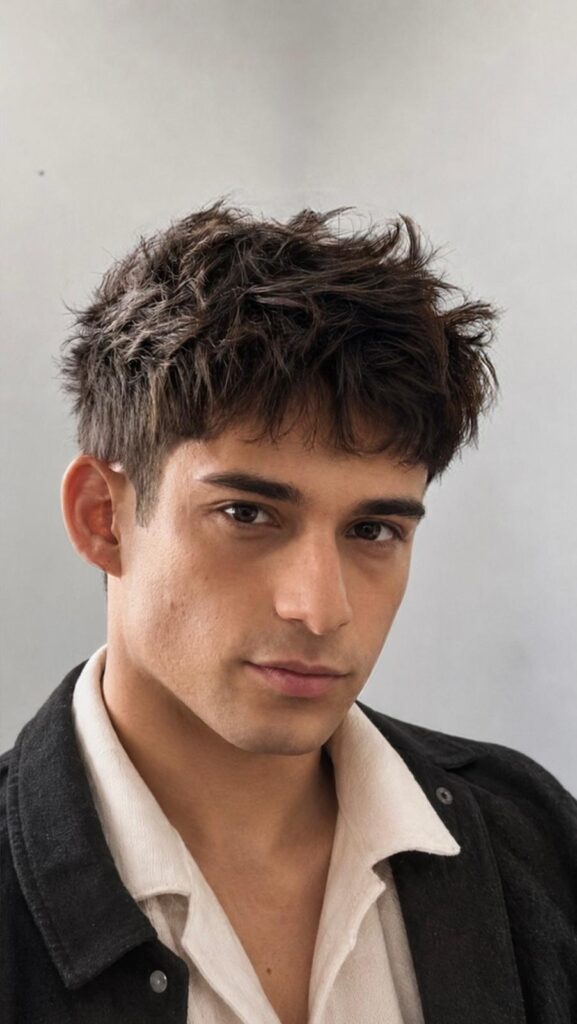
This one rewards hair with a bit of natural wave or texture already in it — it looks effortless on hair that has some body, and needs more product and styling effort on very straight, fine hair to get the same movement. Face-shape-wise, the longer top and softer sides work well if you've got a rounder or squarer face and want a bit of length and height without going full quiff. If you've got a strong jawline already, it pairs particularly well with kept stubble or a short beard, which is part of why the “warrior” name has stuck — there's a slightly rugged, undone quality to the whole look.
How to ask for it in the chair
Because it's a newer name, don't assume every barber will immediately picture the same thing you do. Bring a reference photo if you have one, and be specific about the two things that actually define this cut: scissor-over-comb on the sides rather than a skin fade, and enough length left on top for movement and texture, not a tight crop. It's also worth being honest about your maintenance appetite — this cut needs a bit of product (a matte clay or texturising paste rather than anything glossy) and some hands-on styling most mornings, so it's not the lowest-effort option out there.
How it compares to what's already popular
If you've read our posts on the mid taper fade or the modern soft mullet, the warrior cut sits in the same 2026 shift towards texture over precision, but it's tidier at the back and sides than a mullet and less committed to a hard taper line than the mid fade. Compared with the French crop, it's the longer, shaggier cousin — same scissor-forward philosophy, more length and movement on top.
Our take
We think this one has legs beyond a TikTok moment, mainly because it's genuinely lower-maintenance in the way that matters (regrowth) even though it needs a bit more daily styling. If your hair's got some natural texture and you're bored of maintaining a sharp fade every fortnight, it's worth a consultation to see if it'd suit your hair and face shape.
Book at Oxford Street or Covent Garden to talk it through with one of our barbers.