The Burst Fade
You've probably seen it already: sharp around the ears, clean through the neckline, and blended perfectly into textured curls, a mullet, or a crop. The burst fade has become one of the most requested men's cuts of the past year, and it's easy to see why. It's modern, versatile, and just bold enough to stand out without feeling overdone.
If you want a haircut that looks fresh straight after the chair but still gives you room to personalise your style, the burst fade is well worth knowing about. Whether you prefer something subtle and polished or more fashion-forward, this cut can be adapted to suit your hair type, face shape, and overall look.
What Is a Burst Fade?
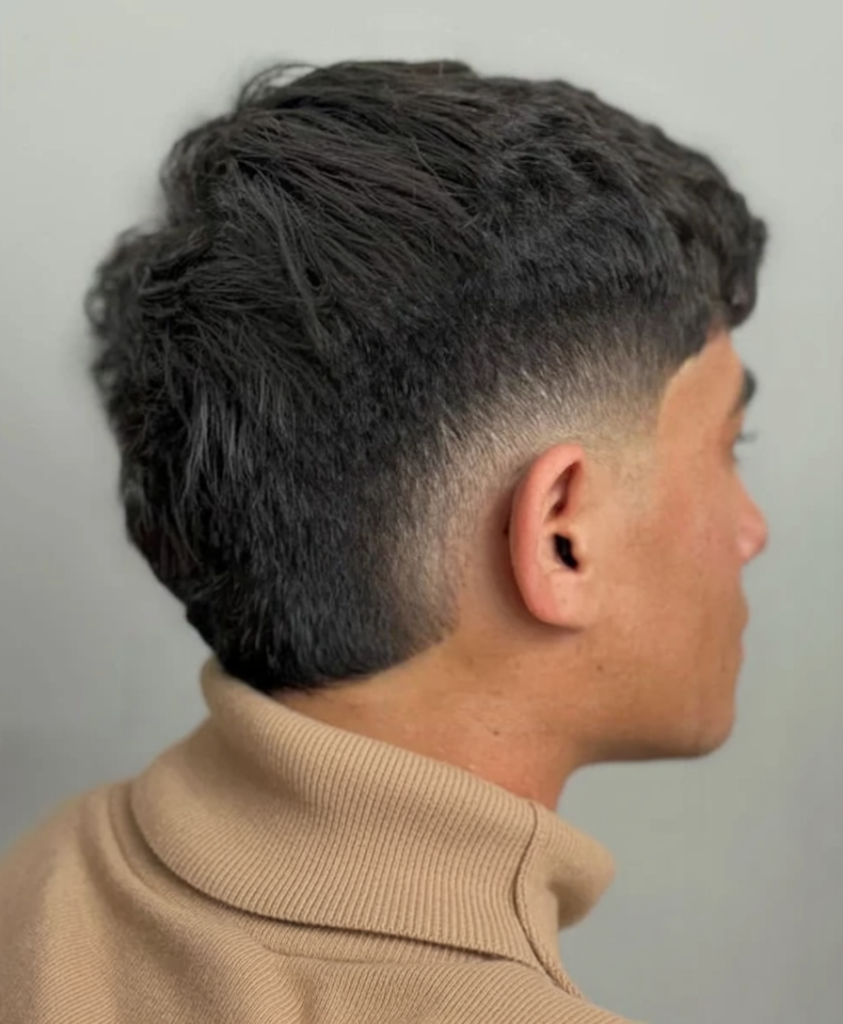
A burst fade is a fade haircut where the tapering curves naturally around the ear in a semi-circular shape. Instead of fading straight up the sides like a classic taper or skin fade, the "burst" effect creates a rounded silhouette that arcs around the ear and sweeps down towards the neckline. It gives the cut more movement and works especially well when paired with volume or texture on top and at the back.
One of the reasons the burst fade is having such a moment is its flexibility. It works with short crops, mohawks, modern mullets, curls, coils, and even longer textured styles. It can be sharp and dramatic or softer and more understated, depending on how high the fade sits and how much contrast you want between the sides and the top.
Who Suits a Burst Fade?
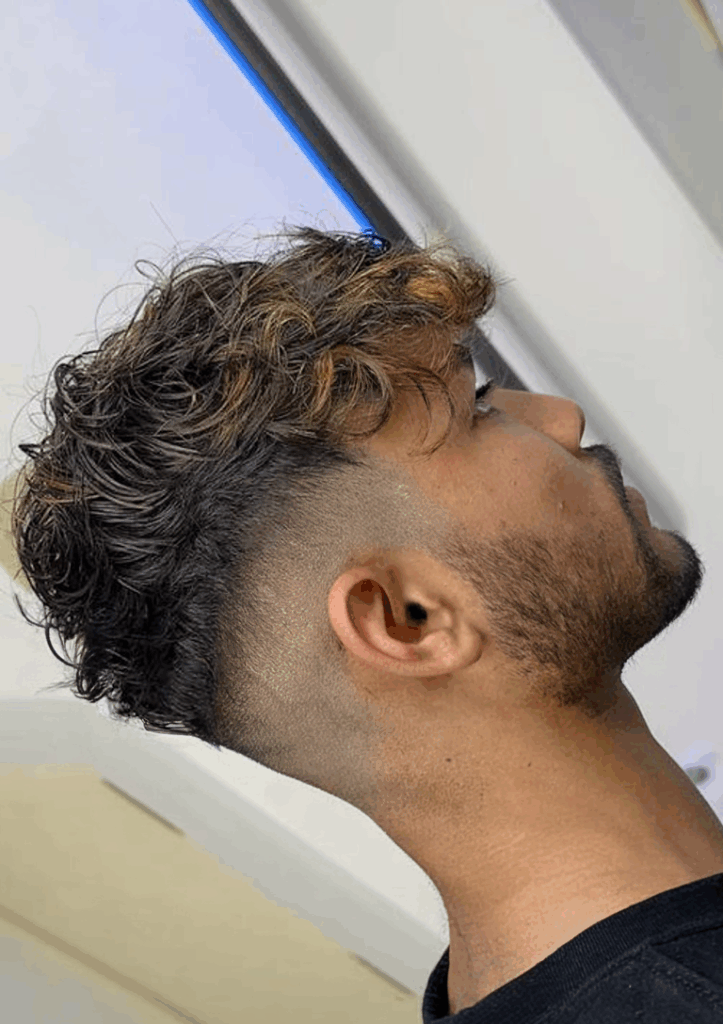
The good news is that a burst fade can suit a wide range of people when it's tailored properly. The key is customisation — a clever stylist will adjust the fade height, the arc around the ear, and the top length so the finished look feels balanced rather than forced.
It works particularly well for men with curls or waves who want to keep their shape on top while cleaning up the sides, thick hair types that benefit from removing bulk around the ears and neckline, and clients who want a sharper alternative to a standard taper fade. If you're growing out a mullet or looking for a cut with a bit more edge, the burst fade slots right in. It also tends to flatter the jawline and cheekbones, drawing attention upward without being harsh.
Burst Fade vs Taper Fade: What's the Difference?
These two cuts are often confused, but they create very different effects. A taper fade usually keeps the transition fairly low and neat around the sideburns and neckline — subtle, classic, and ideal if you want a cleaner version of your existing haircut.
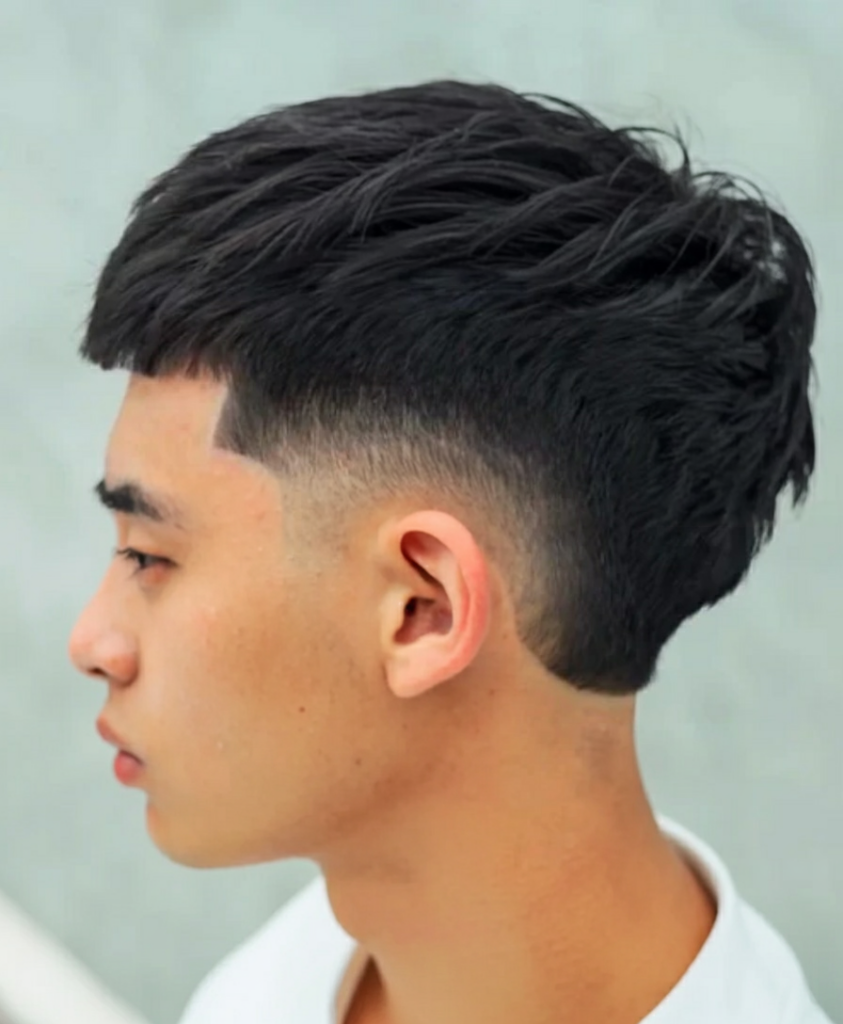
A burst fade is more visual. The fade arcs around the ear and creates a more sculpted outline, which draws attention to the shape of the cut itself. It tends to feel more directional and style-led, especially when combined with texture on top or length at the back. If you like understated grooming, a taper may be enough. If you want something more contemporary and expressive, the burst fade is likely the better choice.
The Most Popular Burst Fade Styles in 2026
One of the reasons this cut has exploded in popularity is that there isn't just one version of it. A few of the biggest looks right now:
Burst fade mullet. Probably the most talked-about variation. The sides stay clean and tight while the back is left longer, creating a strong contrast that feels deliberately cool rather than retro. It works particularly well with texture and movement.
Curly burst fade. For naturally curly or coily hair, the burst fade helps control the shape without taking away volume where you want it. It keeps the style looking fresh and defined while letting the curls remain the main feature.
Burst fade mohawk. Bolder and more fashion-forward. The fade frames a central strip of length, giving the haircut a dramatic silhouette. Style it sleek or textured depending on your vibe.
Textured crop with burst fade. If you want something easier to wear day to day, this is a great option. The crop keeps things current and manageable, while the burst fade adds enough detail to make the cut feel elevated. It pairs especially nicely with a textured fringe too.
How to Style and Maintain a Burst Fade
The burst fade itself creates shape, but styling is what brings the haircut to life. For textured or messy looks, a matte clay or paste helps define the top without making it stiff. For curls, a lightweight curl cream or defining mousse enhances separation and reduces frizz. If you're wearing the style sleeker, a soft pomade or grooming cream gives polish without too much weight.
Maintenance is where a lot of people slip up. Because the detailing around the ear is such a defining feature, regrowth becomes noticeable more quickly than with softer cuts. Most people will want a tidy-up every two to three weeks to keep the fade looking crisp. If you're pairing it with a longer mullet or textured top, you can leave the length slightly longer between appointments and just refresh the faded sections.
Why It Works Best Cut by a Pro
A burst fade lives or dies by the precision of the arc around the ear. That curve has to flow naturally, blend cleanly, and complement your head shape — not something you want to find out has gone wrong only after the clippers have done their work.
Our stylists at Gusto Hair use a mix of clipper work, scissor-over-comb blending and freehand finishing to shape the burst exactly to your hair density, growth pattern and the look you're going for. The result is a fade that looks intentional from every angle, not just head-on in the mirror.
Ready to try the burst fade for yourself? Our team at Gusto Hair, with salons on Oxford Street and in Covent Garden, will help you find the version that suits you best. Book at Oxford Street | Book at Covent Garden.