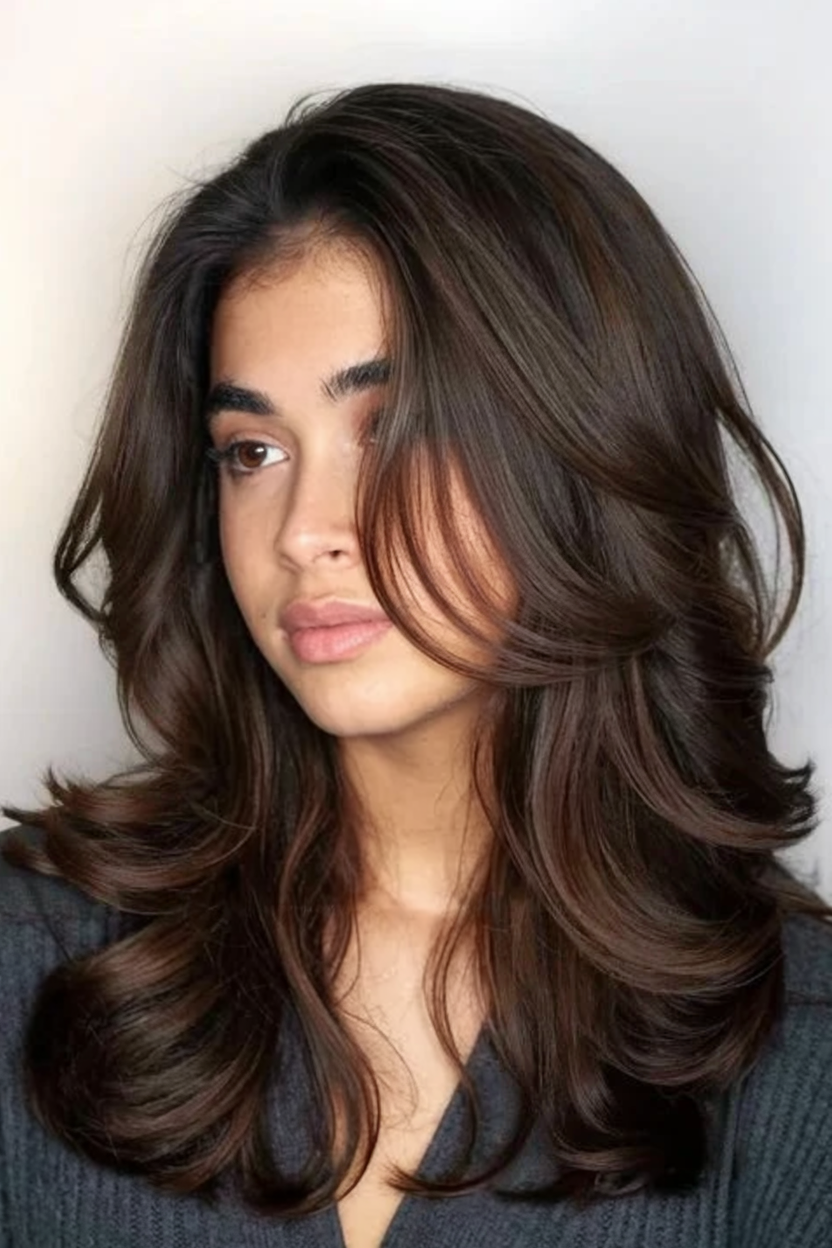
Why 1990s Supermodel Hair Still Dominates Luxury Beauty
There’s a reason every glossy editorial, red-carpet moment and high-fashion campaign keeps circling back to the same look — long, glossy, expensive-looking hair that moves like water. Cindy, Naomi, Linda, Christy, Claudia, Helena. The hair they wore down the Versace and Chanel runways three decades ago is still the visual shorthand for luxury, and it isn’t going anywhere. If anything, in 2026 it’s more dominant than ever.
So why does this look refuse to age? And what makes it the gold standard for clients walking into salons asking for “expensive hair”? Here’s our take from the chair.
The Look: Engineered, Not Effortless
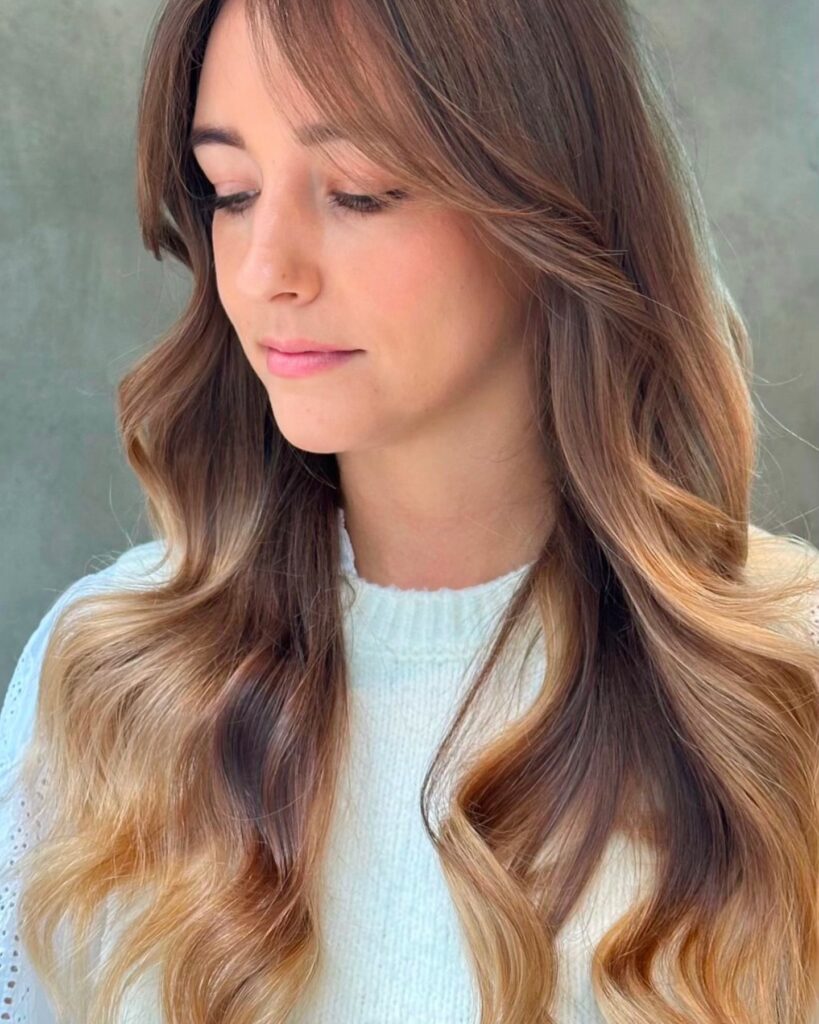
Nineties supermodel hair looks like the woman simply rolled out of bed with it. She didn’t. The Linda Evangelista bob, the Cindy Crawford bombshell waves, the Christy Turlington centre parting with that lazy bend — every one of those looks was a carefully constructed piece of styling, lit perfectly, photographed by Meisel or Lindbergh, and built on top of a serious cut.
The illusion of ease is the whole point. It’s the same reason a beautifully tailored coat looks unstudied on the right person — there’s enormous craft behind it. That’s why the supermodel look has translated so well into the luxury beauty era. It rewards investment. You can’t fake it with a £15 wash and go.
Why Glossy, Healthy Hair Reads as Wealth
Walk through Mayfair, Knightsbridge or Marylebone and look at the hair on women coming out of the best hotels and members’ clubs. You’ll see the same thing again and again: high shine, healthy ends, a soft natural movement, a colour that looks like it could almost be real.
That’s not an accident. In a culture saturated with filters, extensions and AI-generated faces, healthy hair is one of the very few status signals that’s hard to fake. It says you have time, money and a colourist you trust. Brands like Hermès, Celine and The Row sell exactly the same idea — quiet, expensive, considered. Supermodel hair is the beauty version of that wardrobe.
The 90s icons set the template because their hair was always shown in motion, always lit to show its condition, and always cut to fall in a way that made styling look optional. Three decades later, the cues haven’t changed.
The Cut Doing All the Heavy Lifting
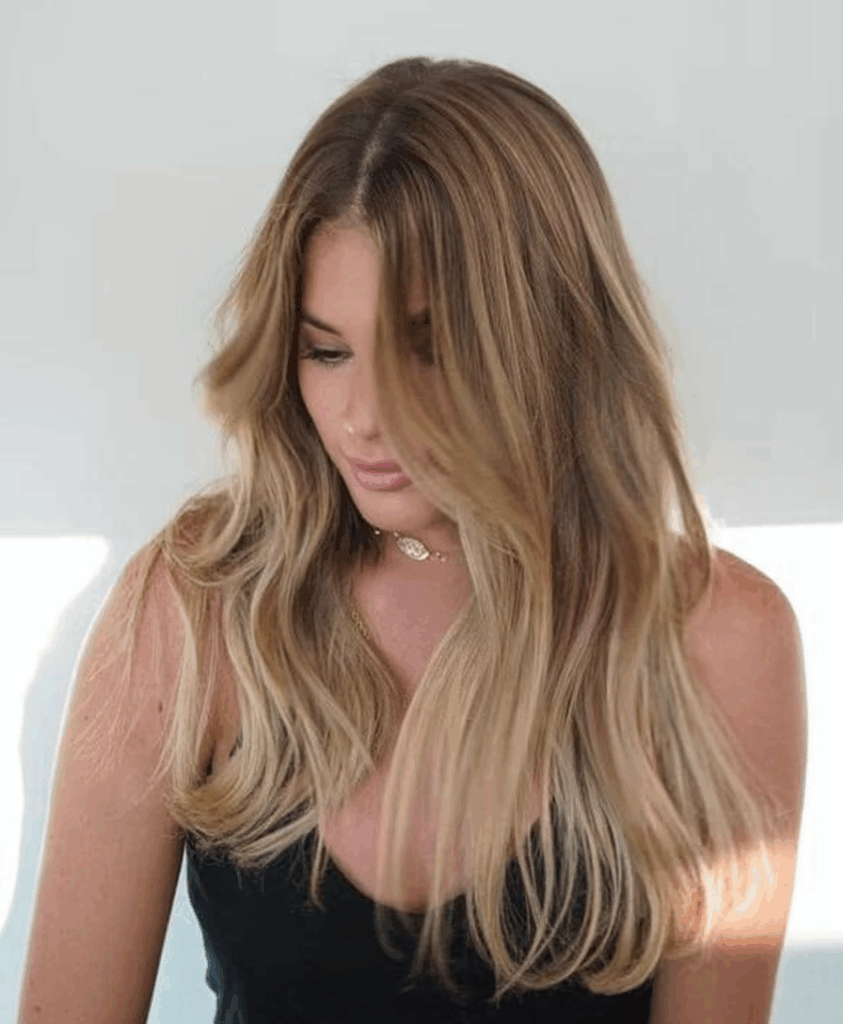
If you want this look, the cut matters more than the colour. A soft long layer through the mid-lengths, a face frame that starts around the cheekbone, ends that have weight rather than being scissored into wisps, and a centre or soft side parting. That’s the formula.
In Soho and Tottenham Court Road we cut a lot of these shapes — they suit almost everyone, they grow out beautifully, and they read as effortless even when the styling is minimal. The mistake we see most often is over-layering. The 90s look has movement, but it isn’t choppy. The internal layers are long and connected, designed to add bounce without breaking up the ends. Take that brief into a less experienced salon and you’ll often come out with a shag. Done well, you come out looking like you’ve been on a Vogue cover.
The Colour: Lived-In, Never Banded
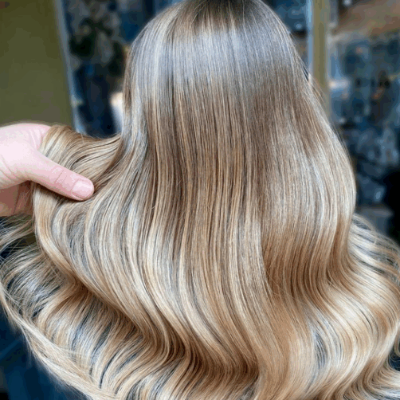
Supermodel colour is rich, warm-leaning and three-dimensional. Think Cindy’s caramel-bronze, Claudia’s honey blonde, Helena’s chestnut, Naomi’s deep glossy black. None of it is flat. None of it is striped. None of it screams “I was at the salon yesterday.”
The technique that gets you there in 2026 is a proper hand-painted balayage with a tonal gloss on top, refreshed with a soft toner every six to eight weeks. We deliberately avoid harsh contrast at the root and any kind of obvious banding through the lengths. The aim is depth that looks like the sun put it there — and a shine finish that bounces light the way it does in a Lindbergh black-and-white.
For our brunette and black-haired clients, the same logic applies: a glossy, expensive-looking finish almost always comes from a clear or near-clear gloss treatment, not from a heavier colour. Shine is the supermodel ingredient most people underestimate.
How to Wear It in 2026
The good news is the look has loosened up. Where the original supermodel blowout was big, set and almost architectural, the modern version is softer — a loose bend through the mid-lengths, a barely-there wave around the face, ends left undone. It pairs beautifully with the slip-dress, leather-trouser, cashmere-jumper aesthetic that’s everywhere right now.
The non-negotiables haven’t changed though: condition, cut, and a colour that looks like real hair. Get those three right and you’ll see exactly why this look has outlasted every micro-trend that’s tried to replace it.
If you’d like us to build it for you — the cut, the colour, or both — come and see us in Soho or Tottenham Court Road. We’ve been creating this look for clients for years, and we’ll tailor it to your hair type, lifestyle and the way you actually wear your hair day to day. Book online here and we’ll take it from there.