Is London Hard Water Ruining Your Hair Colour?
If you've ever noticed your blonde turning brassy weeks before it should, or your copper fading faster than your colourist promised, London's water supply might be partly to blame. Hard water is one of the most overlooked factors in hair colour longevity — and in a city where the water is some of the hardest in the UK, it's affecting more people than realise.
What Makes London Water So Hard?
London's tap water comes primarily from chalk and limestone aquifers in the Thames Valley and Lee Valley. As it filters through these rocks, it picks up high concentrations of calcium and magnesium — the minerals that make water "hard." According to Thames Water, London consistently measures above 200mg/l of calcium carbonate, placing it firmly in the "very hard" category.
For your kettle, that means limescale. For your hair, it means mineral buildup that sits on the cuticle, changes how colour looks, and makes hair feel rough, dry and dull over time. It's not dramatic enough to notice overnight, but after weeks of washing in hard water, the effects become visible — especially on colour-treated hair.
How Hard Water Affects Colour-Treated Hair
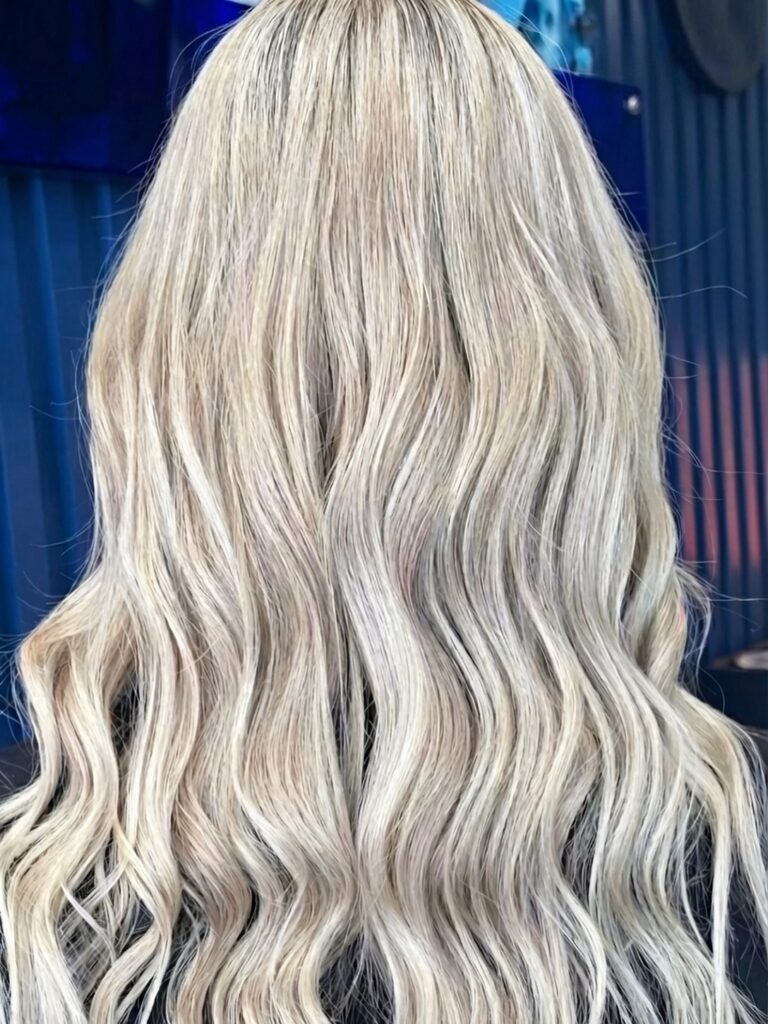
When minerals from hard water deposit onto the hair shaft, they create a thin film that interferes with how light reflects off the cuticle. This is why blonde hair often develops a greenish or yellowish cast in London — it's not your toner failing, it's mineral oxidation changing the surface tone of your hair.
For warmer shades like copper and auburn, hard water can make the colour appear duller and less vibrant. The mineral layer essentially mutes the warmth, leaving hair looking flat ratherthan glossy. Brunettes aren't immune either — hard water buildup can make dark hair look ashy or lacklustre instead of rich and reflective.
Beyond colour, hard water affects the texture and feel of hair. It can make strands feel coarse, tangled and resistant to styling. Conditioner doesn't absorb as well, heat tools don't glide as smoothly, and that freshly-coloured salon finish fades much faster than it should.
Why Your Blonde Keeps Going Brassy (And It's Not Your Toner)

This is one of the most common complaints we hear at Gusto Hair. A client leaves the salon with a beautiful, clean blonde — cool, creamy, exactly what they wanted. Three weeks later, it's pulled warm or developed an unwanted tone, and they assume the toner wasn't strong enough.
In many cases, the real culprit is mineral buildup. Iron and copper particles in London's water oxidise on the hair, creating warm, brassy or greenish discolouration that looks like faded toner but is actually a surface deposit. No amount of purple shampoo will fix this because it's not a pigment problem — it's a mineral problem.
This is also why some clients find their colour holds beautifully after a holiday. Softer water in other parts of the UK or abroad means less mineral interference, so hair stays truer to tone for longer. It's not the sea air doing you a favour — it's the absence of London limestone.
What You Can Actually Do About It
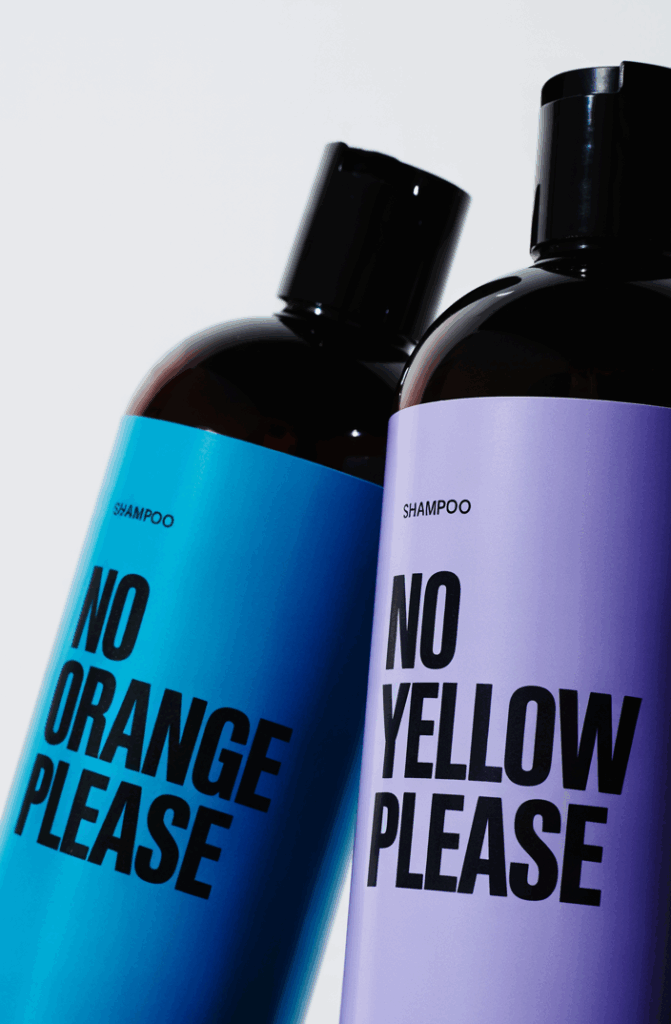 The good news is that hard water damage to hair colour is largely preventable and reversible. Here's what actually works:
A chelating or clarifying shampoo used once a week can strip mineral buildup without damaging colour. Look for ingredients like EDTA or citric acid — these bind to mineral deposits and lift them away. Don't use clarifying shampoo daily though, as it can strip colour pigment along with the minerals.
A shower filter designed for hard water can reduce the mineral content reaching your hair in the first place. They're not a perfect solution, but they do soften the blow significantly. The carbon and KDF filters are generally the most effective for hair.
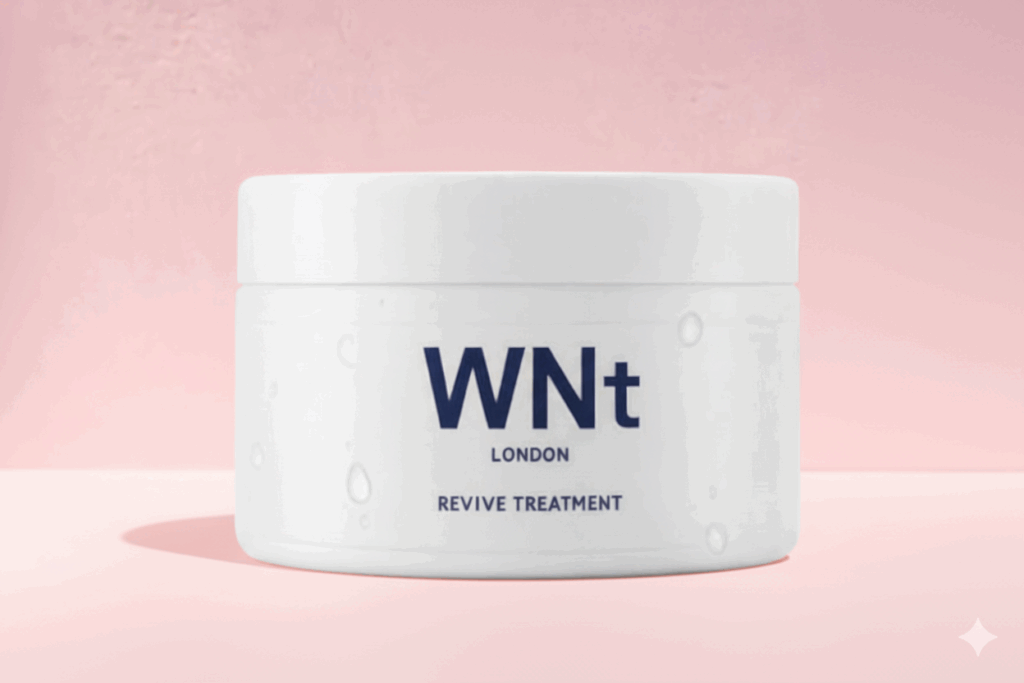
In-salon treatments are the most powerful option. At Gusto Hair, we offer WNt London and similar treatments that remove deep-set mineral buildup and restore colour vibrancy in a single appointment. Many of our London clients now book these between colour appointments as part of their routine, especially blondes who want to keep their tone clean between toning sessions.
Rinsing with filtered or bottled water for your final rinse is another trick — not practical for a full wash, but even a cool filtered rinse at the end can reduce mineral deposits on the cuticle.
Protecting Your Colour Investment in London
Living in London means accepting that your hair colour works a little harder than it would elsewhere. But understanding why helps you protect it. If your colour has been fading faster than expected, or your blonde keeps pulling warm no matter what you do, it might not be a formula issue — it might be your water.
At Gusto Hair in Soho and Tottenham Court Road, we factor London's water quality into every colour consultation. We can recommend the right maintenance routine, build chelating treatments into your schedule, and adjust your formulas to account for how your hair will behave between appointments. It's the kind of local knowledge that makes salon colour last properly. Ready to get your colour back on track? Book your consultation today.