
How Often Should You Wash Your Hair?
It’s one of the most Googled hair questions of all time — and yet the answer isn’t as simple as once a day or once a week. How often you should wash your hair depends on your hair type, scalp condition, lifestyle, and the products you’re using. Wash too often and you strip your scalp of the natural oils it needs. Wash too rarely and product buildup, oil, and debris weigh your hair down. Here’s how to find your personal sweet spot.
Why Wash Frequency Actually Matters
Your scalp produces sebum — a natural oil that protects both the scalp and the hair shaft. Washing too frequently strips that oil faster than your scalp can replace it, which triggers your sebaceous glands to produce even more oil as a response. You end up in a cycle where your hair gets greasy faster and faster. On the other hand, going too long between washes allows product residue, dead skin cells, and environmental pollutants — particularly relevant if you live in a city like London — to clog follicles and dull the hair. Finding your ideal frequency is about balance, not routine for routine’s sake.
How Often Should You Wash by Hair Type
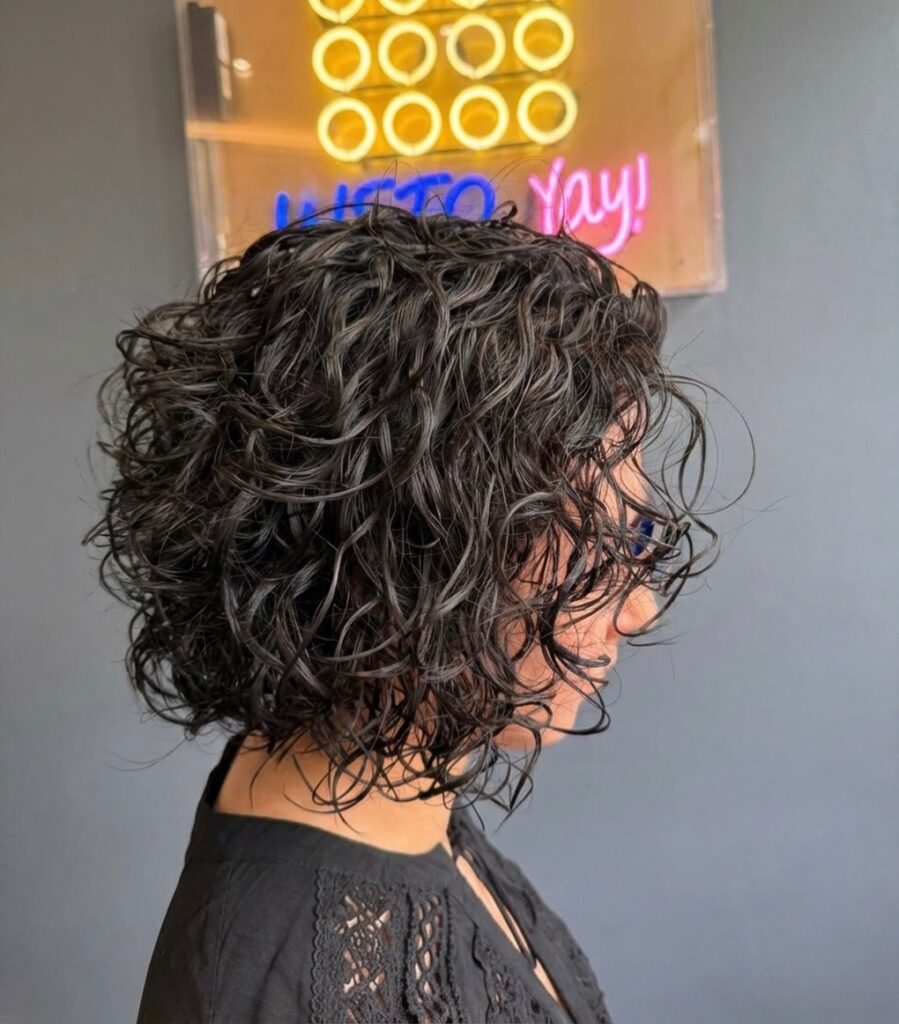
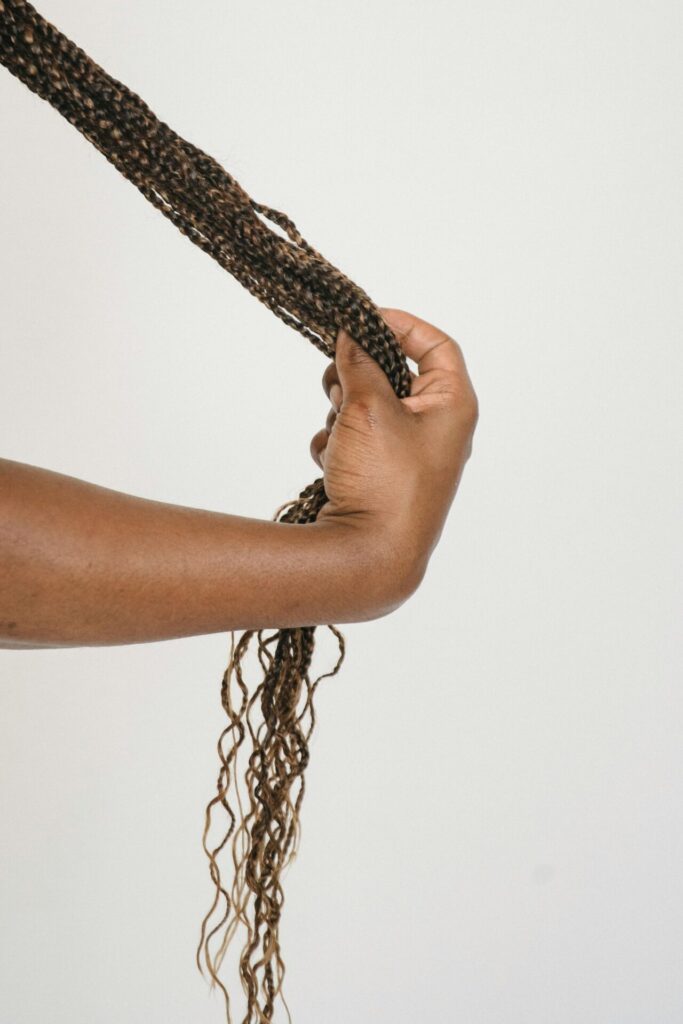
Fine hair tends to look greasy faster because oil travels down the thinner shaft more quickly — washing every one to two days is usually right. Thick or coarse hair holds oil less visibly and benefits from less frequent washing, typically every three to four days, which gives the hair time to absorb its natural moisture. Curly and afro-textured hair has the greatest need for natural oils to stay defined and hydrated — washing once a week or even every ten days is often ideal. Colour-treated hair loses moisture and vibrancy more quickly with frequent washing, so spacing washes to every two to three days and using colour-safe products will extend your results significantly.
Signs You’re Washing Too Often

If your scalp feels tight, dry, or itchy shortly after washing, that’s a classic sign of over-washing. Other indicators include hair that feels rough or straw-like even after conditioning, colour fading unusually fast, and an oily scalp that seems to return within hours of shampooing — a sign your glands are overcompensating. Switching to every other day and introducing a dry shampoo on off days is one of the easiest ways to reset an over-washed scalp.
Signs You’re Not Washing Enough

Hair that feels heavy, flat, or coated with buildup is a clear signal. If your scalp is visibly flaky, itchy, or developing any odour, it’s time to shampoo more regularly. People who work out frequently, swim, or live in high-pollution environments like central London should generally wash more often regardless of hair type — sweat, chlorine, and particulate matter all accumulate and need to be removed properly.
How to Make Each Wash Count
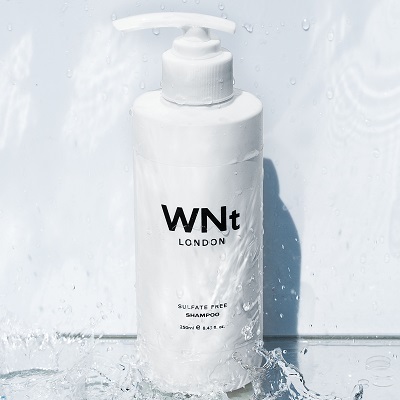
Frequency matters less than technique. Always wet hair thoroughly before applying shampoo, focus the shampoo on the scalp rather than the lengths, and use conditioner from mid-lengths to ends only — never on the roots. A scalp massage while shampooing improves circulation and helps shift buildup more effectively. Finish with a cool rinse to seal the cuticle and add shine. And invest in a good sulphate-free shampoo if you’re colour-treated or naturally dry — harsh detergents do real damage over time, no matter how infrequently you use them.
Still not sure what your hair needs? Book a consultation at Gusto Hair — our stylists will assess your scalp health, hair type, and current routine and give you a personalised wash-day plan that actually works for your hair.