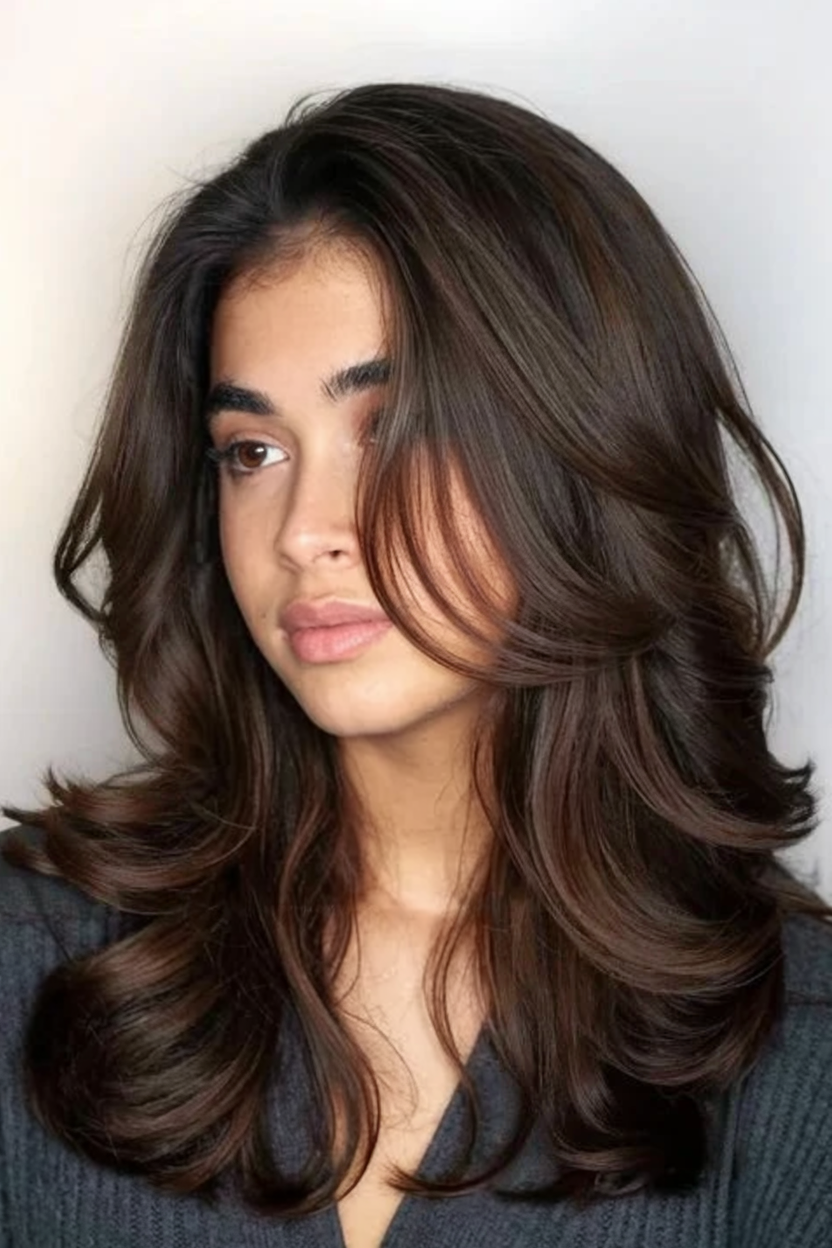
Hair Porosity Explained
If you've ever wondered why your friend's hair drinks up a treatment and shines for days while yours feels coated and greasy after the exact same product, the answer probably comes down to porosity. It's one of those hair terms that gets thrown around a lot but rarely explained properly. Once you understand your hair's porosity, though, everything from choosing the right products to getting a colour that lasts suddenly makes a lot more sense. Here's the plain-English guide.
What Hair Porosity Actually Means
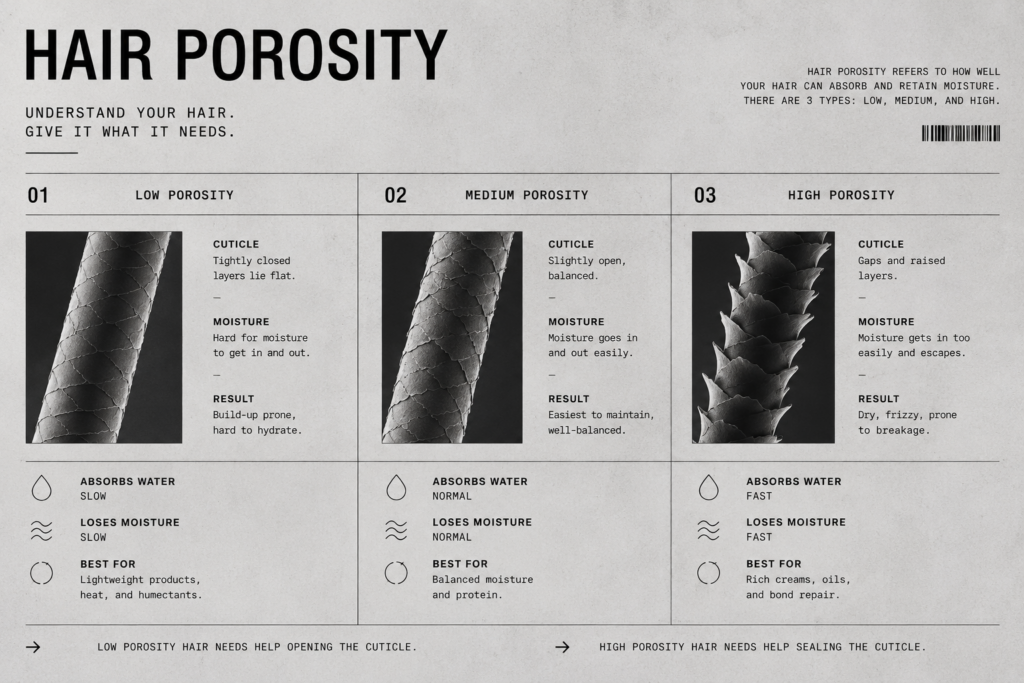
Porosity is simply your hair's ability to absorb and hold onto moisture. Each strand is wrapped in an outer layer called the cuticle, made up of tiny overlapping scales a bit like the tiles on a roof. How tightly or loosely those scales sit determines how easily water, oils, and products get in and out.
When the cuticle lies flat and tight, moisture struggles to penetrate, which is low porosity. When the cuticle is raised or has gaps, moisture rushes in but escapes just as fast, which is high porosity. Somewhere in the middle sits the sweet spot most of us are aiming for. Porosity isn't about whether your hair is thick or thin, curly or straight. It's a separate trait entirely, and understanding yours is the key to working with your hair rather than against it.
The Three Types of Porosity
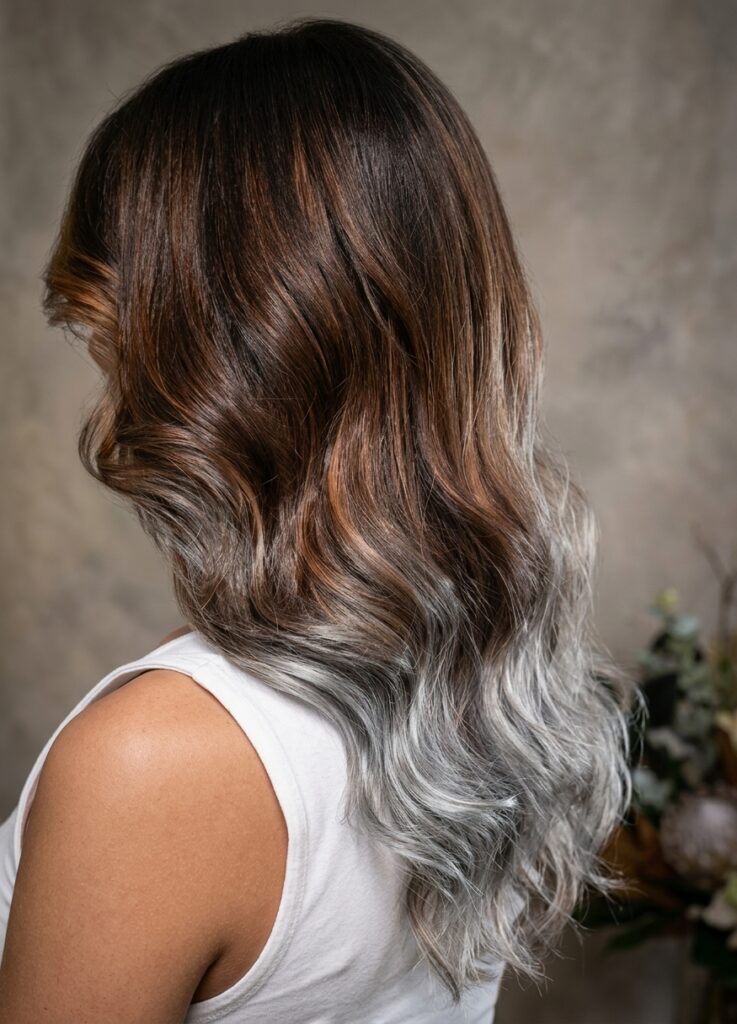
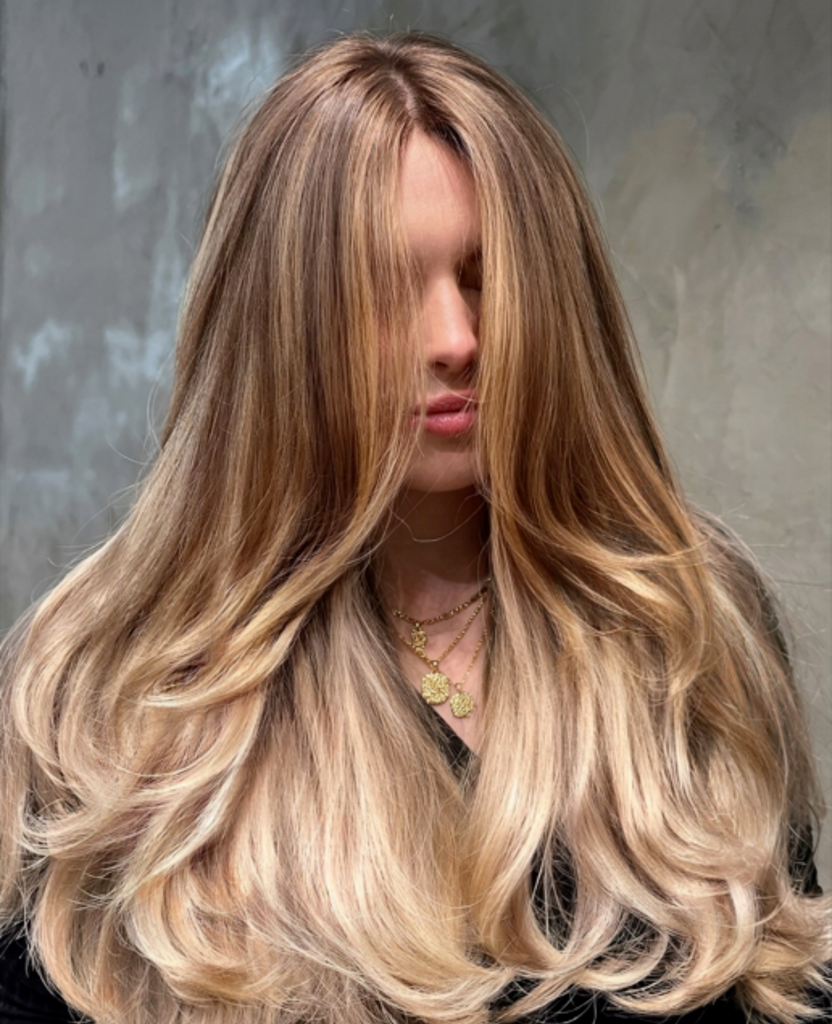 Low porosity hair has a tightly sealed cuticle. Water tends to bead on the surface, products sit on top rather than sinking in, and it can take ages to get fully wet or fully dry. It often feels healthy and resists damage well, but it's prone to build-up because product just lingers.
High porosity hair is the opposite. The cuticle is open or damaged, so it absorbs moisture instantly but loses it fast, leaving hair feeling dry, frizzy, and thirsty. This is common in hair that's been coloured, heat-styled, or chemically treated over time. Medium, or normal, porosity is the happy middle ground. The cuticle is loose enough to let moisture in but tight enough to hold it, so hair feels balanced, takes colour evenly, and generally behaves itself.
How to Test Your Hair's Porosity at Home
 You don't need any special kit to get a rough idea. The classic float test is the easiest. Take a clean strand of shed hair, drop it into a glass of water, and wait a few minutes. If it floats on top, you're likely low porosity. If it sinks slowly, you're around medium. If it drops straight to the bottom, you're probably high porosity.
For a second opinion, try the slide test. Run your fingers up a strand from tip to root. If it feels smooth, your cuticle is flat and sealed, pointing to low porosity. If it feels bumpy or rough, the cuticle is raised, suggesting high porosity. Neither test is laboratory-precise, but together they give a reliable picture, and that's plenty to start choosing products that genuinely suit your hair.
Caring for Each Porosity Type
 Once you know your type, your routine can finally work for you. Low porosity hair loves lightweight, water-based products and benefits from a little warmth. Applying treatments to damp hair and popping on a warm towel or shower cap helps lift the cuticle just enough to let goodness in. Steer clear of heavy butters and oils that simply sit on the surface.
High porosity hair craves richer, more nourishing formulas. Look for creamy conditioners, leave-ins, and sealing oils that lock moisture in, and consider regular protein treatments to help patch up the gaps in the cuticle. Cooler rinses at the end of a wash help close everything down so the moisture stays put. Medium porosity hair is the most forgiving, needing little more than a balanced routine and occasional deep conditioning to stay in great shape. Whatever your type, gentle handling and minimising heat damage keep porosity from drifting in the wrong direction.
Why Porosity Matters for Colour and Treatments
 Here's where it gets really practical. Porosity has a huge influence on how your hair takes colour. High porosity hair grabs pigment quickly but can also fade fast and pull unevenly, while low porosity hair can resist colour and need longer processing. A skilled colourist reads your porosity before they ever pick up a brush, adjusting their formula and timing so the result is even, rich, and long-lasting.
That's exactly the kind of detail that separates a professional finish from a home kit. At Gusto Hair, our stylists assess your hair's porosity and condition as part of every colour and treatment, tailoring everything to how your hair actually behaves. The payoff is colour that lasts, treatments that work, and hair that finally feels balanced.
Want hair care that's matched to your hair, not guesswork? Book at Oxford Street | Book at Covent Garden.