Hair Colour Remover: What It Does and When to See a Colourist
You have dyed your hair and it has not gone to plan. Too dark, too flat, too orange, or simply not you. A hair colour remover is the first thing most people search for, and it can work, but only in the right situation. Here is how colour removers actually behave, where they fall short, and when it is smarter to see a colourist.
What does a hair colour remover actually do?
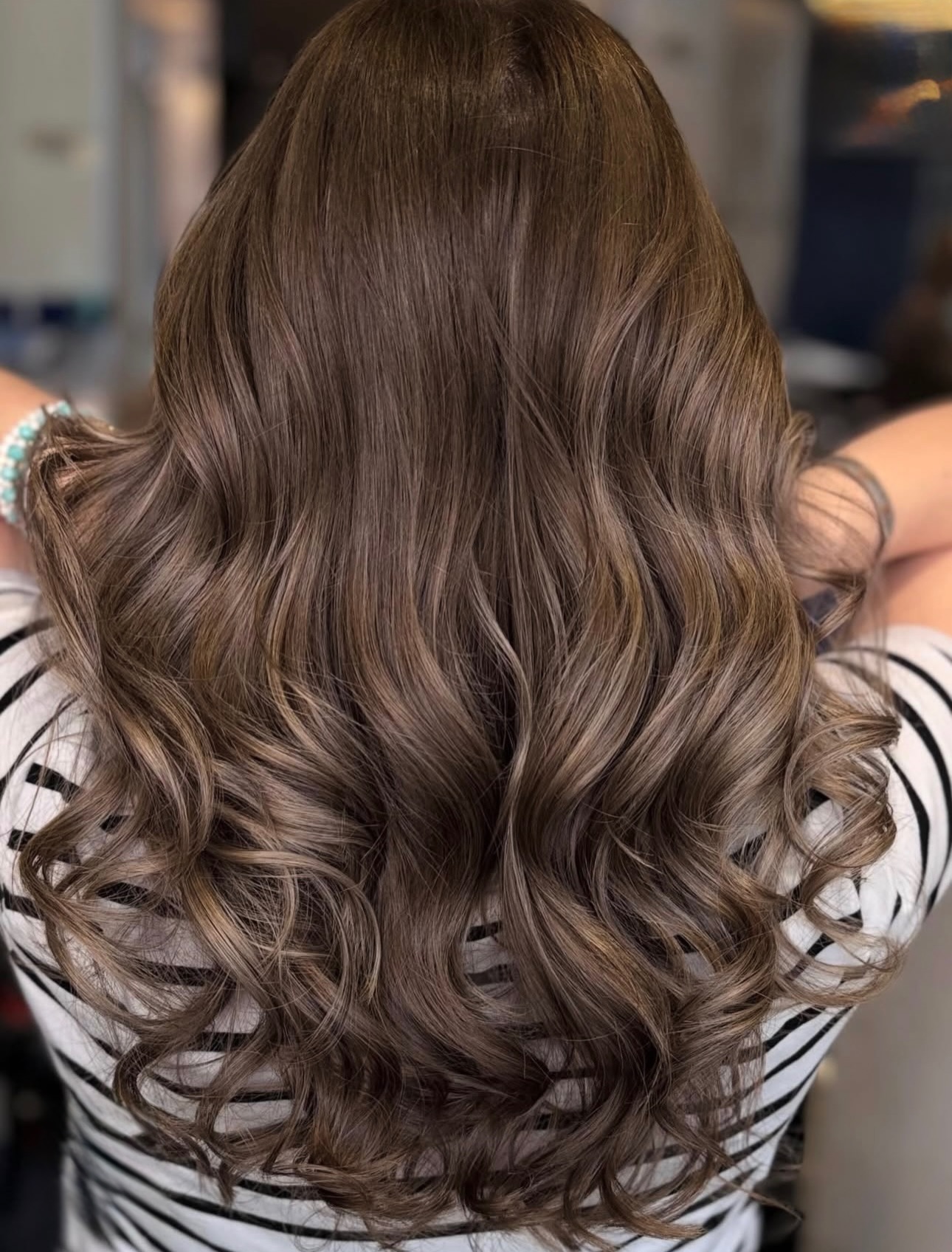
A colour remover, sometimes called a colour stripper or colour reducer, shrinks artificial dye molecules inside the hair so they can be rinsed out. It targets artificial pigment, not your natural colour, which is why it is not the same as bleach.
That is the appeal. A remover does not lighten your natural pigment, so it is gentler than bleach and can take you back towards your own base colour, or at least to a shade you can work with.
Colour remover vs bleach

Bleach lifts pigment, including your natural pigment, to make hair lighter. Colour remover removes artificial dye and stops there. If your hair was dyed darker than your natural colour, a remover can bring it back towards your own shade. If you want to go lighter than your natural colour, you need lightening, not a remover.
Neither is a quick fix. Both change the structure of the hair, so the condition of your hair before you start matters a great deal.
Why results can be unpredictable at home

Box colour removers are a gamble because every head of hair holds dye differently. Several things can go wrong. The hair may lift to a warm, orange or patchy tone, because the pigment underneath was hidden by the dye. Dye built up over years in the lengths can come out unevenly compared with the roots. And if the hair has already been bleached or damaged, the process can leave it dry and fragile.
Removers also work best on dye that sits inside the hair. They tend to struggle with some very dark or heavily built up colours and may need repeating. Always do a strand test first, and follow the instructions closely. If a home colour has already gone wrong, our guide to repairing home bleach damage and our post on removing black hair dye are good places to start.
What a colourist does differently
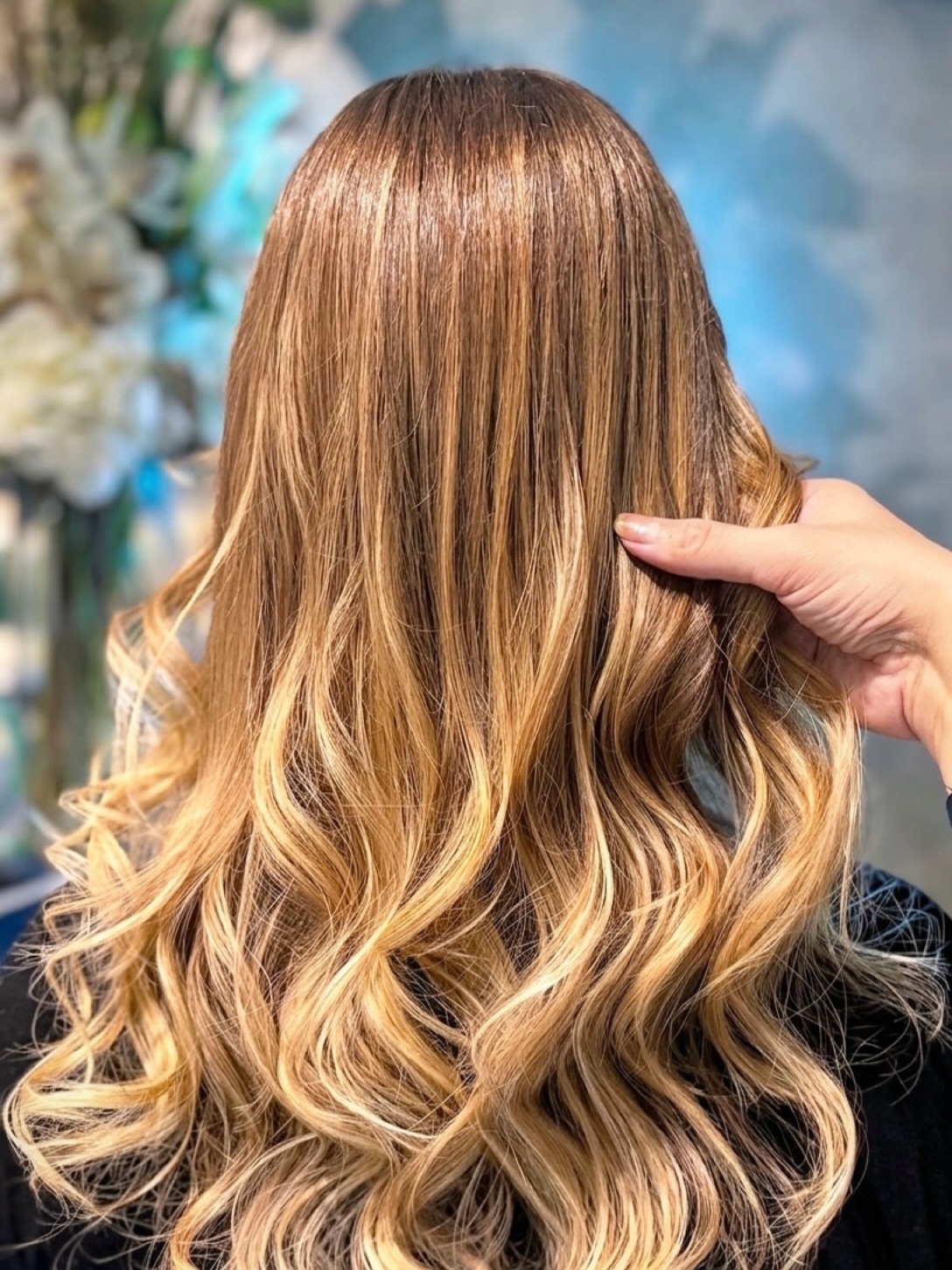
Colour correction is a planned process, not a single product. At Gusto we begin with a consultation and a strand test, because we need to see how your hair responds before anything goes on the whole head. From there we choose the safest route: a colour remover where it will work, controlled lightening where it will not, and then a custom tone to land on the shade you actually want.
Often that is done in stages to protect the condition of your hair, which is why correction can take more than one visit. You can read more in our guide to hair colour correction and our look at modern correction techniques.
Looking after your hair afterwards

Hair that has been through colour removal needs gentle treatment. Use a colour-safe shampoo, keep heat styling low, and add a repairing mask such as WNt Revive to restore softness and shine.
Not sure whether to try a remover or book a correction? Come in for a consultation and we will tell you honestly what your hair can take and what to do next.