
Black to Blonde Hair
Going from black to blonde hair in 2026 is absolutely doable, but it’s a journey, not a one‑appointment miracle.
Why black to blonde is such a big deal in 2026
If your hair is naturally or dyed black, it’s packed with melanin, which makes it the hardest shade to lift safely. Bleach has to break through deep red, orange and yellow stages before you ever see that cool blonde you’re probably picturing.
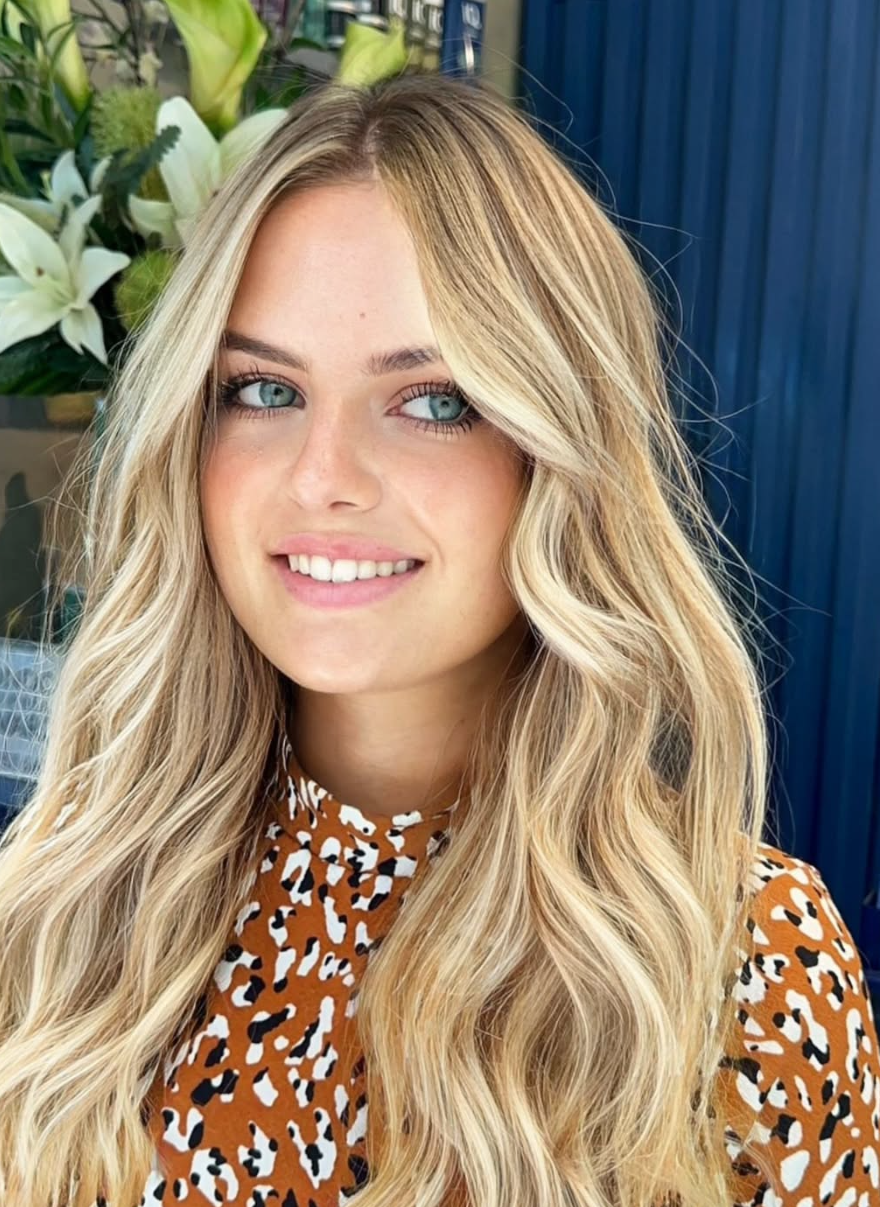
In 2026, hair colour is all about “Blanche” and “pure” blondes – bright, hue‑free tones that look clean and expensive rather than yellow or brassy. At the same time, there’s a big move towards lived‑in blondes, root melts and soft balayage that grow out gently, which is ideal when you’re transitioning from very dark to light.
Realistic timeline: how many sessions?
Think of black‑to‑blonde as a series, not a single episode.
Most people need multiple bleaching sessions, typically between 2 and 4 visits, depending on hair health, history and how light you want to go.
Box‑dyed black usually takes longer to lift than natural dark hair and can need 4 or more sessions to reach a very light blonde.
You should never bleach twice in one day; hair needs recovery time between lightening appointments to avoid breakage and snapping.
Each session is usually paired with deep conditioning or bond‑building treatments so your hair stays intact as it gets lighter.
An example path many stylists now favour for 2026: start with a brunette‑to‑“bronde” phase (caramel and toffee highlights), then step up to brighter, cleaner blondes once your hair proves it can cope.
2026‑ready blonde ideas from black hair
You don’t have to jump straight to icy platinum to look modern. These are very on‑trend right now:
Bright, dimensional blonde: multi‑tonal blondes with a mix of lighter and slightly deeper pieces for shine and movement, especially flattering on textured and curly hair.
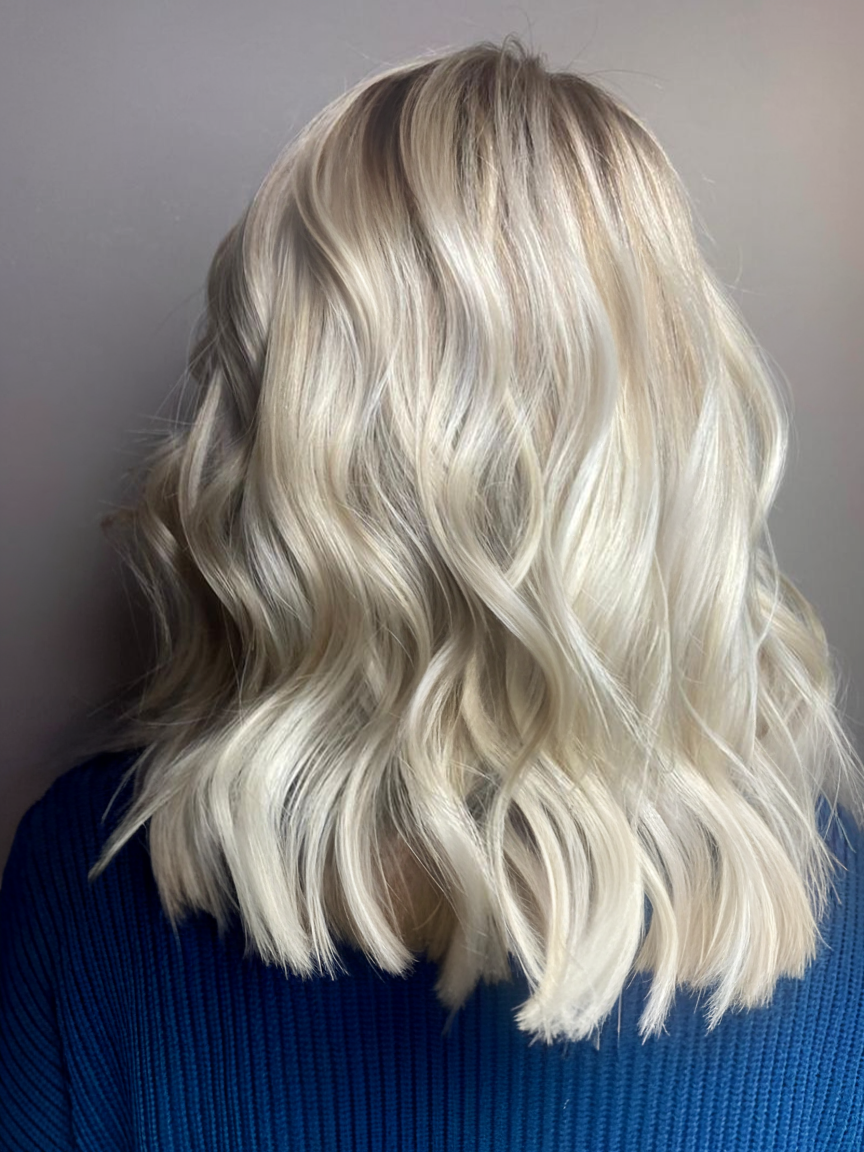
Lived‑in balayage: dark roots melting into caramel, beige or pearl lengths, giving that effortless, low‑maintenance finish that’s huge in 2026.
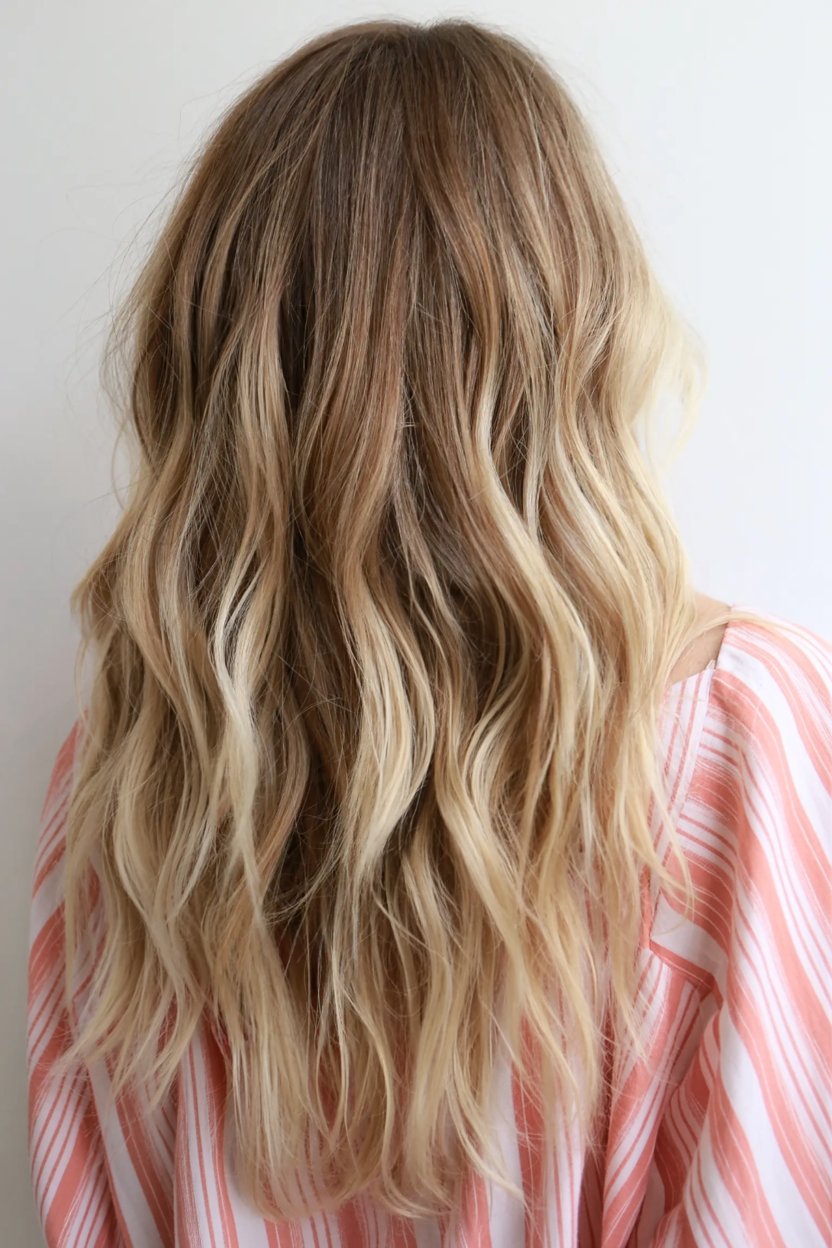
Caramel bronde: a mid‑step between black and blonde that uses warm caramel and honey ribbons to soften the contrast while your hair builds strength.
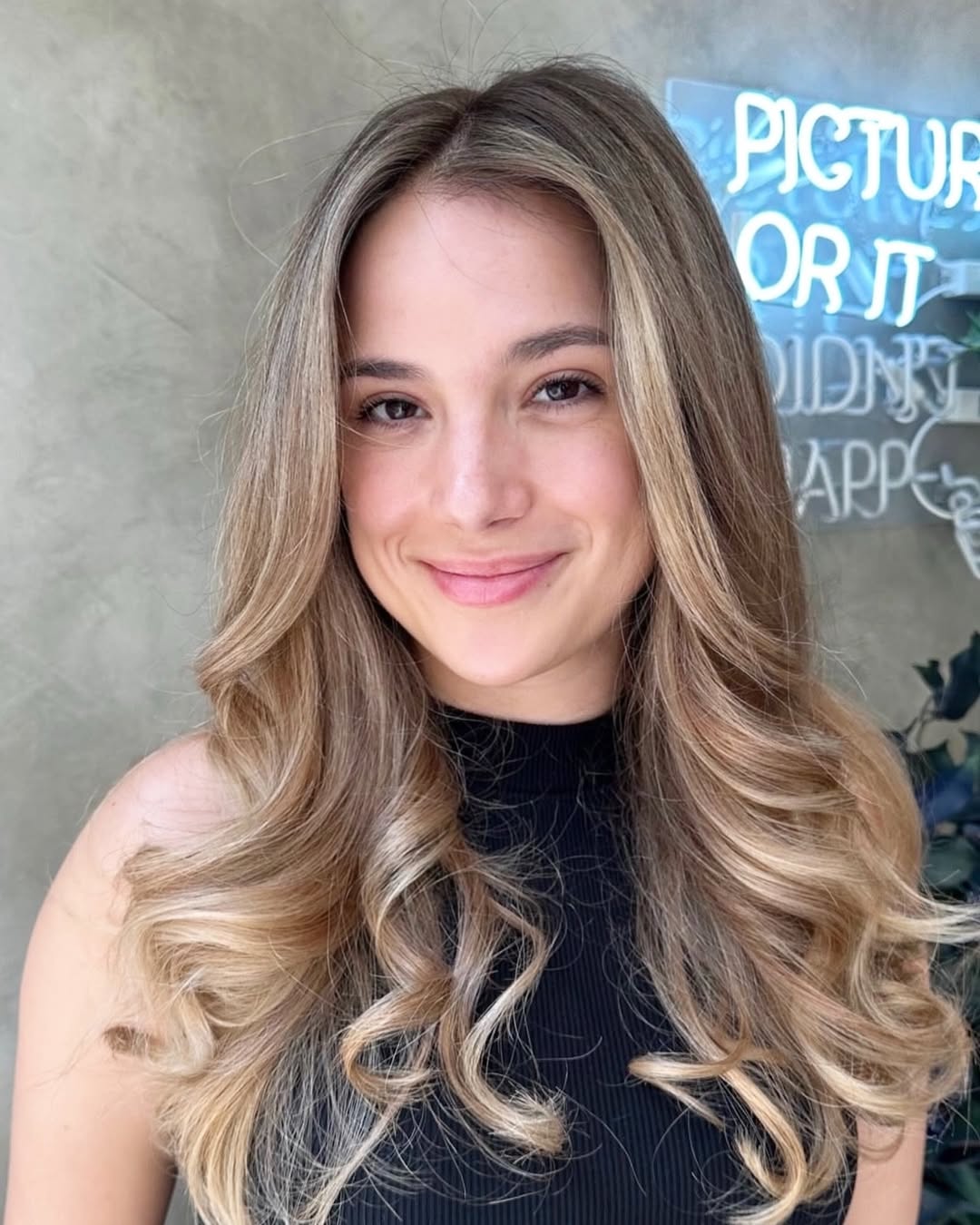
Quick trend table for inspiration
| 2026 blonde look | Best for starting from black hair? | Why it works in 2026 |
|---|---|---|
| Bright dimensional blonde | Yes, as a mid–late goal | Multi‑tonal, glossy, enhances curls and waves. |
| Lived‑in balayage | Ideal starting approach | Softer grow‑out, less damage, suits low‑maintenance routines. |
| Caramel bronde | Perfect first step | Easier lift, kinder to hair, very on‑trend for 2026. |
Protecting your hair during the transformation
Lightening black hair always involves compromise, but 2026’s tech and techniques are firmly on your side.
Bond builders: Salon‑grade bond treatments (like Olaplex‑type systems) can be mixed into bleach to help protect the internal structure of your hair as it lifts.
Right developer strength: A trained colourist will choose the correct developer volume for your hair rather than defaulting to harsh, fast‑acting formulas.
Deep conditioning: Weekly masks are essential because bleaching strips moisture; they help prevent dryness, snapping and roughness.
Heat discipline: Lightened hair is more vulnerable, so keep hot tools to a minimum and always use a heat protectant when you do style.
Regular trims: Tiny, frequent trims every six to eight weeks keep ends tidy and stop splits travelling up the hair shaft.
In between sessions, think of your hair like a favourite knit jumper: gentle washing, lukewarm water and minimal rough handling all help it last longer.
Keeping your 2026 blonde fresh, not brassy
Once you’ve hit your version of blonde, the aftercare is what keeps it looking modern rather than tired.
Purple shampoo: A good violet‑toned shampoo once or twice a week helps cancel yellow tones and keeps blonde looking cooler for longer.
Gloss and toner: Salon glossing and toning services refresh your shade, add shine and keep it sitting in that current “clean blonde” zone.
Sulphate‑free products: These are gentler on colour‑treated hair and help maintain your natural texture, especially important if you’ve used bleach.
Spaced‑out appointments: Root stretching, balayage and colour‑melt techniques mean you can extend time between visits without awkward banding or harsh regrowth lines.
If you like to change things up, 2026 is forecast to be full of “slow transformations” – softer tweaks to tone and placement rather than constant full‑head bleach.
Why a good salon matters for black‑to‑blonde
Going blonde from black is one of the most technical colour services you can ask for, and it’s where an experienced colourist really earns their stripes. They’ll look at your hair history, texture, lifestyle and 2026 trend references (think Blanche blondes, buttercream tones and lived‑in melts) to create something that’s aspirational but still realistic for your hair.
If you’re in or around London and ready to start your black‑to‑blonde journey, our award‑winning stylists at Gusto Hairdressing can guide you through every stage – from your first caramel ribbons to your dream, future‑proof blonde. Ready to make the leap? Book your consultation today.