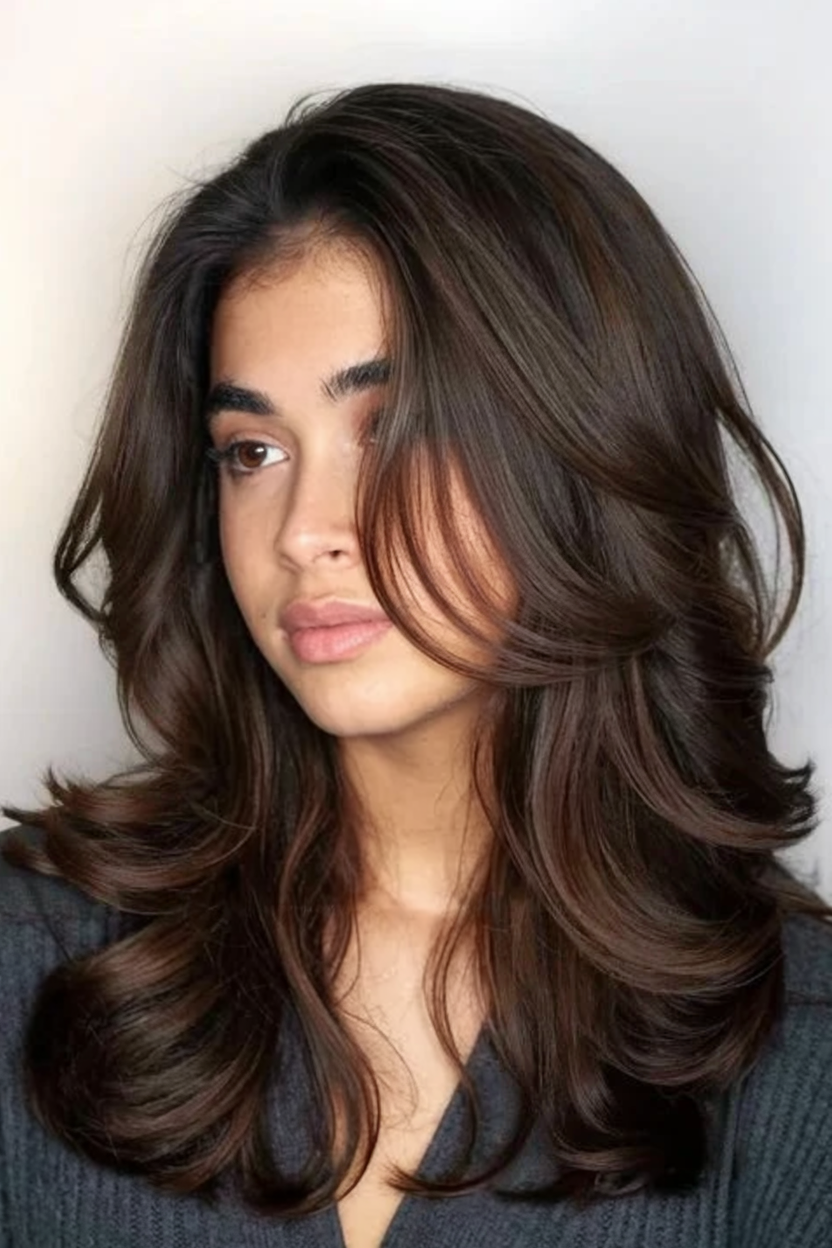
The Butterfly Bob: 2026’s No-Blow-Dry Bob
There is a version of the bob doing the rounds this summer that does not ask much of you. No round brush, no diffuser, no ten minutes with a straightener before anyone sees you. It is called the Butterfly Bob, and it has quietly become one of the most requested cuts of the season without anyone having to argue for it.
What Makes It a Butterfly Bob
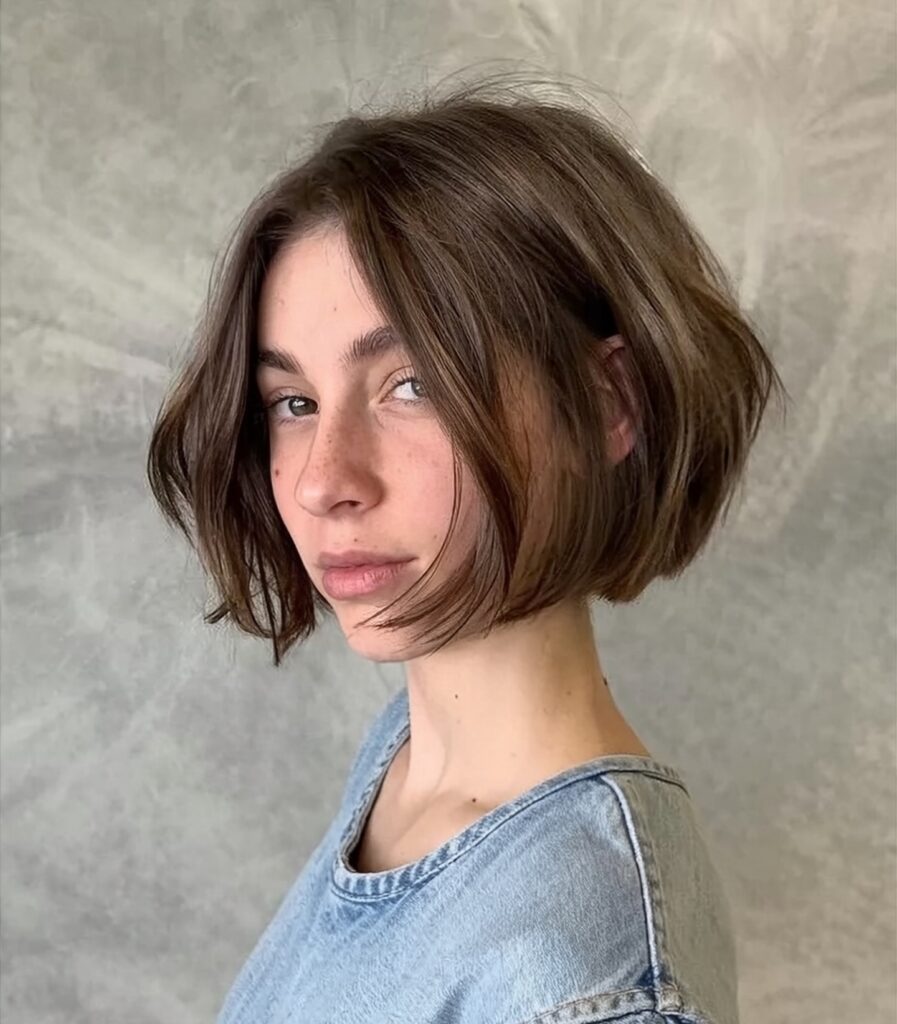 Take the movement of a butterfly cut, the graduated layering that builds volume through the crown, and shorten it to bob length. That is the whole idea. The layers open like wings when you tip your head forward, then settle back into shape on their own. Face-framing pieces fall anywhere from the cheekbone to the eye, depending on how much softness you want at the front.
It is a close cousin of the longer butterfly styles that have been popular for a few summers now, but the bob length changes the character of the cut entirely. Shorter hair holds the shape with far less effort, which is most of the appeal.
Why It Is Having a Moment
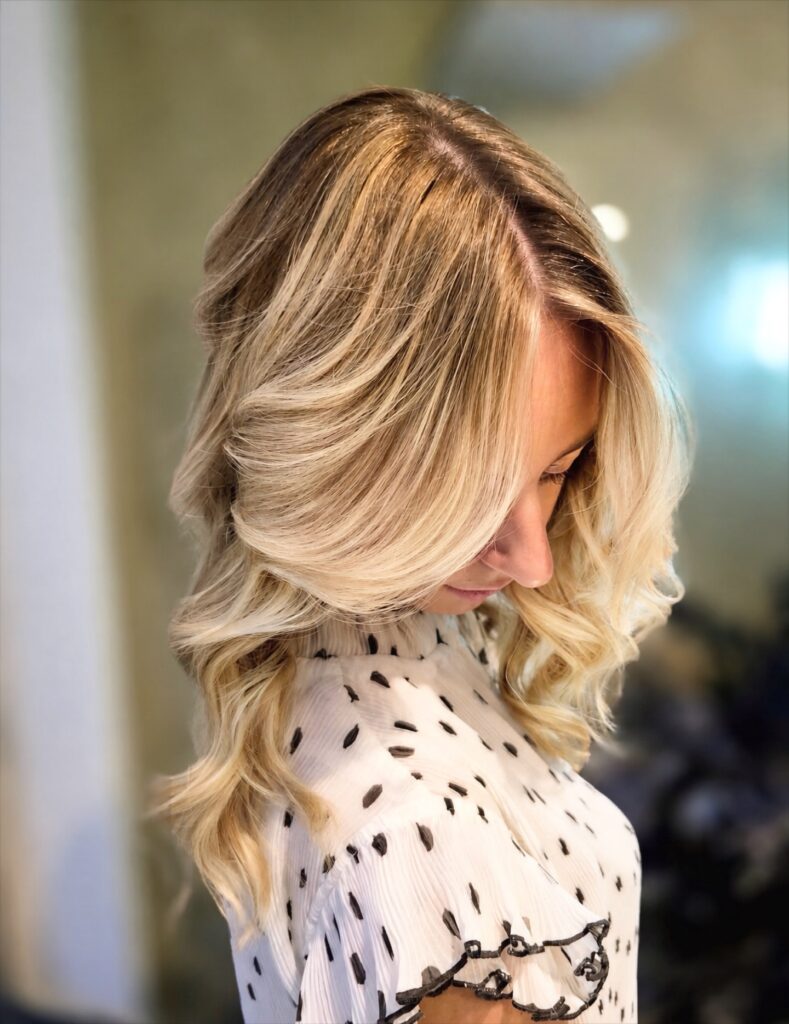 Hair has been getting softer and less "done" for a while now, and the Butterfly Bob is what that looks like at bob length. It is not a style you set with heat and hope survives the day. The layering does the work the styling used to do.
That matters more in a city that does not care about your hair plans. London humidity has never respected a blow-dry, and this cut is built to move with damp air rather than fight it.
Who Actually Suits It
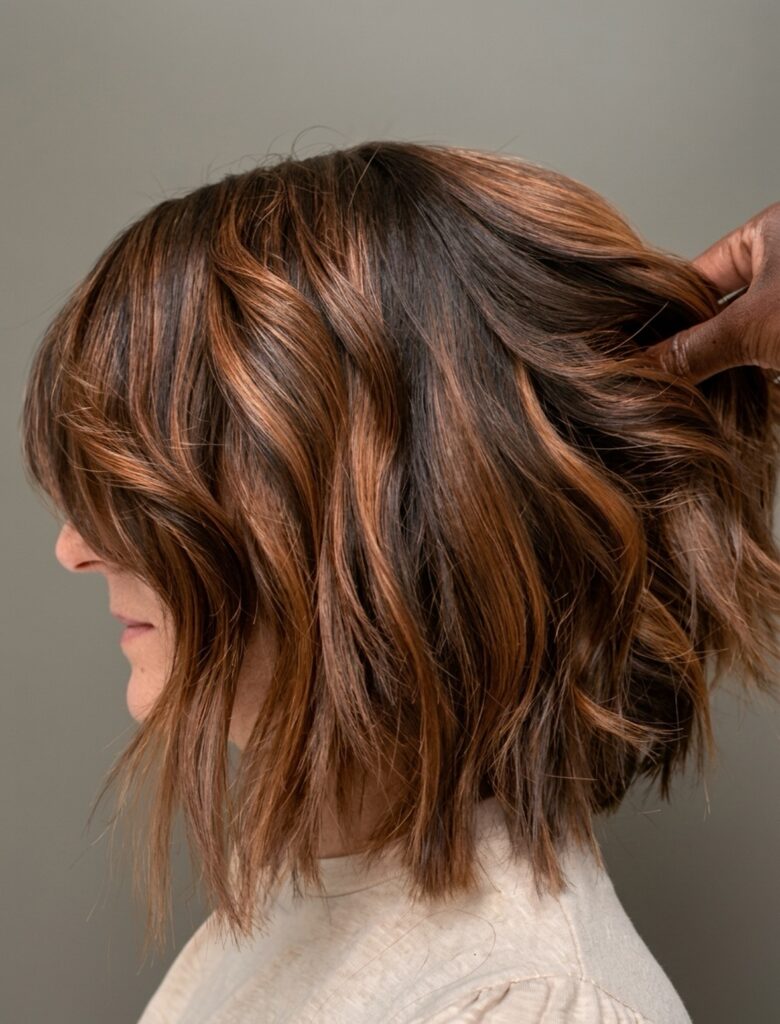 Most hair types take to it well, which is unusual for a layered cut. Fine hair gets genuine volume at the crown without extensions or a dozen product steps. Thicker hair gets weight taken out where it usually sits heaviest, around the jaw, so it swings rather than blocks.
It works on waves and loose curls particularly well, since the layers give the curl pattern somewhere to go instead of clumping into one shape. Poker-straight hair can wear it too, though it will need slightly more attention at the ends to stop it reading as a plain graduated bob.
How to Ask For It Without Getting a Regular Bob
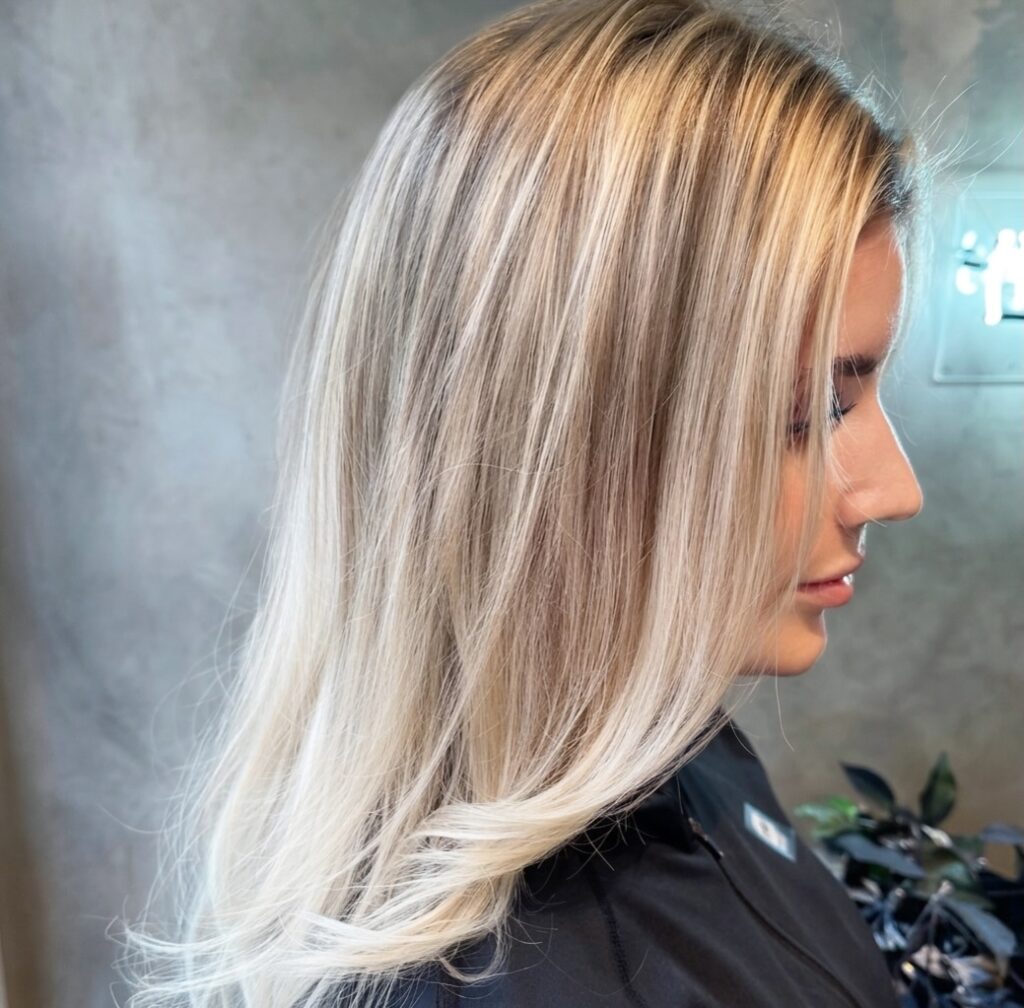 Bring a photo. "Butterfly Bob" means different things to different search engines, and the difference between this and a standard graduated bob comes down to where the shortest layers sit and how much they are thinned. Ask specifically for layering concentrated at the crown rather than throughout, and face-framing pieces cut with a razor rather than blunt shears for softer movement.
Tell your stylist how much effort you actually want to put in on a Tuesday morning. This cut is built for air-drying, but the amount of natural texture in your hair changes how it settles, and a good consultation accounts for that before a single cut is made.
Keeping the Shape Between Cuts
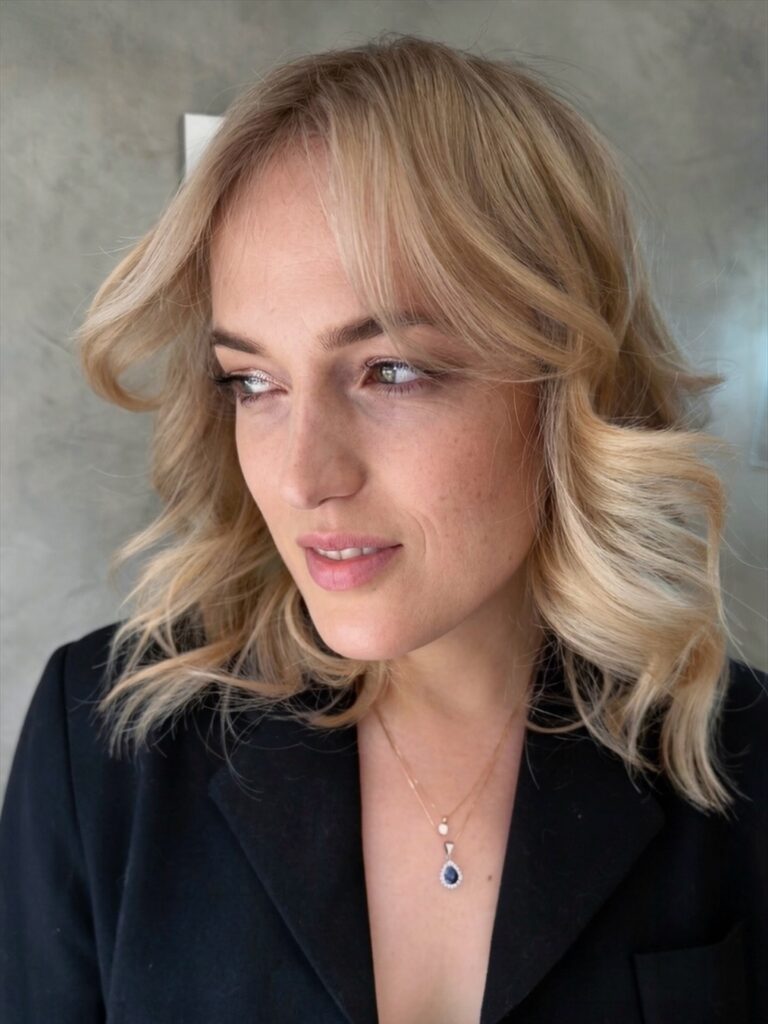 The layering is the whole point, so it grows out faster than a one-length bob in terms of losing its shape, even though the length itself grows slowly. A trim roughly every eight to ten weeks keeps the crown layers doing their job instead of blending into the rest of the length.
Beyond that, it needs less than most bobs. A light texturising spray on damp hair and a scrunch as it dries is usually enough. Save the heat tools for days you actually want a different look.
The Butterfly Bob is easy to get wrong and genuinely low effort once it is right, which is exactly why it is worth getting from someone who cuts bobs for a living rather than chasing it yourself between appointments.
Book a consultation at Gusto Hair, Oxford Street or Covent Garden, and bring your reference photos. Book at Oxford Street | Book at Covent Garden