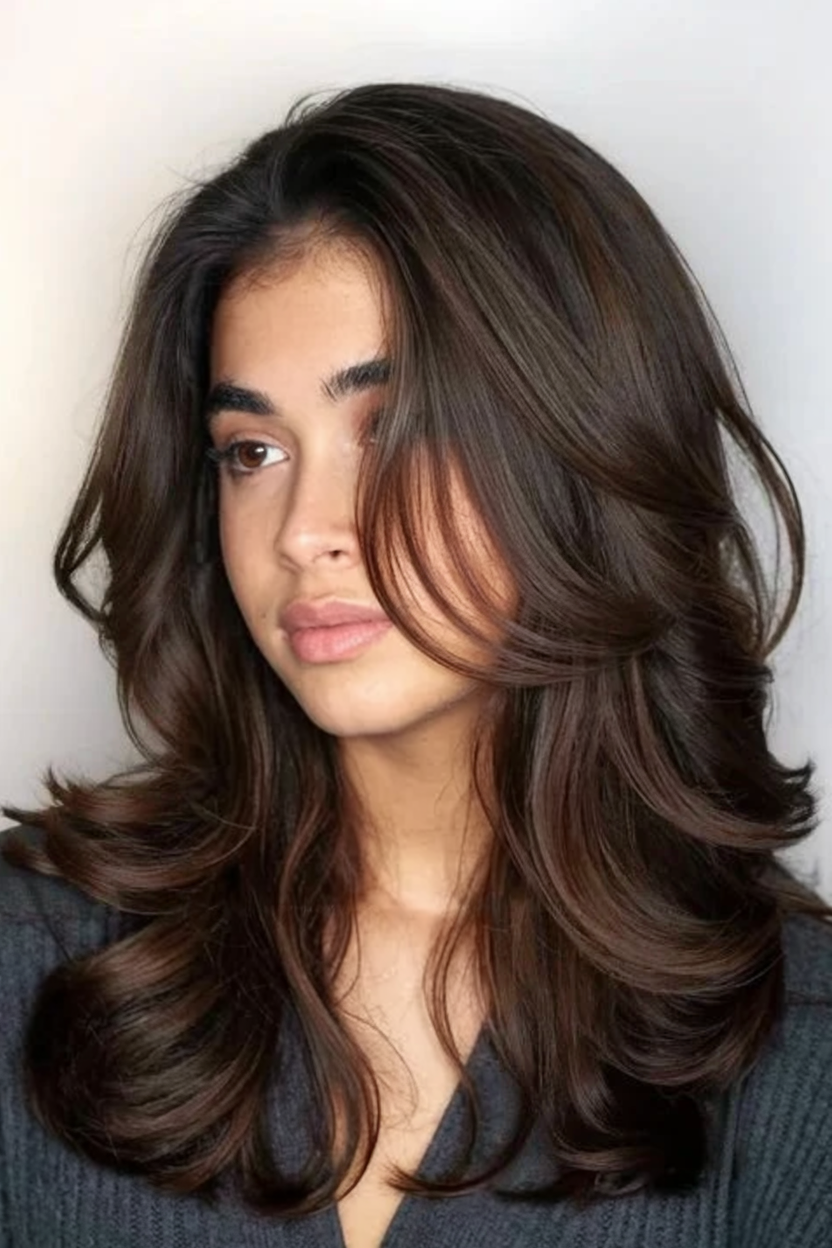
The Birkin Fringe: The It-Girl Fringe Everyone’s Booking
There's a fringe having a moment again, and it's not the blunt, full-across style you're picturing. The Birkin fringe (named for Jane Birkin, whose feathered, slightly-parted fringe has been the reference image on salon phone screens all year) is softer, wispier, and a lot more forgiving to grow out. It's the fringe your favourite off-duty model or "quiet luxury" influencer is wearing, and 2026 is the year it went from niche throwback to genuinely one of our most requested cuts.
What actually is a Birkin fringe

Think of it as the sophisticated cousin of the curtain fringe. It's longer than a classic fringe, usually sitting somewhere between the brow and the cheekbone, with a soft centre part that blends into the rest of your layers rather than sitting as a separate block of hair. The ends are cut with a razor or point-cutting technique so there's no hard line, just movement. It's undone, slightly tousled, and designed to look like it grew that way naturally, even though it takes a skilled cut to get there.
Where the trend came from
Jane Birkin wore a version of this fringe for decades and it never really left the moodboards of hairstylists. What's changed is the internet's appetite for "old money" and "French girl" aesthics, both of which lean on soft, imperfect fringes rather than anything too polished. Add in a wave of red carpet appearances and street style shots referencing 60s and 70s icons, and the search volume around "Birkin fringe" and "Birkin bangs" has climbed steadily through 2026.
Who it actually suits
This is the fringe's biggest selling point: it's genuinely flattering on more face shapes than a blunt fringe. Because it's longer and worn with a soft part rather than straight across, it softens a square or angular jaw, adds width to a narrower face, and doesn't shorten the forehead the way a full fringe can. If you've been told a fringe "won't suit you" in the past, this is often the one your stylist will suggest instead, and it's worth a proper consultation on what works for your face shape before you commit to length.
How to ask for it in the chair
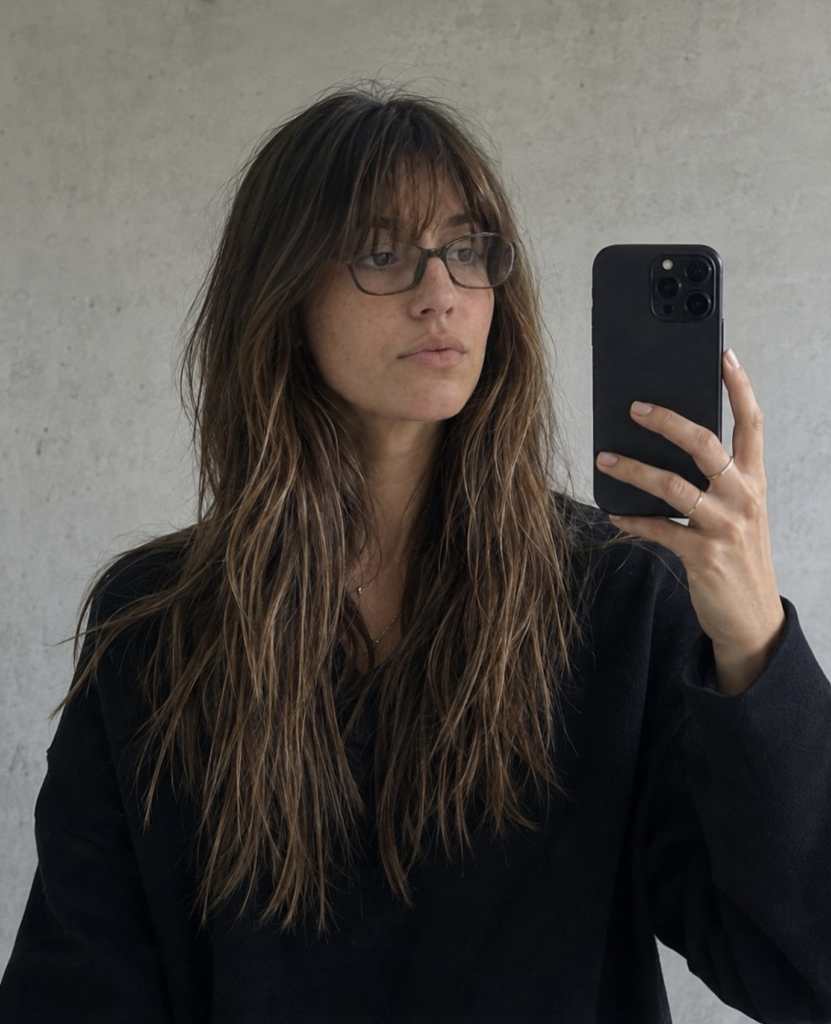
Bring a photo, but be specific about the details that matter: you want it cut dry, with a razor or point-cutter rather than blunt shears, and blended into your layers rather than treated as a separate section. Ask for it slightly longer than you think you want, since a fringe that's too short can't be undone, and a longer Birkin fringe is easy for your stylist to bring up in future appointments. If you're still deciding whether to take the plunge at all, our stylists talk through exactly this in should I get a fringe.
Styling it day to day
The appeal here is low effort. Rough-dry with your fingers and a light texturising spray, and you're mostly done. A small round brush and ten seconds with the hairdryer will smooth it out for a more polished day, but the whole point of the Birkin fringe is that it doesn't need to look freshly styled to look good. The one thing worth watching is oil build-up, since fringes sit against your forehead and pick up product and natural oils faster than the rest of your hair; if that's already a issue for you, our guide to keeping a fringe from getting greasy is worth a read.
Maintenance and how often to trim
Because it's cut with movement rather than a hard line, a Birkin fringe grows out more gracefully than a blunt one, but it still needs regular attention to keep the shape. Most of our clients come in every four to six weeks for a fringe-only trim between full cuts. It's a quick appointment, and it's the difference between the fringe looking deliberately soft and just looking like it needs a cut.
Book at Oxford Street or Covent Garden for a Birkin fringe consultation with one of our stylists.