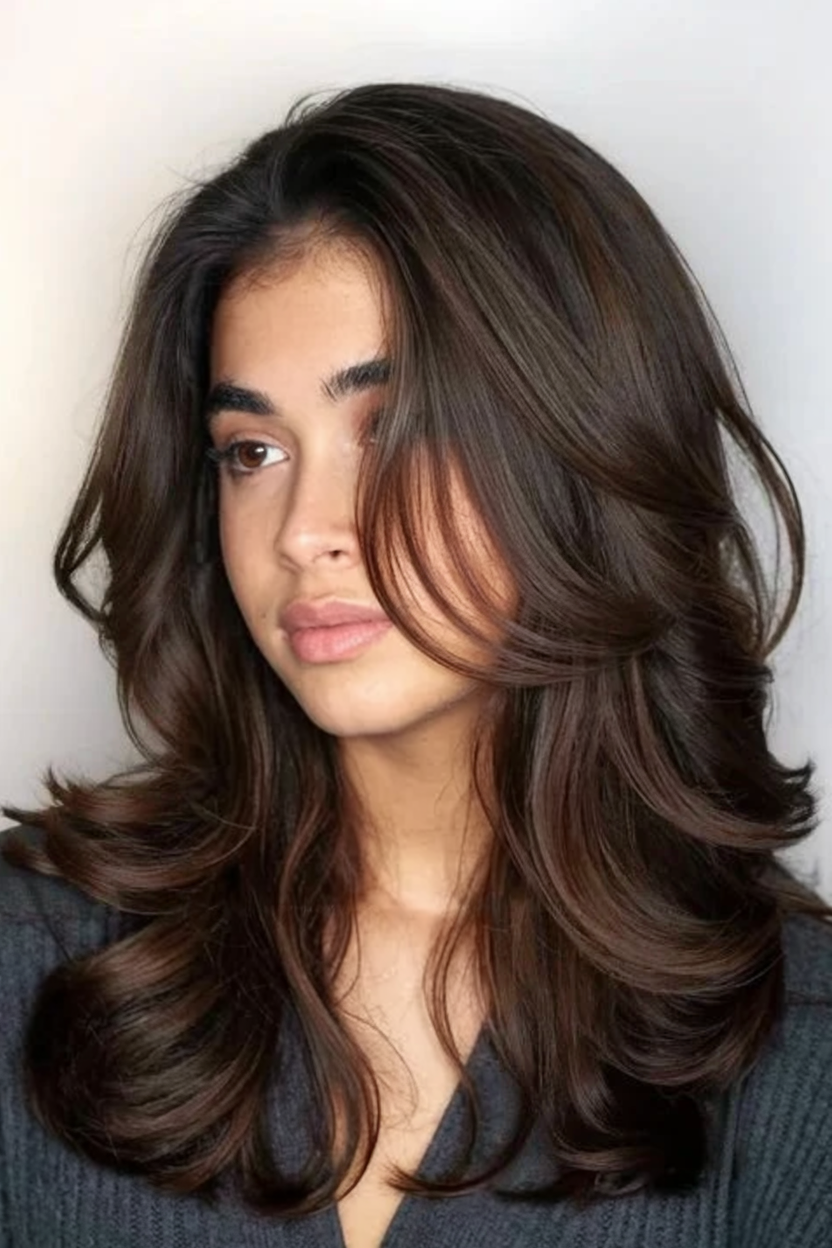
Tape-In Extensions in 2026: The Lived-In Length Everyone Wants
Hair extensions used to mean one thing, big, voluminous, unmistakably "done" hair. That's shifted this year. The extension look everyone's actually asking for in autumn 2026 is quieter than that: soft, natural length that reads as your own hair having a really, really good day, not as a separate purchase clipped in for the occasion. If you've been extension-curious but put off by the idea of looking obviously extended, this is the moment to book a consultation.
The Shift From Big Hair to Lived-In Length
The old extension aesthetic was about maximum volume and maximum length, hair that announced itself. What's landing now is closer to the ends you'd get from years of careful growing-out and gentle layering, softly point-cut, slightly imperfect, with the kind of movement that doesn't look engineered. It's a harder look to fake with a wig or a clip-in bought online the night before, which is exactly why it's driving people back into salons for a proper, professionally placed set. Done well, nobody clocks that anything's been added, they just clock that your hair looks incredible.
Tape-In vs Clip-In vs Weft: Which Suits You?
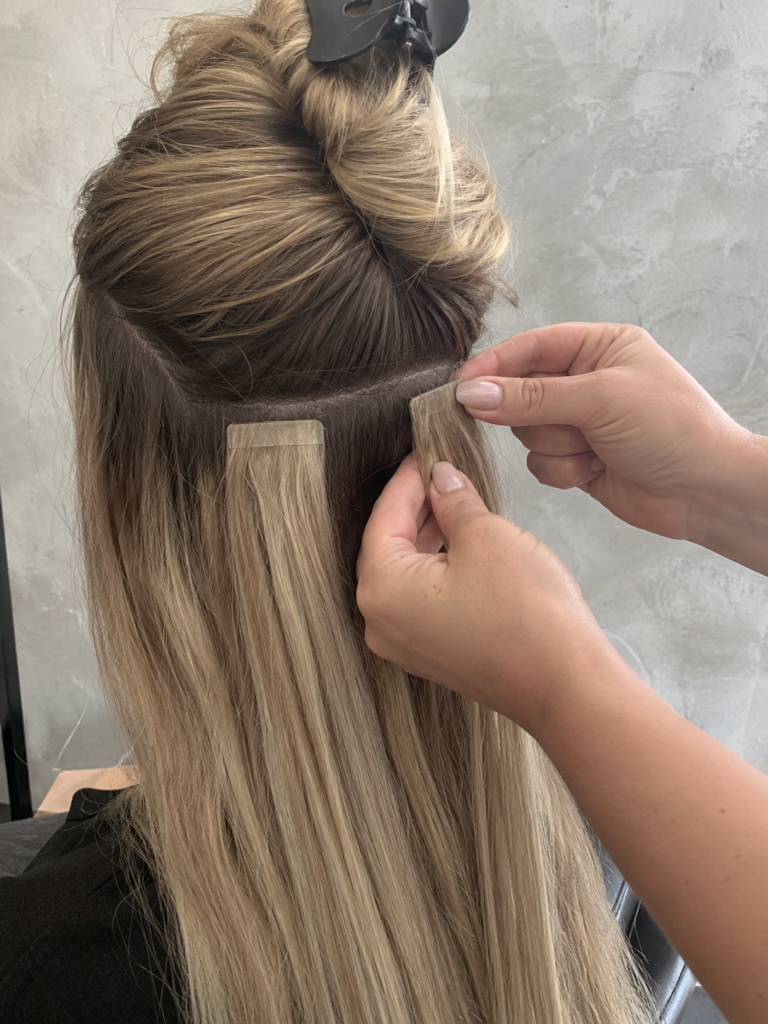
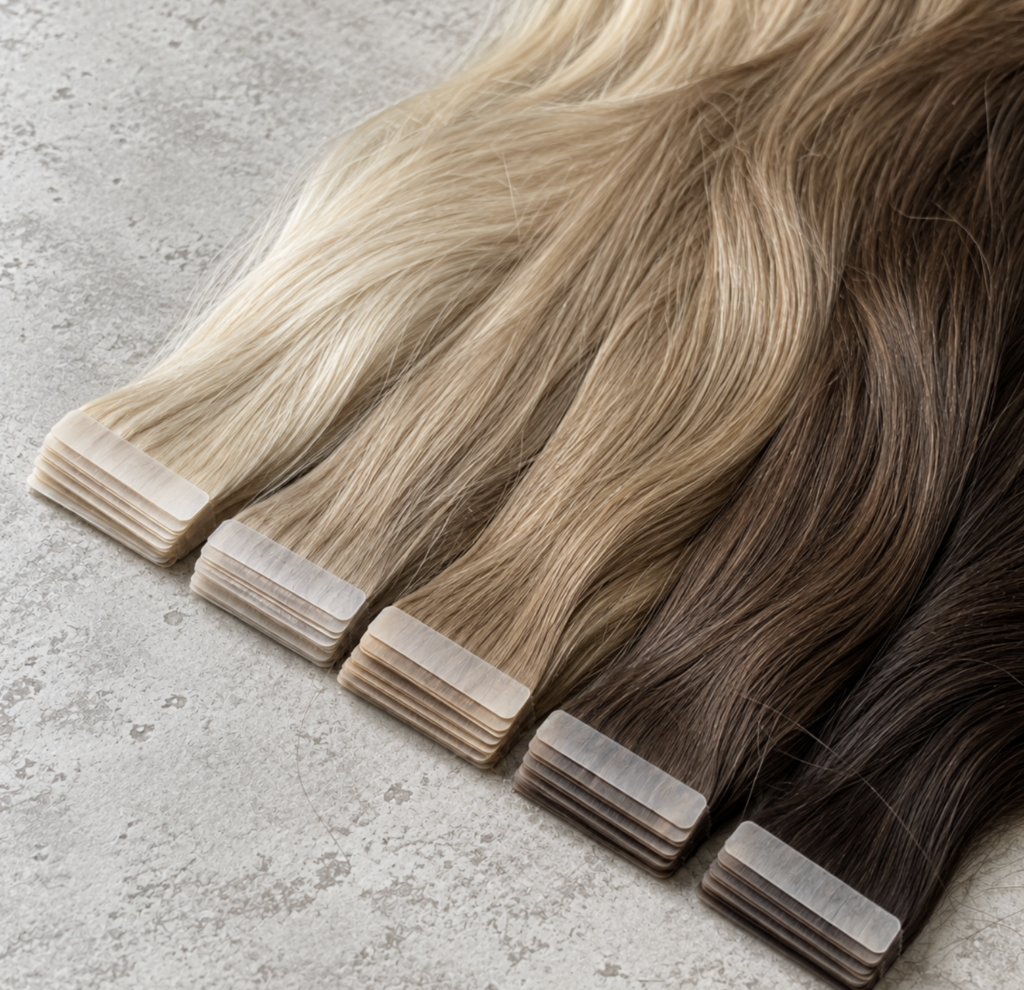
The method matters as much as the hair itself. Tape-in extensions use thin, pre-taped wefts sandwiched around small sections of your natural hair, they lie flat, feel lightweight day to day, and are the best option if you want something semi-permanent that survives a few months of normal life, including the gym and the odd big night out. They typically need repositioning every six to eight weeks as your hair grows.
Clip-ins are the low-commitment option, in and out in minutes, ideal if you want extra length or volume for specific occasions, a wedding, a holiday, a big event, without any ongoing maintenance. They're not something you'd wear daily, but for a one-off transformation they're hard to beat.
Weft extensions (sewn or beaded in) sit at the other end of the spectrum, longer-lasting and able to carry more length and volume than tape-ins, but a bigger commitment in both the initial appointment and the upkeep. We'd generally point clients here if they're after significant length change rather than a subtle boost.
There's no universally "best" method, it depends on your hair density, how often you're willing to come in for maintenance, and how much length you actually want to add. That's a conversation worth having properly, not guessing at from a product page.
Cost is worth factoring in honestly too. Tape-ins sit in the middle in both price and commitment, clip-ins are the cheapest way to test whether extensions suit you at all before spending more, and wefts are the biggest investment of the three, both upfront and in the maintenance appointments that follow. None of that should put you off, it's just useful to know before you fall in love with a look in a reference photo without knowing what it actually takes to get there.
What to Ask for at Your Consultation
If you want this season's natural, undetectable look specifically, say that in the consultation, in those words. Ask for wefts blended at multiple lengths rather than one uniform length, and for point-cutting through the ends once they're placed, this is what creates that soft, grown-out movement rather than a hard, obvious line where your real hair stops and the extension starts. Colour match matters more than people expect too, bring your hair into natural daylight if you can during the consultation, salon lighting can flatter a match that looks slightly off the moment you step outside.
It's also worth being upfront about your hair's current condition. Fine, fragile, or chemically processed hair can still take extensions, but the method and the weight of hair used needs adjusting so you're not putting strain on hair that's already under pressure.
Making Them Last
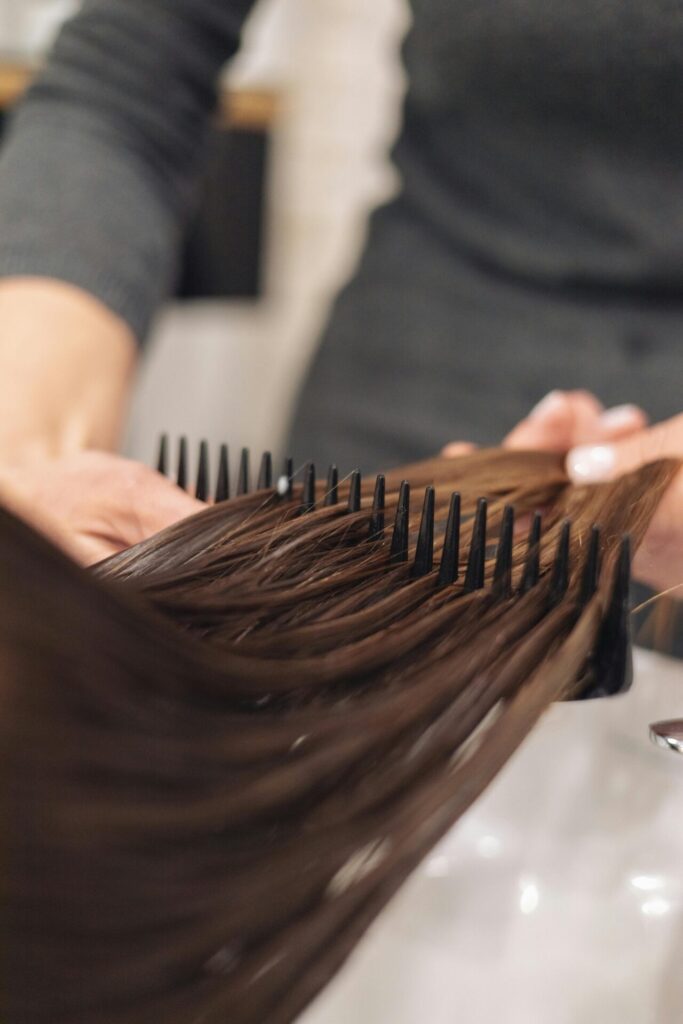
Once they're in, a little routine care goes a long way, and we've put together a full guide on this in maintaining hair extensions, covering everything from the right brush to how to sleep without tangling the wefts overnight. The short version: sulphate-free shampoo, conditioner kept away from the bonds themselves, and a wide-tooth brush used gently from the ends up, not dragged straight through from root to tip.
Looking After Your Natural Hair Underneath
The hair doing the actual work here is yours, the extensions are only ever as good as the hair they're attached to. Keep up with regular trims on your natural length even while you're wearing extensions, it stops split ends creeping upward and undermining the whole look. And when it's time to take them out, give your natural hair a proper reset, a deep conditioning treatment and, if needed, a fresh cut, before deciding whether to go back in.
It's also worth booking a check-in appointment even if nothing feels wrong. A quick look every few weeks catches a slipping bond or a tangled section before it becomes a bigger problem, and it's a lot less hassle than an emergency fix later on.
If you want this season's soft, lived-in length done properly, book a consultation and we'll talk through what actually suits your hair, not just what looks good in a photo. Book at Oxford Street | Book at Covent Garden