Six Haircare Habits Gusto Stylists Would Quietly Retire
Most haircare advice doesn't come from a single bad decision, it comes from small habits repeated for years without anyone questioning them. None of the six below are dramatic mistakes. They're just the kind of thing that gets picked up young, never revisited, and quietly works against the hair over time. Here's what our stylists would change, and what to do instead.
The habit: washing on a fixed schedule
Plenty of people wash their hair every second day, or every third, simply because that's the routine they settled into years ago, not because it's what their scalp and hair actually need that week. Scalp oil production changes with the seasons, with stress, with activity levels, and even with product build-up, so a fixed schedule that worked in summer might leave hair looking flat and heavy by winter, or vice versa.
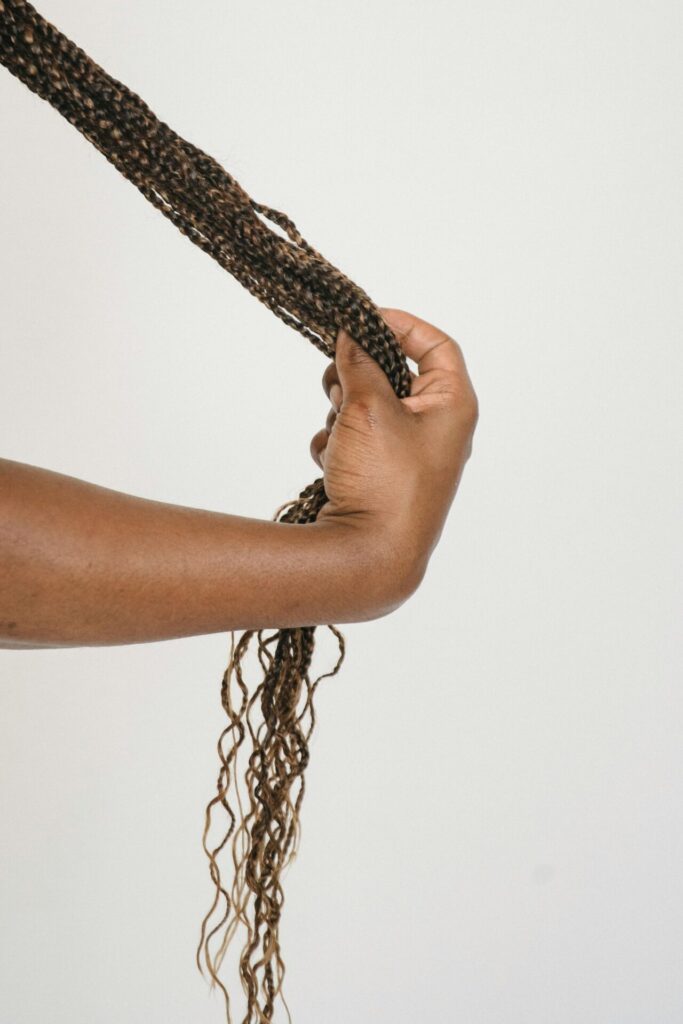
What to do instead: pay attention to what your scalp is actually telling you rather than the calendar. If it feels tight, itchy or oily earlier than usual, wash it. If it's still comfortable and the hair still has movement, leave it another day. The right frequency varies enormously by hair type and isn't the same for everyone, so trust what you're seeing and feeling over a rule you picked up somewhere.
The habit: using dry shampoo as a substitute for washing
Dry shampoo is a genuinely useful product for stretching a style an extra day, but a lot of people have quietly turned it into a permanent replacement for washing rather than an occasional extension. Used constantly, it builds up at the roots along with natural oil and product residue, which can leave the scalp feeling congested and can dull the hair even once you do eventually wash it.
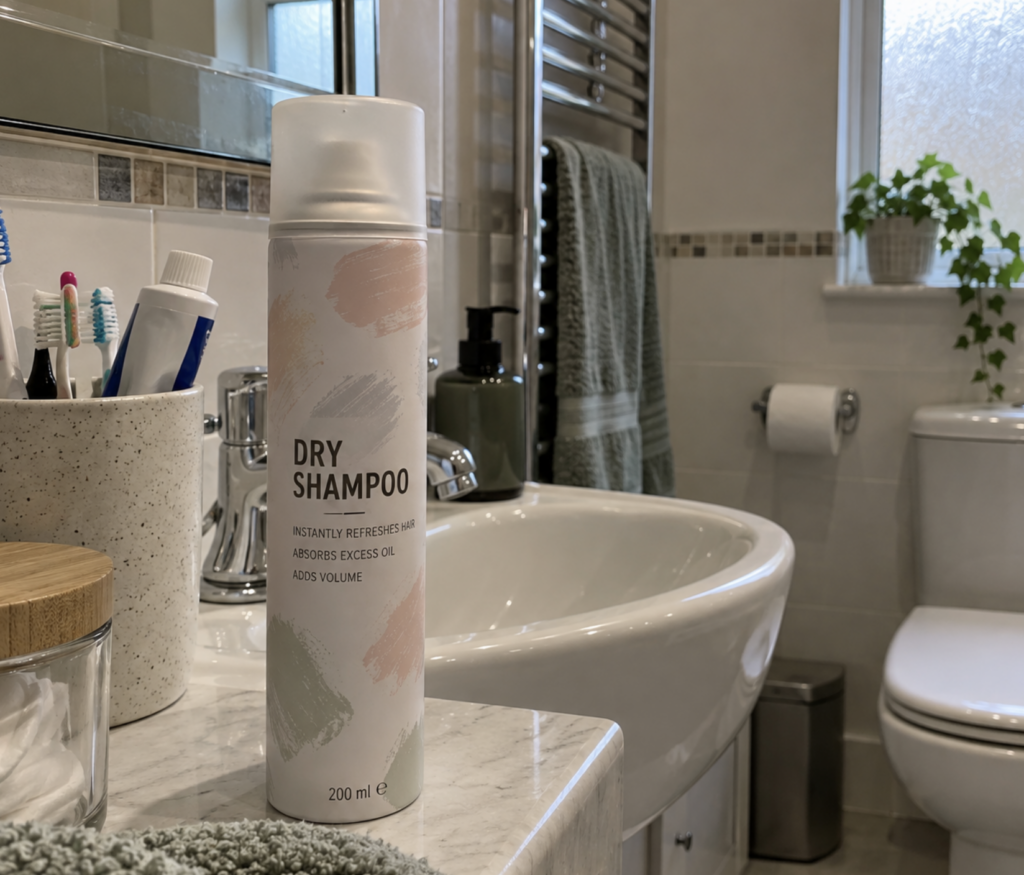
What to do instead: keep dry shampoo for what it's designed for, an occasional stretch when you genuinely don't have time to wash, rather than a daily habit that lets washing slide further and further away. If you notice it's become the norm rather than the exception, that's usually the sign it's time to bring washing back into the rotation properly.
The habit: brushing wet hair with a standard bristle brush
Wet hair is at its most vulnerable, the hair shaft is swollen and stretches more easily, which means it's also far more prone to snapping. Reaching straight for the same bristle brush you'd use on dry hair puts real tension through wet strands and is one of the more common, least noticed causes of breakage.
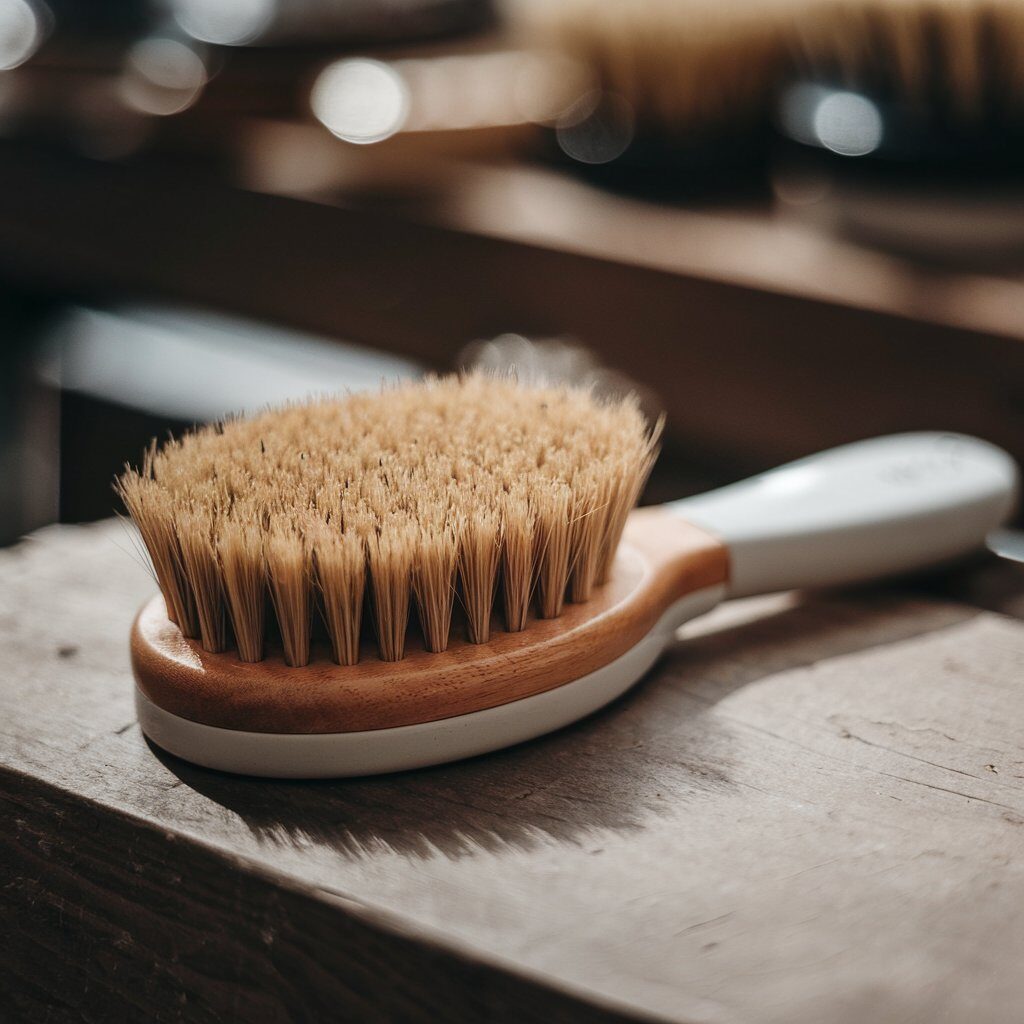
What to do instead: use a wide-tooth comb on wet hair, starting at the ends and working upwards in sections rather than dragging from root to tip. It deals with tangles with far less tension on the hair shaft, and it's a small change that makes a noticeable difference over months rather than overnight.
The habit: rationing conditioner and treatment product
It's an understandable instinct, a good conditioner or mask isn't cheap, so it feels sensible to use it sparingly and make the tub last. Unfortunately the mid-lengths and ends are usually the oldest, most processed and most vulnerable part of the hair, and they're exactly where a light, rationed amount of product does the least good.
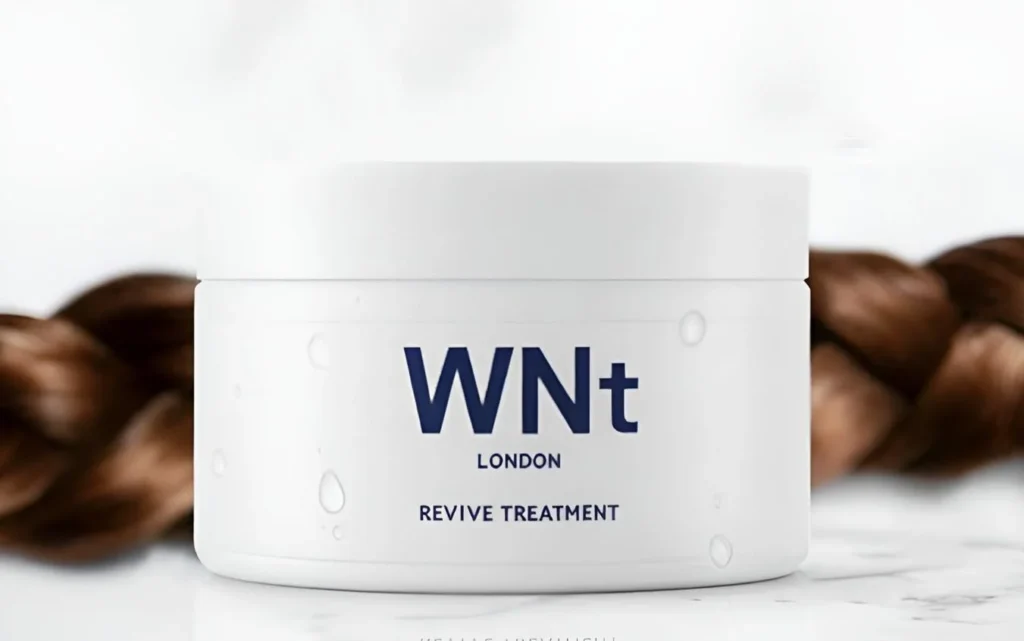
What to do instead: be generous through the mid-lengths and ends specifically, where the hair needs it most, and use a lighter hand near the roots and scalp, where it doesn't. You'll get more visible benefit from a properly saturated application on the parts that need repair than from a thin layer spread across the whole head to eke out the bottle.
The habit: pointing the dryer straight at the scalp
Blow-drying with the nozzle aimed directly at the scalp, and often held in one spot rather than kept moving, delivers concentrated heat to the most heat-sensitive part of the head. It's an easy habit to fall into when you're in a hurry, but it's also one of the more avoidable sources of heat damage and scalp discomfort.

What to do instead: section the hair before you start, and keep the dryer moving constantly rather than parking it in one place, directing the airflow down the hair shaft rather than straight at the roots. It takes a little more method than simply blasting the whole head, but it protects both the scalp and the condition of the hair itself.
The habit: choosing a salon by whichever slot is free
Booking with whoever happens to be available that week feels efficient, but it means no one stylist ever builds up a full picture of your hair's history, its colour record, how it's responded to previous treatments, or what's actually changed since your last visit. Every appointment starts closer to zero.
What to do instead: build a relationship with one stylist who gets to know your hair over time. They'll catch small changes earlier, tailor colour and treatment decisions around what's actually happened to your hair rather than guessing from scratch, and generally get better, more consistent results the longer that relationship runs.
None of these habits are dramatic on their own, but they add up quietly over months and years. If you'd like an honest read on what your own hair actually needs rather than what habit has dictated so far, book a consultation with a stylist at Gusto Hair, Oxford Street or Covent Garden.