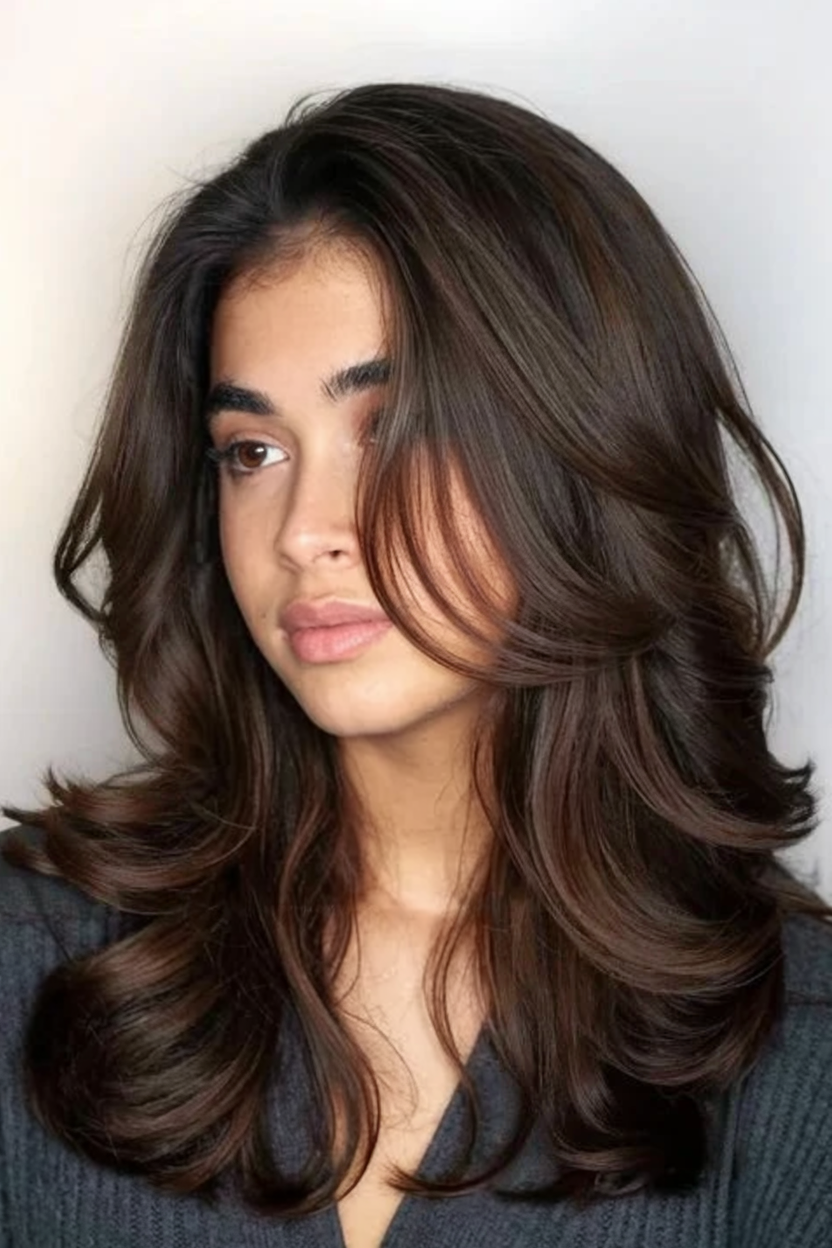
What Are Ribbon Lights? The Softer Highlight Technique Replacing Foils This Autumn
Every few years a colour technique comes along that changes the shape of highlights rather than just the shade of them, and this autumn it's ribbon lights. You'll have seen the name start turning up in seasonal trend round-ups as the look replacing the "90s stripy highlight" — that heavier, more uniform foil pattern that reads as obviously "done" rather than grown. Ribbon lights are the opposite: soft, deliberately placed, and built to look like the sun did it rather than the salon.
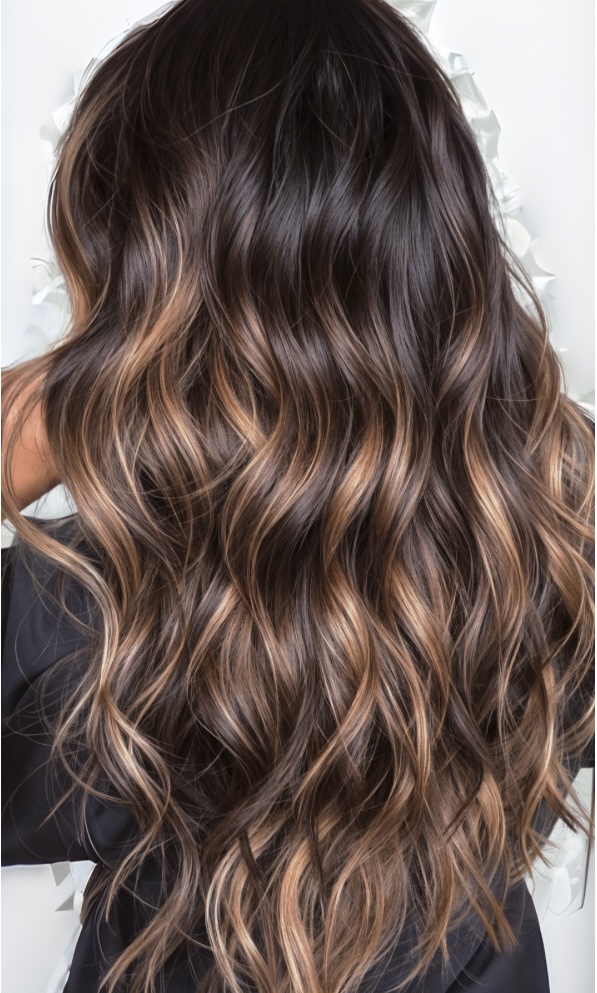
We've been doing versions of this placement for a while under names like Buttercream Blonde, Bombshell Blonde and the La Panthère highlights we've written about before. Ribbon lights is the name that's about to become the search term, so here's what it actually means from a colourist's chair.
What a ribbon light actually is
A ribbon light is a slim, soft-edged ribbon of colour woven through the hair rather than a hard-lined foil section. Where a traditional highlight is sectioned in even, repeating panels — think classic foils, evenly spaced from root to root — a ribbon light is placed irregularly, following the natural fall and movement of the hair rather than a grid. The strands are usually finer than a standard highlight and the placement is concentrated around the face and through the top layers, exactly where light naturally catches when hair moves.
The name comes from the visual effect: rather than distinct stripes, you get soft ribbons of lighter tone that flow through the base colour. It's a placement technique as much as a lightening technique, which is why it reads as so much softer than the highlights most people picture when they hear the word.
How it's different from balayage and traditional highlights
This is the question we get asked most, and it's a fair one — on the surface, "soft, blended, natural-looking" describes half our colour menu.
Versus traditional foil highlights: the difference is density and pattern. Traditional highlights are sectioned methodically and tend to lighten more uniformly through the mid-lengths and ends, which gives a bolder, more graphic result — closer to that "90s stripy" look when overdone. Ribbon lights use fewer, finer sections placed with much more intention, so the lightened pieces sit as accents rather than the dominant tone.
Versus balayage: balayage is a freehand painting technique, applied by hand directly onto the hair with no foil at all, which naturally graduates from dark at the root to light at the ends. Ribbon lights still use foil (or occasionally a fine weave) to isolate the sections, which gives more control over exactly where the lightness sits — including closer to the root, if that's the look you want — rather than balayage's natural root-to-tip fade. Think of balayage as painting with a soft brush, and ribbon lights as threading in fine highlights with real precision about placement.
In short: balayage graduates down the length of the hair, traditional highlights repeat evenly through it, and ribbon lights place a small number of fine, deliberate accents exactly where movement and face-framing matter most.
Who ribbon lights suit
This technique works particularly well on mid-length to long hair with some natural movement or a soft layer cut, since the ribbons need hair that moves to actually catch the light the way they're designed to. It suits both blondes wanting to soften an overly uniform highlight and brunettes wanting the first hint of dimension without committing to a full balayage — the finer sections mean less overall lightening than a traditional highlight service, which also makes it a lower-commitment reintroduction to colour if you've had a break from it.
It's a strong choice if you've had foils before and found the result looked too stripy or too "done" as it grew out — the finer, less uniform placement of ribbon lights tends to grow out more softly, with less obvious demarcation at the root.
What to ask for in the chair
"Ribbon lights" is new enough as a term that it's worth describing the result alongside the name when you book: soft, fine, face-framing highlights with irregular placement rather than an even foil pattern, closer to how balayage looks than how a traditional highlight looks, but using foil for more precision. Bring a reference photo if you have one — placement techniques like this vary a fair amount by colourist, and a photo does more work than the name alone.
Curious whether ribbon lights would suit your base colour and length? Book a consultation at Oxford Street or Covent Garden and one of our colourists will talk you through placement before anything goes near a foil.