Passive Haircare: Silk Pillowcases & Rice Water Rinses
There's a quiet shift happening in haircare, and it's less about what you do and more about what you stop doing to your hair. Call it "passive haircare": small, low-effort changes to your everyday habits that protect hair while you sleep, dry, or simply go about your day. Two ideas keep coming up right now: swapping your pillowcase for silk, and rinsing with rice water. Neither involves a salon appointment, but both are worth understanding properly before you spend money on them.

What Is "Passive Haircare," Exactly?
Most haircare advice asks you to add another step: another product, another treatment, another ten minutes in front of the mirror. Passive haircare flips that. It's about removing sources of everyday damage rather than adding fixes for it afterwards.
Overnight friction from cotton pillowcases, harsh brushing on wet hair, tight ties left in for hours: none of these are dramatic on their own, but they add up over months and years. The appeal of passive haircare is that once the change is made, it keeps working without you having to think about it.
The Silk Pillowcase Effect
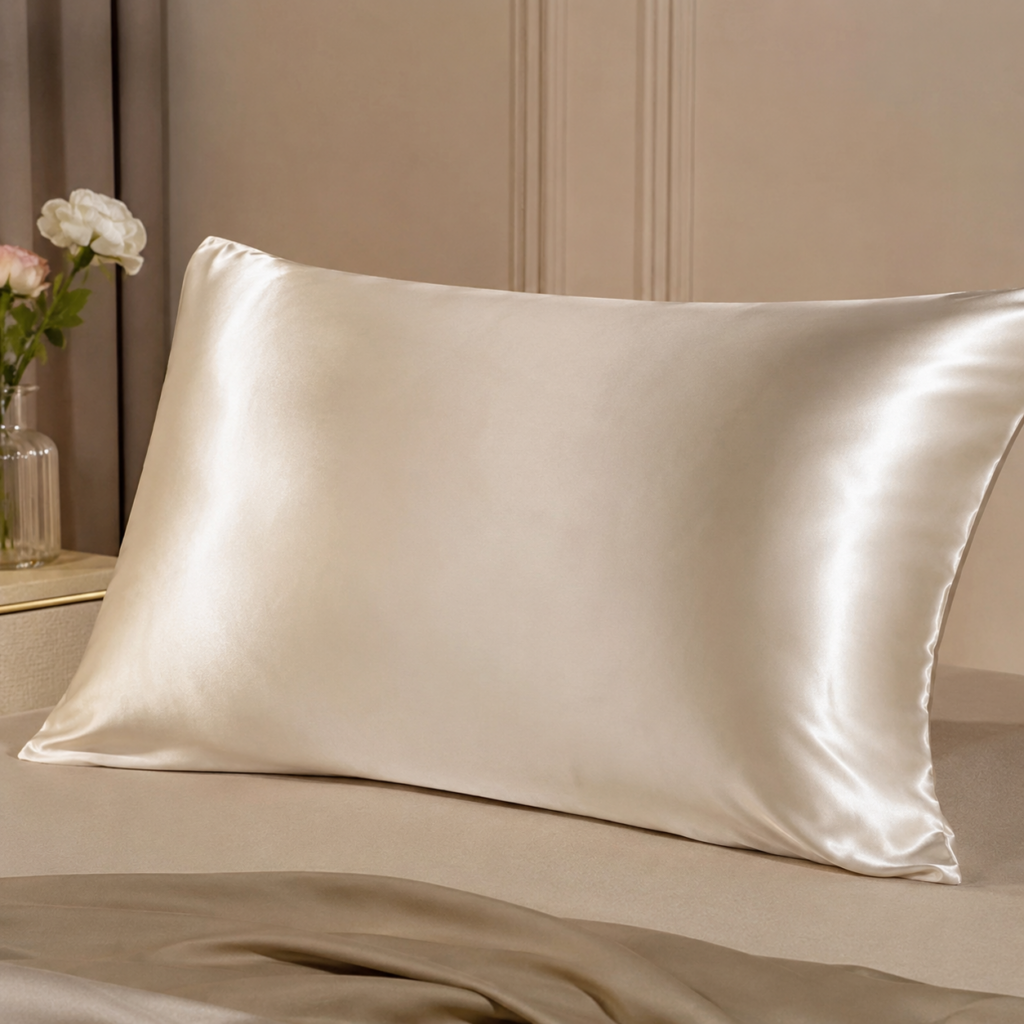
Cotton fibres are relatively rough and absorbent. As you move through the night, hair drags against the fabric, which can rough up the cuticle, encourage tangling, and pull at strands, particularly if you toss and turn. Cotton also draws moisture out of both hair and skin, which is part of why so many skincare accounts recommend silk pillowcases too.
Silk (and satin, its more affordable cousin) is smoother, so hair glides across it instead of catching. Clients with fine or fragile hair, or anyone prone to breakage around the hairline, tend to notice the difference first, less morning frizz, fewer knots, and hair that holds a blow-dry or set overnight for longer.
It's not a cure for damaged hair, but as a low-effort swap that only needs doing once, it's hard to argue with.
Rice Water Rinses: An Old Ritual Goes Viral
Rice water rinsing has genuine history: it's linked to the Red Yao women of Huangluo village in China, whose hair has long been the subject of fascination for its length and shine, and which they attribute in part to fermented rice water rinses passed down through generations.
The version that's gone viral on TikTok is a simplified take: rinsing hair with the starchy water left over from washing or soaking rice, sometimes fermented for extra potency. The claimed benefits are shine, smoothness, and stronger-feeling strands, largely down to the water's natural starch content, which can coat the hair shaft and temporarily smooth the cuticle.
It's worth being clear-eyed about this one. Rice water isn't a miracle growth treatment, and the effect is more cosmetic than structural, closer to a natural, gentle version of the smoothing you'd get from a lightweight leave-in. But used occasionally as a rinse, it's cheap, low-risk, and genuinely rooted in a real tradition rather than a manufactured trend.

Does It Actually Work? What Our Stylists Think
Our stylists' honest take: both habits sit firmly in the "can't hurt, might help" category. A silk pillowcase is the easier win, it protects hair passively every single night with zero ongoing effort, and it does double duty for skin too. Rice water rinsing takes a little more commitment (rinsing, waiting, rinsing again), so it suits people who enjoy a bit of ritual in their routine rather than those looking for a five-minute fix.
Neither replaces a good cut, proper conditioning, or professional colour care, but as low-cost habits that support what you're already doing in the salon, they're worth trying.
Building Your Own Passive Haircare Routine
If you want to experiment, start with the pillowcase since it's a one-off purchase and needs no routine to remember. Add a rice water rinse every week or two once you've settled into that, and pay attention to how your hair responds rather than following a fixed schedule.

And if you want a professional read on what your hair actually needs beyond the trends, that's exactly what a Gusto consultation is for.
Book at Oxford Street | Book at Covent Garden