Why Your Blow-Dry Drops By Lunchtime
You leave the salon on Saturday morning with hair that moves properly. Big at the root, smooth through the lengths, ends that curve under instead of splaying out. By one o'clock it has gone quiet. Flat at the crown, slightly heavy, no bounce. You have not been out in the rain. You have not touched it. It just dropped.
This happens to a lot of people and almost none of them ask about it, because it feels like a complaint about their own hair rather than a fair question. It is a fair question. Here is what is actually going on, and what we do differently at Gusto to stop it.
It is almost never your hair being "difficult"
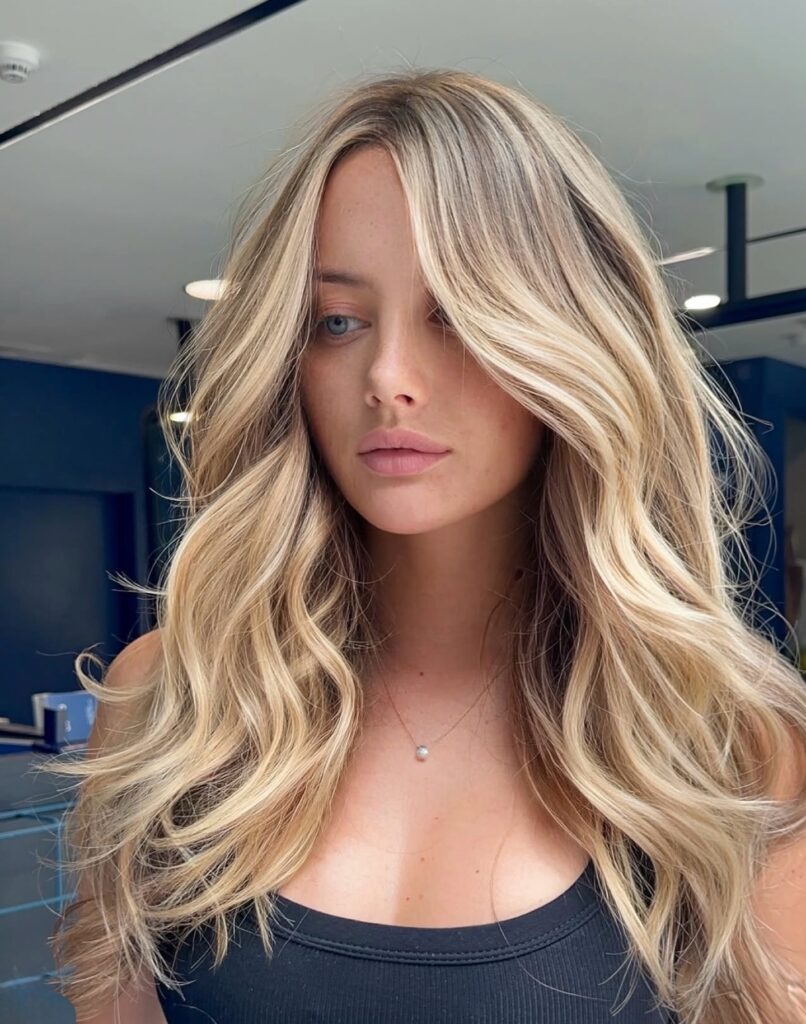
Hair holds a shape because of hydrogen bonds. Heat and water break them, and they reset as the hair cools. That is the entire mechanism. A blow-dry is not glue, it is a temporary reset of the internal structure, and it lasts exactly as long as those bonds stay undisturbed by moisture.
Which means the two things that kill a blow-dry are moisture and movement, and the most common source of both is hair that was still slightly damp when it left the dryer. Not visibly wet. Just not quite finished. That residual water sits in the cortex and slowly releases the shape over the next few hours, which is why the drop feels gradual rather than sudden.
Fine hair drops faster because there is less mass to hold the shape. Thick hair drops in a different way, sinking at the root while the ends stay put. Neither is a flaw. They are just different amounts of structure to work with.
The stage almost everyone rushes at home
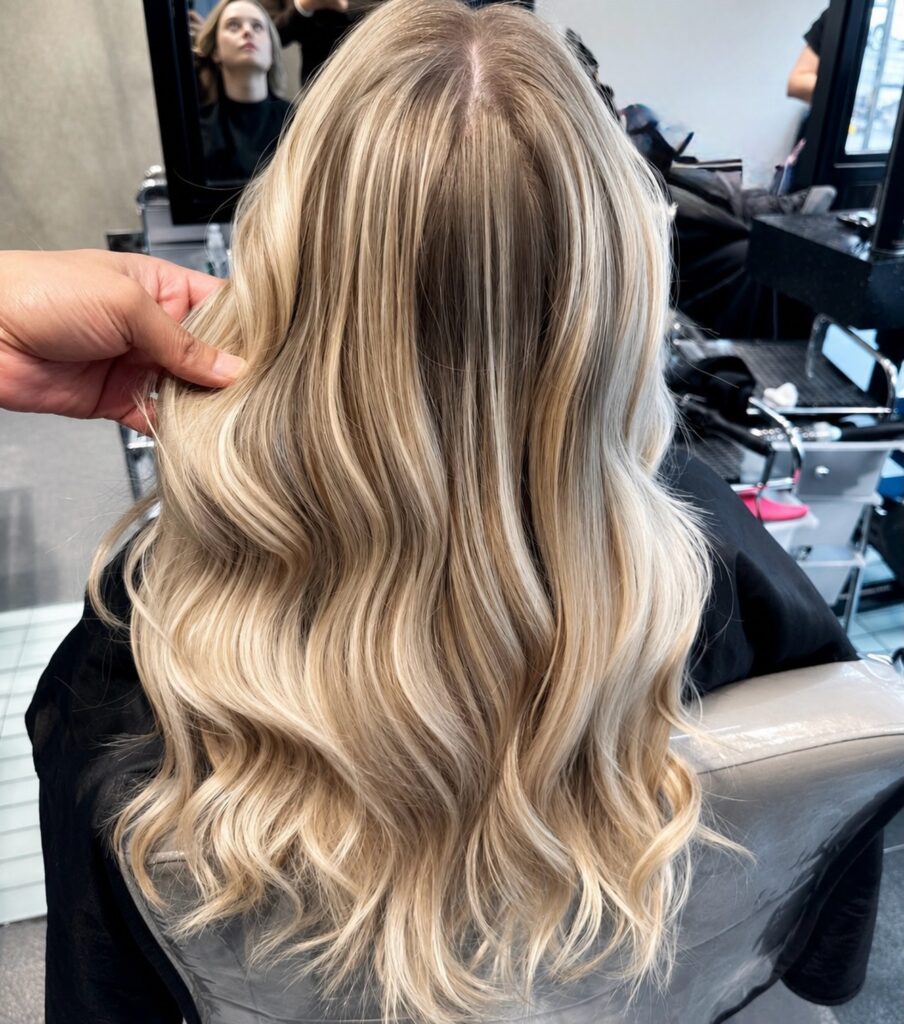
Most home blow-dries go wrong at the beginning, not the end. Hair goes on the round brush far too early, while it is still properly wet, so the brush is doing shaping work on hair that is not ready to take a shape. You end up spending fifteen minutes rotating a brush through hair that is simply drying in whatever position it happens to be in.
The fix is unglamorous. Rough-dry to about eighty per cent first, with your fingers or a nozzle, pushing the roots in the opposite direction to how the hair falls. Only then pick up the brush. You will spend less total time on it and the shape will hold, because every second on the brush is now going into forming the bond rather than removing water.
The other rushed stage is the end. Hair needs to cool completely in the shape before it is touched, brushed or tied. Warm hair is still soft hair. If you brush it out while it is warm you have undone the section you just set.
Why a salon blow-dry holds and yours does not
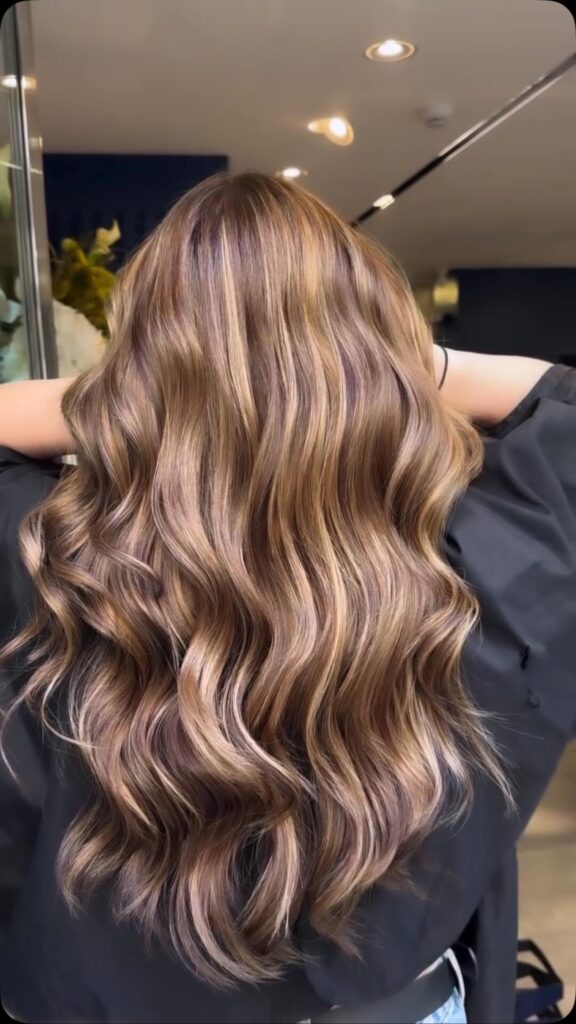
Partly it is tension. A stylist keeps consistent, quite firm tension on the brush and dries each section fully before moving on, which is difficult to do on yourself with one arm behind your head. Partly it is sectioning, which is boring and which almost nobody does properly at home.
But the biggest difference is the finish. Every section gets a cold shot before it leaves the brush, and at Gusto most blow-dries get pin-curled or clipped at the root and left to cool fully before anything is brushed through. That cooling stage is where the hold actually comes from. It is also the stage that gets skipped in every rushed morning in London.
Product choice matters less than people think, with one exception. Anything heavy applied to the roots of fine hair will drag the volume out within two hours regardless of how well it was dried. Lightweight mousse at the root, oil or cream only from the mid-lengths down.
The gloss upgrade that buys you extra days
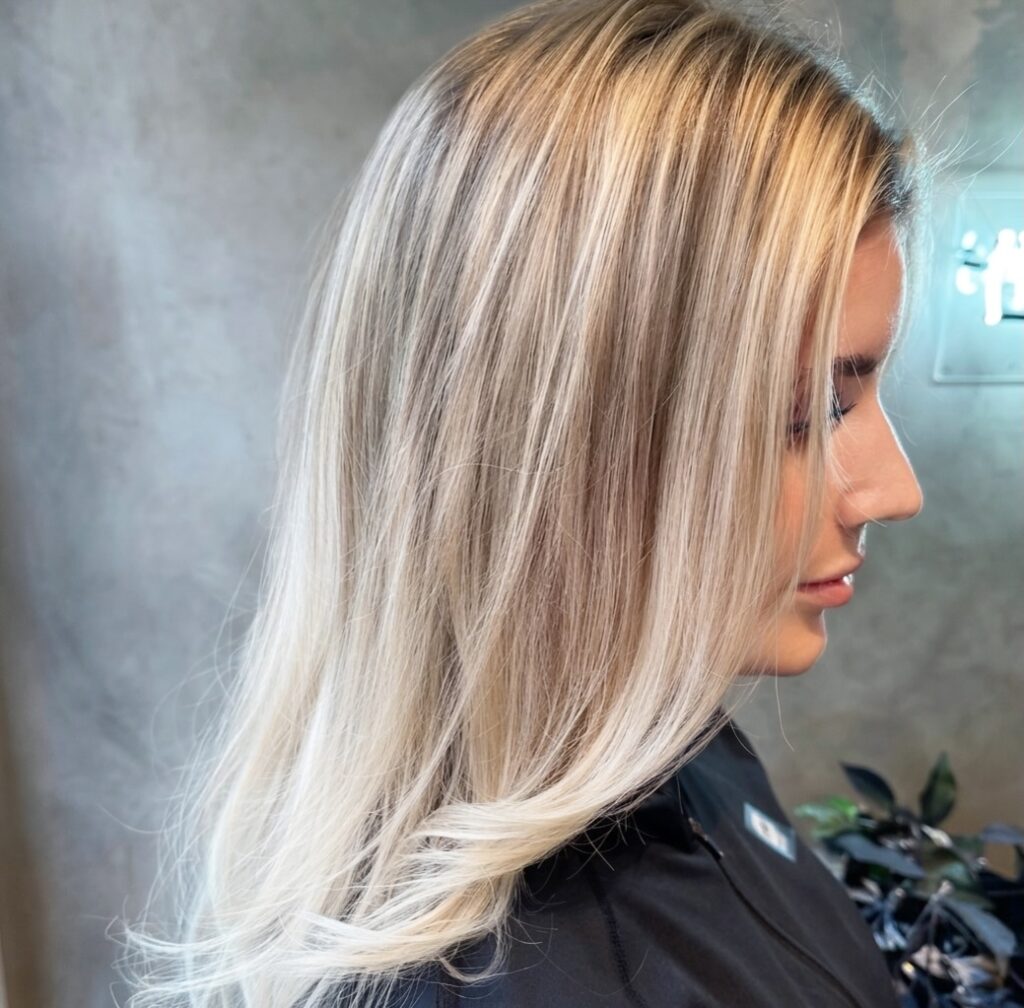
If your blow-dry looks good on day one and dull by day two, the problem is usually the surface of the hair rather than the drying. A raised, porous cuticle scatters light instead of reflecting it, grabs moisture out of the air, and roughs up faster against your pillow. Colour-treated and heat-styled hair drifts this way over a few months without anything dramatic happening.
A gloss sits on that surface, seals the cuticle down, and adds a small amount of tone. Hair reflects light in one direction instead of several, which is the whole difference between shiny and merely clean. It also means the next few blow-dries run smoother and quicker, because the brush is not fighting a rough surface.
Booked together, a blow-dry and gloss takes about half an hour longer than a blow-dry alone and tends to hold a full day or two longer. It is the single most useful add-on we sell, and it is the one people are least likely to know exists.
Getting a third day out of it
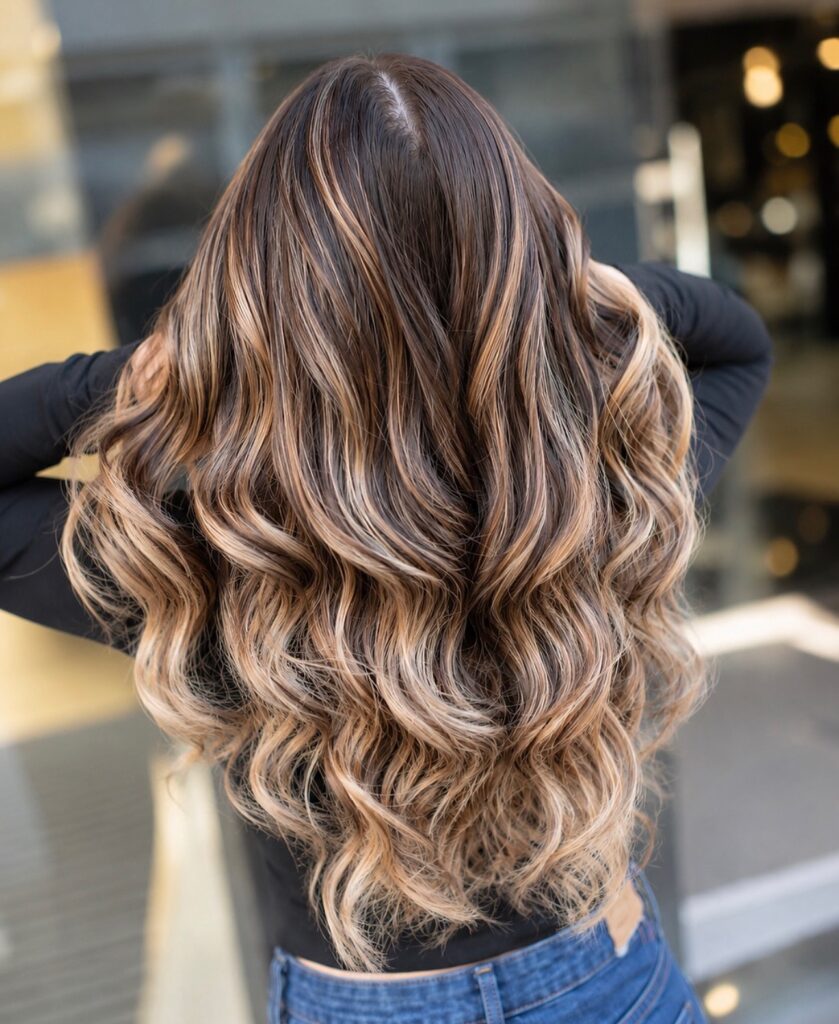
Silk pillowcase, and hair loosely up rather than down, in a soft coil rather than a tight band. Dry shampoo goes in on the night of day one, before there is anything to fix, not on the morning of day two when the root has already collapsed.
Do not touch it. Hands transfer oil and break up the shape, and the more a blow-dry drops the more people touch it, which speeds up the drop. And keep it out of steam. A ten minute shower with no cap undoes a good deal of careful work.
If your hair drops by lunchtime every single time, come in and let us look at it properly. Sometimes it is the drying technique, sometimes it is a cut carrying too much weight at the ends, and sometimes it is a cuticle that needs a gloss before any blow-dry is going to sit well. It is usually fixable in one appointment.
Book a blow-dry at either salon, and ask about adding a gloss when you do. Book at Oxford Street | Book at Covent Garden